check

check

check

check

check

check
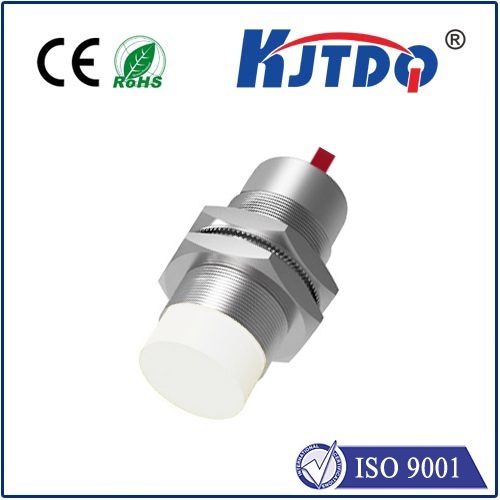
In today's highly automated industrial landscape, reliable and accurate sensing technology is the cornerstone of operational efficiency and safety. Among the critical components enabling this reliability is the BD3-P1-M14 High Pressure Proximity Sensor. This device represents a significant advancement in non-contact detection, specifically engineered to perform with unwavering precision in environments where extreme pressure is a constant factor. Unlike standard sensors that may falter under stress, the BD3-P1-M14 is built to deliver consistent performance, making it an indispensable tool for sectors such as hydraulic systems, heavy machinery, and high-pressure manufacturing processes.
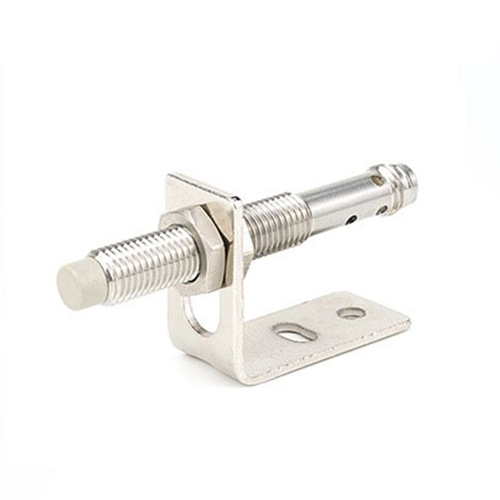
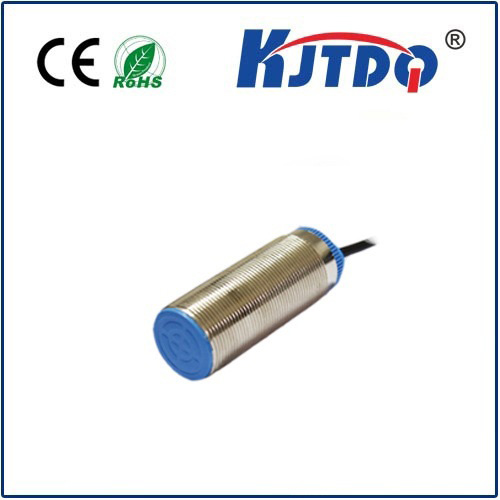
The core functionality of the BD3-P1-M14 sensor lies in its ability to detect the presence or absence of a metallic target without any physical contact. This non-contact operation is crucial in high-pressure scenarios, as it eliminates mechanical wear and tear, thereby extending the sensor's lifespan and reducing maintenance downtime. The sensor's M14 threaded housing is a key feature, providing a robust and secure installation that can withstand significant vibrational forces and pressure fluctuations common in industrial settings. This rugged design ensures that the sensor remains firmly in place, maintaining accurate alignment and detection capabilities even in the most challenging conditions.
One of the standout attributes of the BD3-P1-M14 is its exceptional pressure rating. Engineered with specialized seals and constructed from high-grade materials, the sensor can operate reliably in environments where pressure levels would compromise lesser devices. This resilience makes it particularly suitable for integration into hydraulic cylinders, press machines, and fluid power systems, where it can monitor piston position, detect end-of-stroke, or act as a critical safety interlock. The sensor's output is typically a clean, switch-like signal, easily interfaced with programmable logic controllers (PLCs) and other industrial automation systems for seamless process control.
Furthermore, the sensing range and repeatability of the BD3-P1-M14 are calibrated for high precision. Manufacturers understand that in high-stakes industrial applications, a millimeter's discrepancy can lead to product defects or system failures. Therefore, this sensor is designed to offer a stable sensing distance with minimal deviation, ensuring that every detection event is accurate and repeatable. This level of consistency is vital for maintaining quality control, optimizing cycle times, and preventing costly production errors.
When selecting a proximity sensor for high-pressure duties, environmental resistance is a paramount concern. The BD3-P1-M14 often comes with ingress protection ratings such as IP67, meaning it is fully protected against dust and can withstand temporary immersion in water. This protection, combined with its pressure tolerance, allows it to perform in wet, oily, or dusty industrial environments without degradation in performance. Its durability translates directly into long-term cost savings, as it reduces the frequency of sensor replacement and associated labor costs.
Installation and integration of the BD3-P1-M14 are straightforward, thanks to its standardized M14 form factor and common electrical connections. This compatibility allows for easy retrofitting into existing machinery or incorporation into new system designs. Maintenance requirements are minimal, primarily involving periodic checks for physical damage or buildup of contaminants that might affect the sensing face.
In conclusion, the BD3-P1-M14 High Pressure Proximity Sensor stands as a testament to focused engineering for demanding applications. It provides a robust, reliable, and precise solution for non-contact detection where high pressure is a defining environmental condition. By ensuring accurate operation, enhancing system safety, and contributing to overall equipment effectiveness, this sensor is a critical component for industries aiming to achieve peak operational performance and reliability. Its design specifically addresses the rigors of high-pressure environments, offering peace of mind to engineers and plant managers who depend on flawless sensor performance day in and day out.