check

check

check
check
check
check
check
check

check

check
In the world of industrial automation and process control, the ability to detect objects or monitor positions reliably under extreme conditions is not just a convenience—it's a critical necessity. This is where specialized components like the KGG12P2BDC high-pressure proximity sensor come into play, offering a robust solution for applications where standard sensors would fail. Designed to operate seamlessly in environments with elevated pressure levels, this sensor represents a significant advancement in detection technology, ensuring operational continuity and safety in sectors ranging from hydraulic systems and heavy machinery to offshore drilling and high-pressure manufacturing processes.
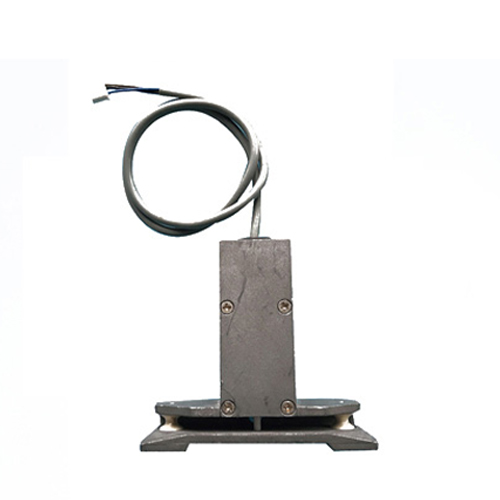
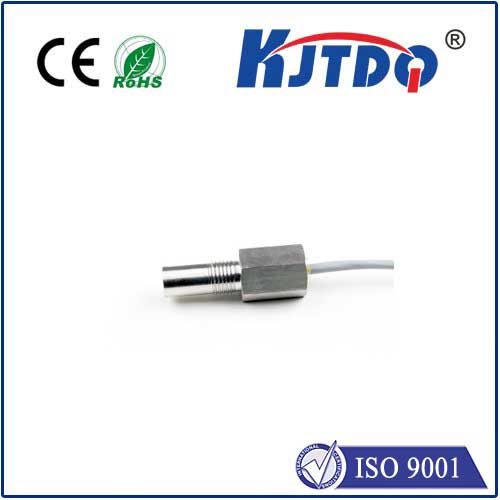
The core functionality of the KGG12P2BDC revolves around its inductive sensing principle. It generates an electromagnetic field and detects changes caused by the presence of a metallic target. What sets the "high-pressure" variant apart is its meticulously engineered housing and sealing. The sensor is constructed to withstand external pressures that could compromise the integrity of standard housings, preventing ingress of media and ensuring the internal electronics remain protected. This robust construction often involves stainless steel casings, specialized diaphragm designs, and high-grade sealing technologies that can endure the physical stresses of pressurized environments without a loss in sensing performance or accuracy.
One of the primary advantages of utilizing a sensor like the KGG12P2BDC is its contribution to system reliability and reduced maintenance. In hydraulic cylinders, for instance, it can accurately detect piston position even when the internal fluid pressure is exceptionally high. This precise feedback is crucial for controlling cylinder stroke, preventing over-extension or retraction, and enabling sophisticated sequential operations. Without a sensor rated for such conditions, failures are common, leading to unplanned downtime, potential damage to machinery, and safety hazards. The sensor's durability translates directly into higher overall equipment effectiveness (OEE) and lower total cost of ownership.
Installation and integration of the KGG12P2BDC are streamlined for industrial use. It typically features a compact, cylindrical design with standard mounting threads, such as M12 or M18, allowing for easy integration into existing machine ports or specially designed high-pressure cavities. The "BDC" suffix often indicates specific electrical characteristics, such as a PNP normally open (NO) switching output, which is a common configuration compatible with programmable logic controllers (PLCs) and standard industrial DC voltage supplies (e.g., 10-30V DC). This plug-and-play compatibility minimizes engineering time and simplifies wiring.
When selecting a high-pressure proximity sensor, several key specifications beyond just pressure rating demand attention. These include the sensing distance, which must be precise and stable regardless of ambient pressure; the operating temperature range to ensure functionality in hot or cold processes; the housing material's resistance to corrosion from oils, coolants, or seawater; and the sensor's response time for high-speed applications. The KGG12P2BDC is engineered to meet stringent benchmarks in these areas, providing a balanced performance profile tailored for harsh industrial duty cycles.
Beyond traditional manufacturing, applications for this sensor technology are vast. In the energy sector, they monitor valve positions in high-pressure oil and gas pipelines. In test stands for automotive or aerospace components, they provide critical feedback during pressure endurance tests. In marine technology, they function reliably at depth. The common thread is the need for a detection device that does not represent the weak link in a system operating under substantial physical stress.
In conclusion, the integration of a purpose-built component like the KGG12P2BDC high-pressure proximity sensor is a strategic decision for engineers and system designers. It moves beyond basic detection to become an enabler of resilience, precision, and safety in applications where environmental pressure is a dominant factor. By ensuring accurate and fail-safe operation where it matters most, this sensor technology underpins the reliability of modern industrial systems, safeguarding both productivity and capital investment against the challenges posed by demanding operational conditions.