check

check

check

check

check

check
In the relentless world of industrial automation, where machinery operates under extreme pressures and within tight tolerances, the reliability of every component is non-negotiable. Sensor failure in a high-pressure environment isn't just an inconvenience; it can lead to catastrophic downtime, safety hazards, and significant financial loss. This is where specialized sensing technology, exemplified by the KGG20H2BUC High Pressure Proximity Sensor, becomes the critical backbone of modern manufacturing, processing, and heavy machinery operations. Unlike standard inductive sensors, this device is engineered from the ground up to perform with unwavering accuracy and durability where pressures soar.
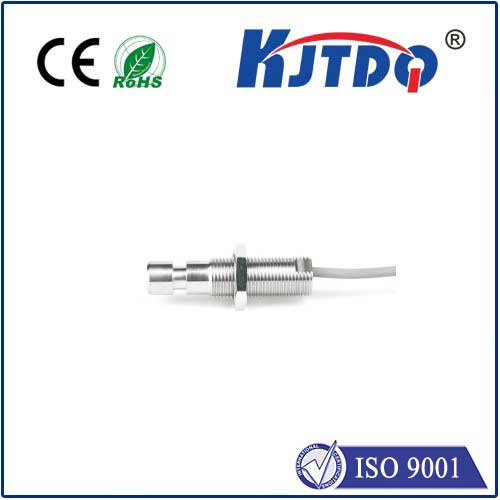
The core challenge in high-pressure applications—such as hydraulic systems, die-casting machines, plastic injection molding, offshore equipment, and high-pressure test stands—is the immense physical stress exerted on equipment housings. A standard sensor's housing might deform or allow minute ingress under sustained high pressure, compromising its internal electronics and sensing capabilities. The KGG20H2BUC addresses this fundamental issue head-on. Its defining characteristic is a housing and sensing face constructed from high-grade, corrosion-resistant stainless steel, specifically designed to withstand continuous exposure to extreme external pressures. This robust construction ensures that the sensor's critical internal components—the oscillator, trigger circuit, and output amplifier—remain perfectly shielded and isolated from the external environment, guaranteeing signal stability.
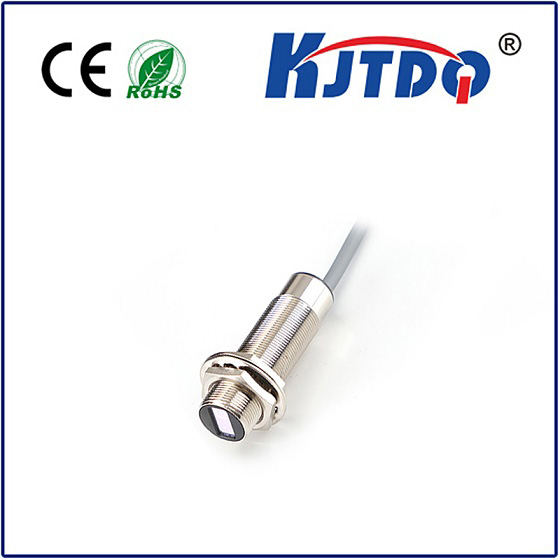
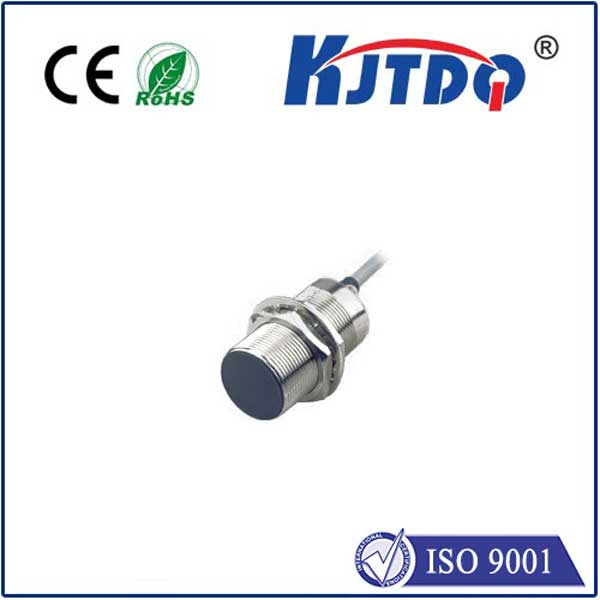
Beyond mere pressure resistance, the KGG20H2BUC incorporates advanced inductive sensing technology. It generates an electromagnetic field at its active face, capable of detecting the presence of metallic target objects without any physical contact. This non-contact operation is vital in high-pressure zones, as it eliminates mechanical wear and tear, leading to a dramatically extended service life even in the most punishing cycles. The sensor is typically designed to be flush-mountable, meaning it can be installed directly into a metal bracket or machine frame without the need for a large clearance zone behind it. This compact and rugged design simplifies installation in space-constrained, high-pressure cavities.
The operational benefits for engineers and plant managers are substantial. First and foremost is enhanced system reliability. By deploying a sensor specifically rated for high-pressure environments, the frequency of unplanned stops due to sensor failure plummets. This translates directly into increased Overall Equipment Effectiveness (OEE) and higher production throughput. Secondly, it bolsters safety. Reliable detection in critical control loops—for example, confirming the position of a hydraulic piston or the closure of a high-pressure valve—is paramount for preventing dangerous malfunctions. The KGG20H2BUC provides that essential, trustworthy signal.
Furthermore, its durability reduces total cost of ownership. While the initial investment may be higher than a standard sensor, the long-term savings are clear: drastically reduced replacement costs, lower maintenance labor hours, and avoidance of production losses from downtime. These sensors are built to endure not just pressure, but also common industrial nuisances like cutting fluids, lubricants, and metallic dust, making them a versatile choice for challenging workshops.
When integrating the KGG20H2BUC or similar high-pressure proximity sensors, several best practices ensure optimal performance. Correct mounting is crucial; the sensor must be securely fastened to the specified torque to maintain its pressure seal. The selection of the target material and its permissible distance (the sensing range) must adhere to the sensor's specifications. For instance, the sensor's response is calibrated for specific metals like mild steel. Regular functional checks, as part of a preventive maintenance schedule, help verify performance long before any potential drift occurs.
In conclusion, in sectors where pressure is a constant and formidable factor, compromising on sensor quality is a risk no operation can afford. The KGG20H2BUC High Pressure Proximity Sensor represents a focused engineering solution, delivering the resilience, accuracy, and dependability required to keep critical processes running smoothly and safely. It moves beyond being a simple component to becoming a strategic asset for ensuring operational continuity, protecting capital equipment, and safeguarding personnel in the most demanding industrial environments on the planet.