check

check

check

check

check

check
In the demanding world of industrial automation, where machinery operates under extreme pressures and in unforgiving conditions, sensor reliability is not just a preference—it's an absolute necessity. Downtime caused by sensor failure can lead to catastrophic production losses and safety hazards. This is where the KGG20H3BN High Pressure Proximity Sensor steps in, engineered specifically to defy the challenges of high-pressure applications and deliver unwavering performance where others falter.
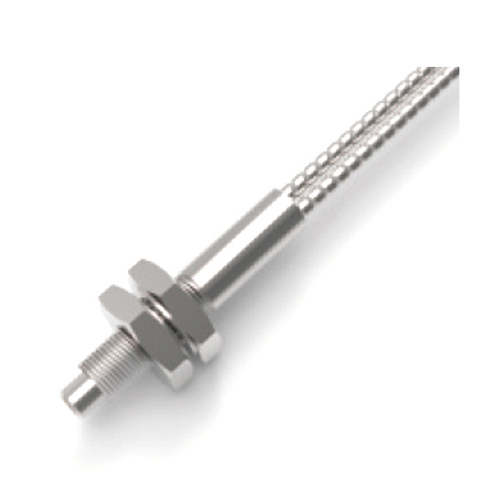
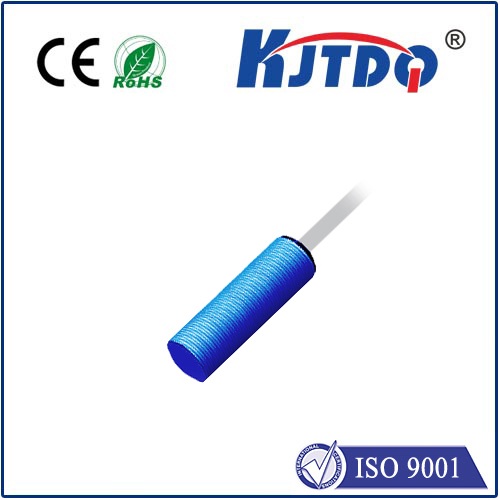
The core challenge in high-pressure environments, such as hydraulic systems, die-casting machines, plastic injection molding, and heavy-duty press lines, is the immense physical stress exerted on equipment. Standard inductive proximity sensors often succumb to housing deformation, seal failure, or internal component damage when subjected to sustained pressures exceeding several hundred bar. The KGG20H3BN is built from the ground up to address this. Its defining feature is a housing constructed from high-grade, pressure-resistant stainless steel, capable of withstanding continuous operational pressures that would compromise conventional sensors. This robust construction ensures the internal sensing coil and electronics remain perfectly isolated and protected, guaranteeing signal stability and longevity.
Beyond its formidable pressure rating, the KGG20H3BN excels in detection performance. Utilizing a high-frequency oscillation principle, it offers non-contact detection of metallic targets, eliminating mechanical wear and tear. Its sensing distance is precise and repeatable, providing accurate position feedback for pistons, cylinders, or valves within pressurized chambers. The sensor is designed to maintain this accuracy despite fluctuations in pressure, temperature, or the presence of contaminants like oil, coolant, or metallic particles. This resilience translates directly to fewer false triggers, reduced maintenance intervals, and enhanced overall system reliability.
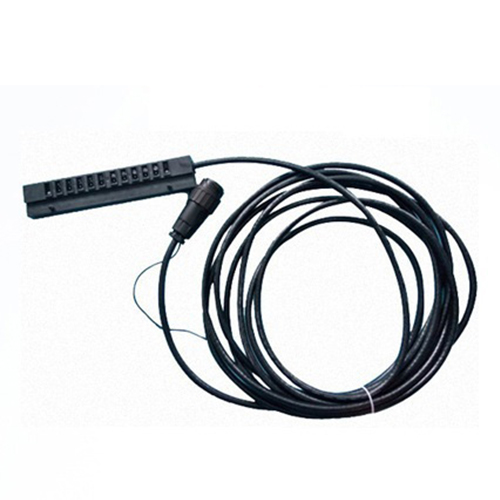
Installation and integration are streamlined for efficiency. The sensor typically features a compact, cylindrical design with robust M12 or M18 threaded barrels, allowing for secure mounting directly into high-pressure ports or manifolds. Many models come with IP67, IP68, or even IP69K ingress protection ratings, making them impervious to high-pressure washdowns, dust, and submersion. Electrical connectivity is simplified with industry-standard quick-disconnect cables or integral cable versions, ensuring easy replacement and connection to PLCs or control systems. This plug-and-play philosophy minimizes installation time and complexity.
The operational benefits of deploying the KGG20H3BN are substantial. For plant managers and engineers, it means achieving higher Overall Equipment Effectiveness (OEE) by preventing unplanned stops. Its durability reduces the total cost of ownership by slashing replacement part inventories and labor costs associated with frequent sensor swaps. In safety-critical applications, its reliable performance is paramount, ensuring machines operate only when components are in their verified, correct positions, thereby protecting both personnel and capital equipment.
Consider its application in a large hydraulic press. Here, the sensor monitors the position of the main ram under extreme pressure. Its failure could lead to an uncontrolled movement or a cycle initiation error, potentially causing severe damage to the tooling or the press itself. The KGG20H3BN provides the robust and trustworthy signal needed for precise control. Similarly, in offshore oil and gas equipment or mining machinery, where pressures are high and environmental conditions are brutal, this sensor delivers the dependable operation required for remote and hazardous locations.
When selecting a sensor for high-pressure duties, specifications are critical. Key parameters to verify include the maximum permissible operating pressure (often specified in bar or psi), the sensing distance, the housing material, the protection rating, and the operating temperature range. The KGG20H3BN series is explicitly characterized for these conditions, providing clear data that allows engineers to make confident selection decisions without guesswork.
In conclusion, the KGG20H3BN High Pressure Proximity Sensor represents a specialized tool for a specialized challenge. It is more than just a sensor; it is a reliability component engineered for the most punishing corners of industrial automation. By choosing a sensor built to endure specific environmental stresses like extreme pressure, facilities can build more resilient, productive, and safe operations. For systems where pressure is a constant factor, opting for the proven robustness of the KGG20H3BN is a strategic decision that pays dividends in continuous, trouble-free performance.