check

check

check

check

check

check
In the relentless world of industrial automation, where machinery operates under extreme pressures and within tight tolerances, the reliability of every component is non-negotiable. Sensor failure in a high-pressure environment isn't just an inconvenience; it can lead to catastrophic downtime, safety hazards, and significant financial loss. This is where precision engineering meets rugged durability. The M9H203 High Pressure Proximity Sensor emerges as a critical component designed specifically to thrive where others falter.
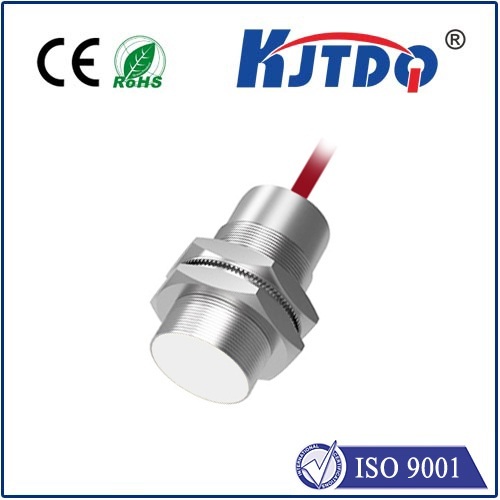
Traditional inductive or capacitive sensors often reach their limits when confronted with the dual challenges of immense hydraulic or pneumatic system pressures and the need for precise, non-contact detection. Metal shavings, fluid contaminants, and constant mechanical stress create a hostile operating environment. The M9H203 is engineered from the ground up to address these exact pain points. Its core design philosophy revolves withstanding sustained high-pressure exposure without compromising its sensing accuracy or structural integrity. The housing is typically constructed from high-grade stainless steel, offering exceptional resistance to corrosion and physical impact. This robust exterior shields sensitive internal electronics, ensuring signal stability and long-term performance.
The operational principle of the M9H203 leverages advanced inductive technology, optimized for detection in pressurized systems. It reliably detects the presence of ferrous metal targets—such as piston rods, valve spools, or actuator positions—through thick, pressurized fluid lines or heavy-duty metal housings. A key differentiator is its exceptional pressure rating, often capable of operating continuously in environments exceeding several hundred bar. This makes it an indispensable tool in hydraulic power units, injection molding machines, heavy-duty presses, and offshore drilling equipment. Engineers can now monitor critical cylinder end-positions, valve actuation, or safety interlock conditions with unwavering confidence, even as system pressures fluctuate dramatically.
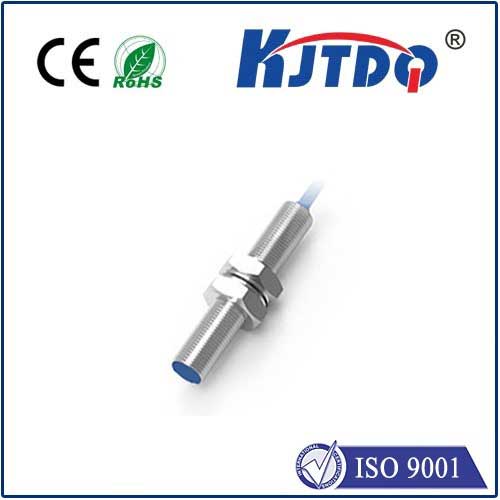
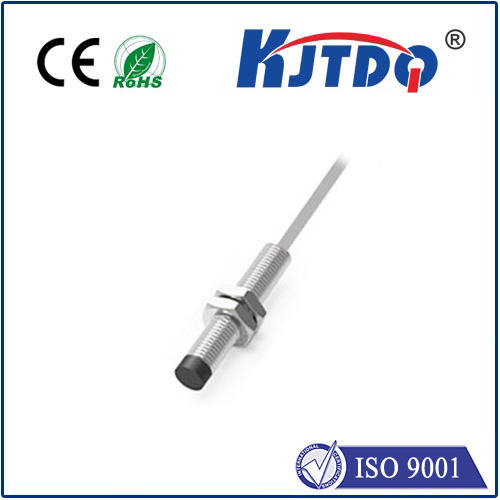
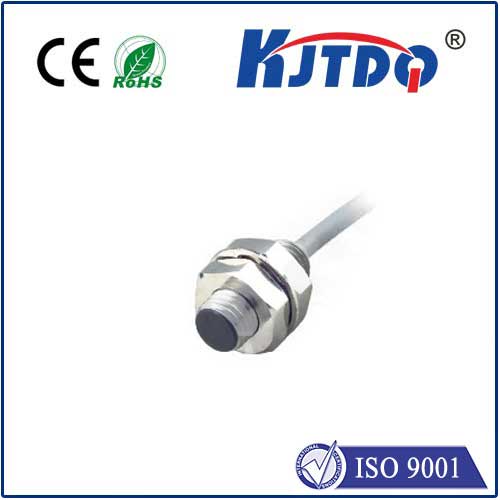
Installation and integration are streamlined for efficiency. The M9H203 often features a compact, cylindrical form factor with standard mounting threads, allowing for direct integration into existing machine ports or manifolds. Its electrical connectivity is designed for industrial networks, providing clear, binary switching signals or analog outputs compatible with standard PLCs (Programmable Logic Controllers). This plug-and-play capability significantly reduces commissioning time and complexity. Furthermore, many models incorporate LED status indicators for immediate visual confirmation of operation and target detection, a simple yet vital feature for maintenance personnel troubleshooting on the factory floor.
Beyond mere detection, the sensor contributes substantially to predictive maintenance strategies. Its consistent and reliable output allows control systems to monitor cycle times and machine sequences accurately. Any deviation from the norm—a delayed signal, for instance—can serve as an early warning for potential issues like pump wear, fluid viscosity changes, or seal degradation. This proactive approach to maintenance, enabled by a sensor built for reliability, transforms unplanned stoppages into scheduled, manageable service intervals, maximizing overall equipment effectiveness (OEE).
The application spectrum for the M9H203 is vast. In the automotive industry, it ensures precise control in high-pressure die-casting and stamping presses. In the energy sector, it monitors critical valve positions in oil and gas extraction systems. Within the realm of industrial hydraulics, it is the go-to choice for verifying the position of cylinders in steel mills or plastic injection machines. Anywhere that combines the need for robust, non-contact sensing with exposure to high-pressure fluids or demanding mechanical environments is a potential use case.
Selecting the right high-pressure sensor requires careful consideration. Factors such as the specific pressure range, required sensing distance, temperature extremes, fluid compatibility, and electrical output type must all align with the application's demands. The M9H203 series typically offers variants to meet these diverse needs, providing a tailored solution rather than a one-size-fits-all component. Consulting with technical specialists or thoroughly reviewing the sensor's datasheet is crucial to ensure optimal performance and longevity.
In conclusion, the M9H203 High Pressure Proximity Sensor represents more than just a component; it is an engineering solution for reliability in extreme conditions. By delivering unwavering accuracy under high pressure, it safeguards processes, enhances safety, and boosts productivity. For system designers and maintenance engineers seeking to eliminate a key point of failure in their most demanding applications, integrating the M9H203 is a strategic decision towards achieving greater operational resilience and cost-efficiency. It stands as a testament to how targeted sensor technology can solve fundamental industrial challenges.