check

check

check

check

check

check
In industrial automation and process control, the ability to accurately detect the presence or position of an object under extreme conditions is not just a convenience—it's a critical requirement for safety, efficiency, and operational continuity. This is where specialized components like the KGG20H42NC High Pressure Proximity Sensor come into play, engineered to deliver unwavering performance where standard sensors would fail. This guide delves into the core features, applications, and technical advantages of this robust sensing solution.
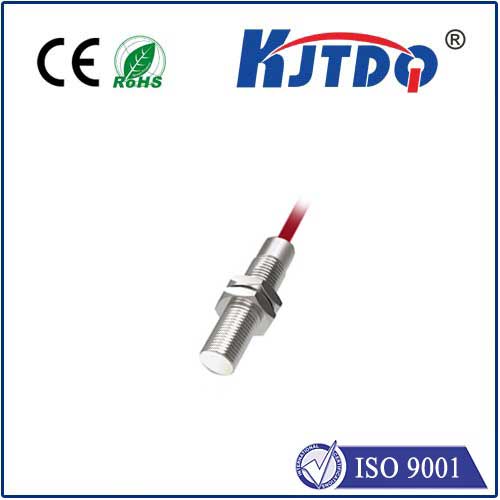
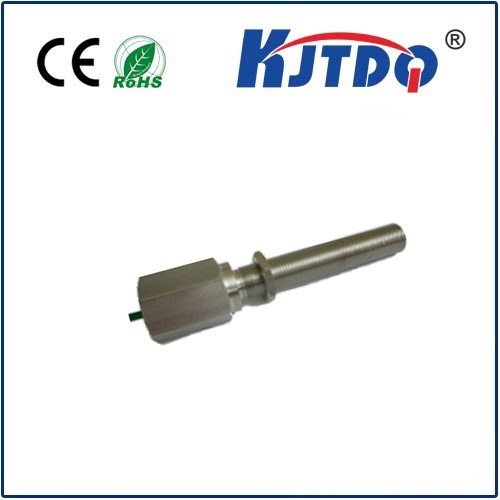
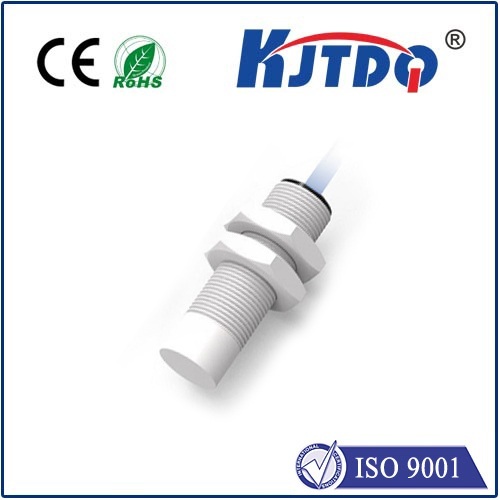
The KGG20H42NC is fundamentally an inductive proximity sensor designed to operate reliably in environments with exceptionally high ambient pressure. Unlike standard sensors that might malfunction or suffer damage under such stress, the KGG20H42NC is built with a hermetically sealed housing capable of withstanding significant external pressure. This makes it an indispensable tool in industries like deep-sea equipment manufacturing, high-pressure hydraulic systems, die-casting machinery, and offshore oil and gas applications. Its core function remains the same: to provide a non-contact, wear-free method of detecting metallic objects, but it does so while submerged in conditions that would incapacitate lesser devices.
A key technical highlight of the KGG20H42NC sensor is its impressive pressure rating. While exact specifications should always be verified with the manufacturer's datasheet, sensors in this category are typically rated for pressures far exceeding standard atmospheric conditions, often suitable for depths or pressurized vessel applications. The "NC" in its designation usually indicates a Normally Closed output configuration, providing specific logic for safety-critical circuits. Constructed from high-grade materials such as stainless steel for the sensing face and body, it offers exceptional resistance to corrosion, mechanical impact, and temperature variations. This rugged build ensures a long operational life with minimal maintenance, even when exposed to water, coolants, or other harsh media.
The benefits of integrating the KGG20H42NC into a system are substantial. First and foremost is enhanced reliability. System downtime due to sensor failure in a high-pressure line or submerged apparatus can be catastrophic and costly. This sensor's robust design minimizes that risk. Secondly, it maintains high sensing accuracy and repeatability regardless of the external pressure, ensuring consistent process control. Its non-contact operation eliminates issues related to mechanical wear, reducing long-term replacement costs. Furthermore, its design often incorporates advanced shielding to minimize electromagnetic interference, guaranteeing stable signal output even in electrically noisy industrial environments.
Practical applications are vast and varied. In the marine sector, these sensors are used for depth monitoring, hatch position detection on submersibles, and equipment status on remotely operated vehicles (ROVs). Within industrial hydraulics, they monitor piston position in high-pressure cylinders or detect the presence of metal components within pressurized chambers. In plastic injection molding or die-casting, they can reliably function near the mold where pressures are extreme. The manufacturing of compressors and pressurized vessel systems also relies on such sensors for level or position feedback.
When selecting and installing the KGG20H42NC, several factors require attention. Always confirm the exact pressure range, output type (PNP/NPN, NO/NC), voltage rating, and connection style (pre-wired cable or connector) against your application's requirements. Proper installation is crucial; ensure the sensor is mounted securely to withstand vibration and that its rated pressure is not exceeded. The sensing face should be kept clean from debris, and adequate clearance from surrounding metal objects (as per the manufacturer's flush-mounting guidelines) must be maintained to prevent false triggering. Regular functional checks are recommended as part of a preventive maintenance schedule.
In conclusion, the KGG20H42NC High Pressure Proximity Sensor represents a specialized tier of industrial sensing technology. It is not a general-purpose component but a targeted solution for challenging environments where pressure is a dominant factor. By choosing a sensor engineered for these conditions, engineers and system integrators can build more resilient, safe, and efficient automated systems. Its value lies in its ability to perform a fundamental task—proximity detection—with exceptional reliability under duress, making it a cornerstone for advanced industrial and marine applications.