check

check

check

check

check

check
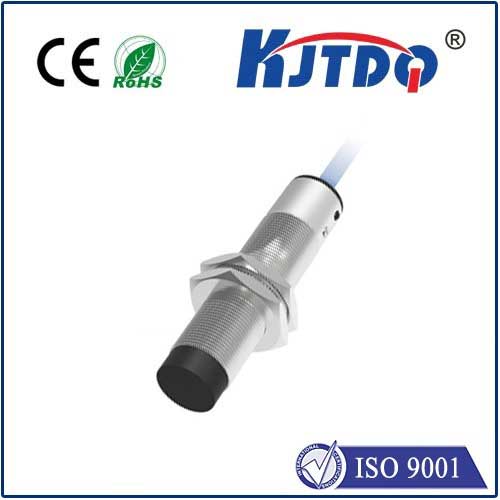
In the demanding world of industrial automation and machinery, the reliability of every component is paramount. Among these critical components, proximity sensors play a vital role in ensuring precise, non-contact detection of objects. When operating environments involve high-pressure washdowns, exposure to aggressive coolants, or simply harsh conditions, a standard sensor is not enough. This is where the BD1.5-P1-M12-625 High Pressure Proximity Sensor steps in, engineered specifically to deliver unwavering performance under extreme pressure.
The core challenge in high-pressure applications is ingress protection. The BD1.5-P1-M12-625 is meticulously designed with a robust, stainless-steel housing that provides an exceptional degree of sealing. It typically meets or exceeds IP69K ratings, the highest standard for protection against high-pressure, high-temperature water jets. This means it can withstand direct, close-range cleaning with high-pressure steam or water, commonly required in food and beverage processing, pharmaceutical manufacturing, and chemical plants. The sensor remains fully operational, preventing downtime caused by fluid ingress and subsequent failure.
Beyond its formidable sealing, the sensor features a compact and resilient design. The "BD1.5" often denotes a 1.5mm flush-mountable form factor, allowing it to be installed without a gap, which is crucial in environments where material buildup could occur. The "P1" indicates a specific performance class or output type, commonly a PNP normally open (NO) configuration, providing a compatible signal for most programmable logic controllers (PLCs). The M12 connector offers a quick-disconnect capability, significantly simplifying installation, maintenance, and replacement procedures, thereby reducing system downtime.
Performance specifications are where the BD1.5-P1-M12-625 truly excels. With a sensing distance of up to 1.5mm or 2mm (as per the "625" variant coding), it offers precise detection of metallic targets. Its switching frequency is high, enabling reliable detection even on fast-moving production lines. The sensor is built to endure significant temperature ranges and mechanical stress, including vibration and shock, ensuring long-term stability. This durability translates directly into cost savings by minimizing unexpected failures and maintenance intervals.
The applications for this high-pressure proximity sensor are extensive and critical. In the food and beverage industry, it is indispensable on filling lines, packaging machines, and bottling systems that undergo rigorous daily cleaning cycles. In automotive manufacturing, it reliably detects parts on machining lines exposed to cutting fluids and coolants. Similarly, in wood processing or metalworking, where dust, chips, and liquids are prevalent, the sensor's sealed body prevents contamination of its internal electronics. Its reliability also makes it a preferred choice for mobile hydraulic machinery and agricultural equipment operating in dusty, wet, and high-vibration environments.
Selecting the right sensor for a high-pressure application requires careful consideration. The BD1.1-P1-M12-625 model provides a solution that balances critical factors: extreme environmental protection, precise and reliable sensing performance, and ease of integration. When comparing options, engineers and maintenance managers should prioritize the official IP rating, material compatibility with process chemicals, the required sensing distance, and the electrical output needed for their control system. This sensor is designed to check all these boxes, offering a robust and dependable solution.
Ultimately, the integration of the BD1.5-P1-M12-625 High Pressure Proximity Sensor into an automation system is an investment in operational resilience. It goes beyond simple object detection; it is a guardian of continuous production. By choosing a sensor specifically engineered for high-pressure and harsh conditions, facilities can achieve higher overall equipment effectiveness (OEE), reduce maintenance costs associated with sensor failure, and ensure a safer, more predictable manufacturing process. Its role, though often unseen, is fundamental to the smooth and efficient operation of modern industry.