check

check

check

check
check
check
check
check

check

check
In the demanding world of industrial automation and heavy machinery, component failure is not an option. Downtime translates directly to lost revenue and compromised safety. This is where precision-engineered components like the BES 516-300-S190-S4 High Pressure proximity sensor prove their indispensable value. Designed to operate flawlessly in extreme environments, this sensor represents a critical link in maintaining continuous, efficient, and safe operations across numerous sectors.
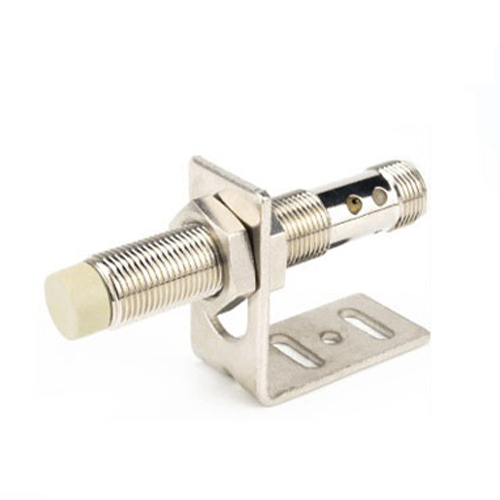
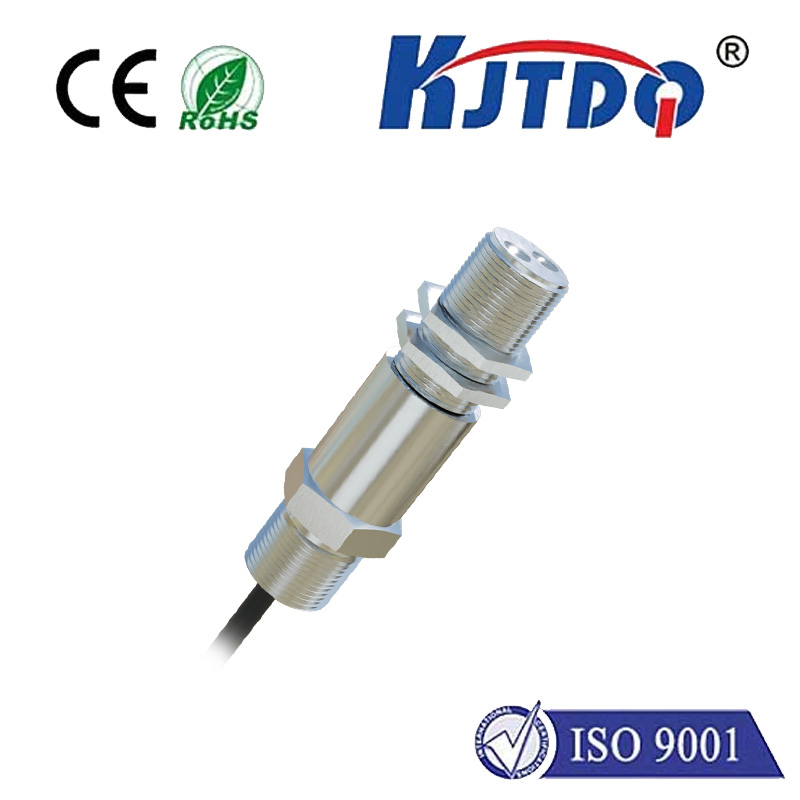
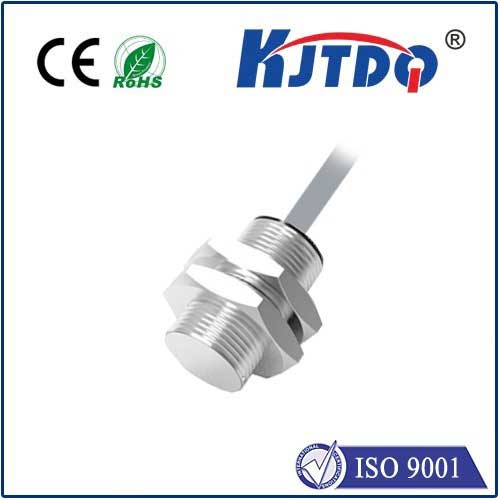
The core function of the BES 516-300-S190-S4 is non-contact detection of metallic objects. Unlike mechanical switches that wear out, this inductive proximity sensor uses an electromagnetic field to detect the presence of a target without physical contact. This fundamental principle grants it exceptional longevity and reliability. The "High Pressure" designation is not merely a label; it signifies a robust construction that allows the sensor to withstand immersion and operation in hydraulic systems or other applications where it is exposed to high-pressure fluids, typically up to 500 bar. The housing is hermetically sealed, often using a stainless steel casing (like the S190 variant), protecting the internal electronics from contamination, shock, and vibration.
Key technical specifications make the BES 516-300-S190-S4 a preferred choice for engineers. The "516" series typically indicates a standard 30mm diameter cylindrical housing. The "300" often refers to a sensing range, commonly 3mm for this robust design, providing precise detection. The "S4" suffix usually denotes a particular electrical connection type, such as a 4-pin M12 connector, facilitating quick installation and replacement. Its operating voltage range is compatible with standard industrial DC supplies, and it features short-circuit and reverse polarity protection, safeguarding both the sensor and the control system. The robust design ensures consistent performance across a wide temperature range, from freezing cold to intense heat commonly found in foundries or machining centers.
The applications for this sensor are vast and critical. In hydraulic press systems, it monitors piston position, ensuring cycles complete correctly and preventing over-travel that could damage equipment. Within injection molding machines, it detects mold plate position with unwavering accuracy, crucial for product quality. In heavy mobile equipment like excavators or agricultural machinery, these sensors provide reliable feedback for boom or arm positioning under constant exposure to dirt, moisture, and high-pressure hydraulic lines. The manufacturing of automotive parts, steel mills, and offshore drilling platforms all rely on such hardened sensors for position feedback, sequencing, and safety interlocks where failure could be catastrophic.
Selecting the right sensor for a high-pressure environment cannot be an afterthought. The BES 516-300-S190-S4 addresses several common pain points. Its high-pressure resistance eliminates the need for complex and failure-prone external protective housings. The stainless steel construction resists corrosion from aggressive hydraulic fluids or seawater spray. The non-contact sensing eliminates mechanical wear, leading to a dramatically longer service life compared to limit switches. This translates to reduced maintenance costs, fewer production stoppages, and higher overall equipment effectiveness (OEE).
Installation and integration are straightforward but require attention to detail. Ensuring the sensor is mounted securely to withstand vibration is paramount. The sensing face must be positioned at the correct distance from the target metal, respecting the specified 3mm nominal range. For the typical 4-wire DC design, correct wiring of the positive supply, negative supply, and the load (often a PLC input) is essential. Users should always consult the official datasheet for the specific model to confirm wiring diagrams, pressure ratings, and temperature limits. Regular checks for physical damage and buildup of metallic debris on the sensing face will help maintain optimal performance over years of service.
When compared to standard proximity sensors, the BES 516-300-S190-S4 commands a premium, and rightfully so. The investment is justified by its specialized construction designed to survive where others would fail. The total cost of ownership is often lower when factoring in the avoidance of unplanned downtime, production losses, and frequent replacements. For system integrators and maintenance managers, specifying this sensor is a proactive step toward building more resilient and dependable machinery.
In conclusion, the BES 516-300-S190-S4 High Pressure proximity sensor is more than just a component; it is a cornerstone of industrial reliability. Its ability to deliver precise, non-contact detection while enduring the harshest conditions of pressure, temperature, and contamination makes it a silent guardian of productivity. For applications where performance cannot be compromised, choosing a proven and robust solution like this sensor is the definitive strategy for ensuring operational continuity, protecting capital equipment, and upholding the highest safety standards.