check

check

check

check

check

check
In the demanding world of industrial automation and process control, the margin for error is razor-thin. Equipment failure under high-pressure conditions can lead to catastrophic downtime, safety hazards, and significant financial loss. This is where precision sensing technology becomes not just an advantage but a critical necessity. The DW-AS-523-P12-624 High Pressure Proximity Sensor stands as a paragon of reliability engineered specifically for these extreme environments. This guide delves into its core functionalities, applications, and the tangible benefits it delivers to operations where pressure is a constant factor.
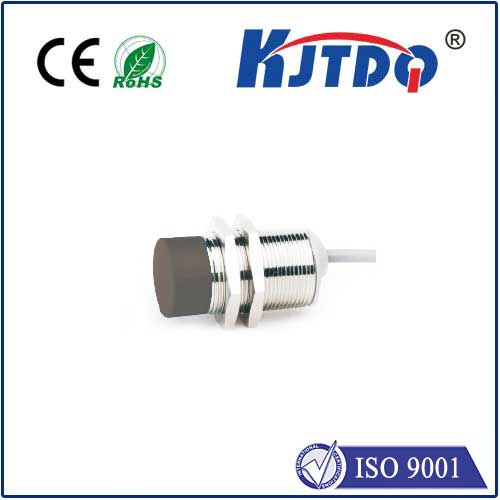
At its heart, the DW-AS-523-P12-624 is a non-contact inductive proximity sensor built to withstand exceptionally high ambient pressures. Unlike standard sensors that may falter when external pressure increases, this model features a hermetically sealed, reinforced housing constructed from high-grade stainless steel. This robust design ensures that the internal electronics and sensing face remain completely isolated from the external environment. The "P12-624" designation often correlates with specific pressure ratings, thread types, and electrical output configurations, making it suitable for direct integration into high-pressure hydraulic systems, deep-sea equipment, or pressurized vessel monitoring. Its core principle relies on generating an electromagnetic field; when a metallic target enters this field, eddy currents are induced, causing a change in oscillation amplitude that is detected and converted into a clean, switch-like output signal. This non-contact operation is key to its longevity, eliminating mechanical wear and tear.
The applications for a sensor of this caliber are found in industries where failure is not an option. In offshore oil and gas, it is deployed on subsea blowout preventers (BOPs) and Christmas tree valves to provide critical position feedback under immense ocean pressures. Within hydraulic press and molding machinery, it ensures precise control of piston position and mold clamping sequences, preventing over-travel and damage. The chemical and pharmaceutical industries utilize it for monitoring valve stem positions in pipelines carrying volatile or corrosive fluids under pressure, ensuring process integrity and containment. Furthermore, in heavy-duty test stands for aerospace components or engine parts, the DW-AS-523-P12-624 reliably detects the presence and position of fixtures and components during high-pressure stress tests. Its immunity to pressure fluctuations means the sensing distance remains consistent and accurate, a feature paramount for repeatable quality control.
Choosing the DW-AS-523-P12-624 translates into measurable operational advantages. The foremost benefit is unparalleled reliability. By providing consistent, accurate detection regardless of the surrounding pressure, it drastically reduces unplanned stoppages. This enhanced reliability directly contributes to improved safety by ensuring that machine states are correctly reported in hazardous conditions. Secondly, its rugged construction leads to a significantly extended service life compared to conventional sensors, lowering the total cost of ownership through reduced replacement frequency and maintenance labor. The sensor's stable performance also minimizes false triggers and signal drift, leading to higher production quality and less material waste. For system integrators, its standardized output and robust housing simplify installation and commissioning, even in hard-to-reach or hostile locations.
When integrating this sensor, several practical considerations ensure optimal performance. First, verify the specific pressure rating (often in bar or psi) to match or exceed the maximum operating pressure of the application. The mounting is crucial; proper sealing of the thread (commonly a metric or NPT thread as specified) is essential to maintain its pressure integrity. While designed for metallic targets, the sensing distance can be slightly affected by the target material's properties and size; consulting the technical datasheet for correction factors is recommended. Ensuring a stable, clean power supply as per its specifications (e.g., 10-30V DC) protects the internal circuitry. Regular visual inspections for physical damage and checking for moisture ingress, though unlikely due to its sealing, form part of a robust preventative maintenance routine.
In conclusion, the DW-AS-523-P12-624 High Pressure Proximity Sensor is more than just a component; it is a strategic investment in operational resilience. It addresses the fundamental challenge of obtaining reliable data in environments where pressure seeks to compromise every system. By delivering unwavering accuracy, robust construction, and seamless integration, it empowers engineers and operators to push the boundaries of their processes with confidence. For any application where high pressure is a defining condition, specifying a sensor of this proven capability is a decisive step toward maximizing uptime, ensuring safety, and protecting valuable capital assets.