check

check

check

check

check

check
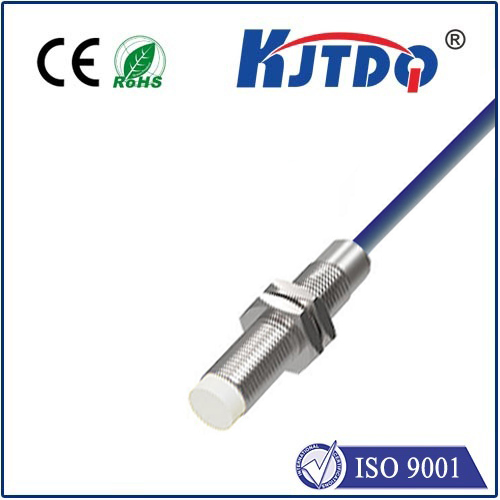
In the world of industrial automation and process control, reliability is not just a preference; it's an absolute necessity. Equipment failure in high-pressure, high-stakes environments can lead to catastrophic downtime, safety hazards, and significant financial loss. This is where precision-engineered components like the NJ2-11-N-G-V1-Y194329 High Pressure Proximity Sensor step into the spotlight, offering unparalleled performance where it matters most.
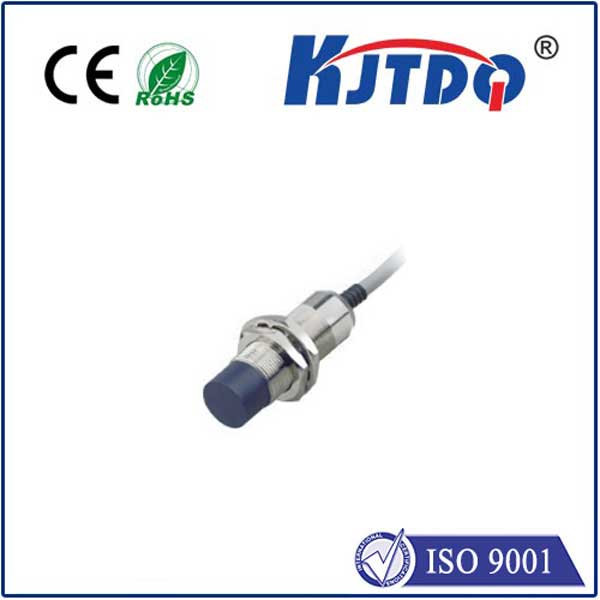
The NJ2-11-N-G-V1-Y194329 is engineered specifically to thrive under extreme pressure conditions. Unlike standard sensors that may falter or provide inconsistent readings, this model is built with a robust housing and internal architecture designed to withstand the physical stresses of high-pressure applications. Common use cases include hydraulic systems, heavy-duty press machinery, injection molding equipment, and offshore oil and gas operations. In these settings, the sensor's primary role is to provide accurate, non-contact detection of metallic targets—monitoring piston position, valve status, or the presence of components—ensuring seamless cycle control and operational safety.
What truly sets the NJ2-11-N-G-V1-Y194329 apart is its meticulous design specification. The "High Pressure" designation is backed by a construction that can endure significant external force without compromising signal integrity. The sensing element is shielded from environmental contaminants like oil, coolants, and particulate matter, which are prevalent in industrial workshops. Its electrical connection, denoted by the variant code, is designed for secure and stable integration into complex control panels, minimizing the risk of vibration-induced disconnection. The output signal is crisp and reliable, providing the PLC (Programmable Logic Controller) with the definitive data needed to make split-second decisions.
The operational benefits of integrating this sensor are substantial. First and foremost is enhanced system reliability. By delivering consistent detection even under fluctuating pressure loads, it prevents machine jams, misalignments, and incomplete cycles. This directly translates to increased production throughput and reduced waste. Secondly, its durability means a longer service life and reduced frequency of replacement, lowering the total cost of ownership. Maintenance teams spend less time on troubleshooting and sensor swaps, focusing instead on proactive system optimization.
For engineers and procurement specialists selecting a sensor, several technical aspects of the NJ2-11-N-G-V1-Y194329 warrant attention. Its sensing range, response frequency, and output type (likely PNP or NPN) must be compatible with the existing control architecture. The housing material, typically stainless steel or a high-grade nickel-plated brass, offers excellent resistance to corrosion. Furthermore, its temperature operating range ensures functionality in both hot and cold industrial environments. Proper installation is key; ensuring correct mounting, adequate clearance from the target, and protection of the cable strain relief will guarantee the sensor performs as specified for years.
Consider a real-world scenario in a metal stamping plant. A high-tonnage press uses hydraulic cylinders to deliver immense force. A failure in detecting the precise retracted position of a cylinder could lead to a double-feed of sheet metal, causing a catastrophic tool crash. By implementing the NJ2-11-N-G-V1-Y194329 sensor to monitor the cylinder position, the control system receives a fail-safe signal at the exact moment required. This prevents equipment damage worth tens of thousands of dollars and avoids weeks of unplanned downtime, showcasing a clear return on investment.
In conclusion, the NJ2-11-N-G-V1-Y194329 High Pressure Proximity Sensor is more than just a component; it is a critical guardian of industrial efficiency and safety. Its specialized design for high-pressure environments addresses a core challenge in automation, providing the resilience and accuracy that modern manufacturing demands. For operations where pressure is a constant factor, choosing a sensor of this caliber is a strategic decision towards achieving greater operational stability, productivity, and cost-effectiveness.