check

check

check

check

check

check
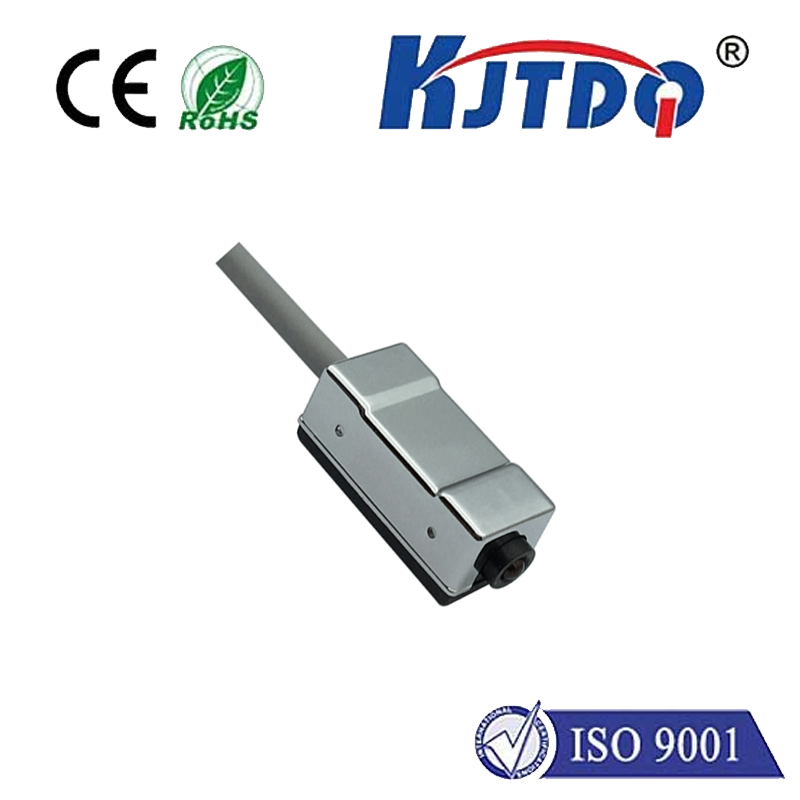
In the demanding world of industrial automation, where machinery operates under extreme pressures and in unforgiving conditions, the reliability of every component is paramount. Sensor failure in such environments is not merely an inconvenience; it can lead to catastrophic downtime, costly repairs, and significant safety hazards. This is where the DW-AS-503-P20G High Pressure Proximity Sensor distinguishes itself, engineered specifically to deliver unwavering performance where others falter.
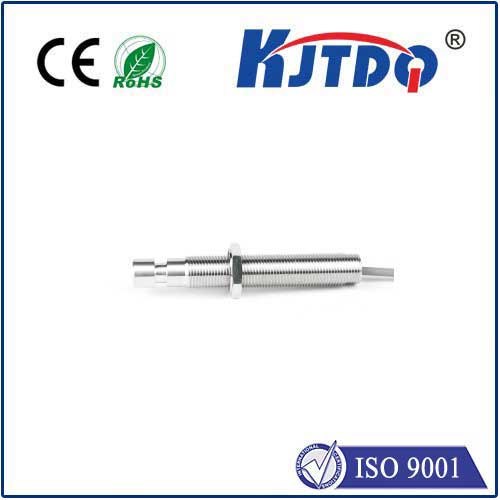
The core challenge in high-pressure applications, such as hydraulic systems, die-casting machines, heavy-duty presses, and offshore equipment, is the immense physical stress exerted on sensor housings and sensing elements. Standard inductive or capacitive proximity sensors often succumb to seal failure, housing deformation, or internal circuit damage when subjected to pressures exceeding 100 bar. The DW-AS-503-P20G is built from the ground up to conquer this challenge. Its robust, stainless-steel housing is designed with a reinforced structure capable of withstanding continuous pressure up to 500 bar, with peak resistance even higher. This isn't just a rating; it's a guarantee of integrity in the face of relentless force, ensuring the sensor body remains impervious to leaks or collapse.
Beyond mere pressure resistance, the sensor excels in detection reliability. Utilizing a high-performance sensing core, it maintains a stable and precise switching point even when immersed in high-pressure hydraulic oil or exposed to intense vibrations. Fluctuations in pressure or temperature have minimal impact on its detection accuracy, a critical factor for maintaining consistent process control in applications like injection molding or valve position monitoring. The P20G variant typically offers a sensing range suitable for precise positioning tasks, often around 20mm, providing the necessary standoff distance to protect the sensing face from direct abrasion while ensuring reliable target detection.
Environmental resilience is another cornerstone of its design. The sensor features IP67, IP68, or even IP69K ratings, making it completely sealed against dust ingress and high-pressure, high-temperature water jets. This makes it ideal for wash-down environments in food and beverage processing or for equipment exposed to the elements in mining and construction. Furthermore, its electronics are shielded against electromagnetic interference (EMI), a common issue in plants with heavy motor drives and welding equipment, ensuring signal stability and eliminating false triggers.
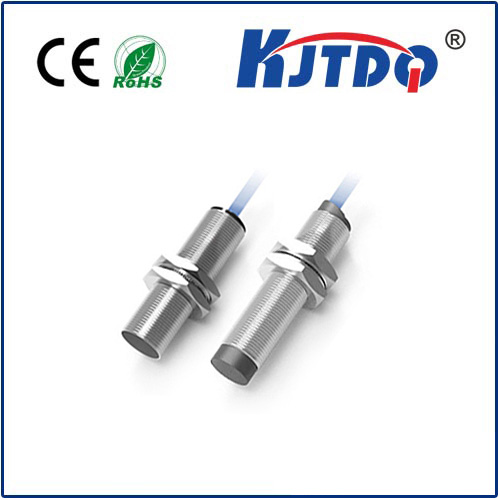
Installation and integration are streamlined for efficiency. The DW-AS-503-P20G is available in standard form factors like M18 or M30 threaded barrels, allowing for direct replacement or upgrade from less capable sensors without modifying mounting setups. It commonly features a PNP or NPN output configuration and a 3 or 4-wire connection compatible with standard PLCs and control systems. LED status indicators provide clear visual confirmation of operation and switching state, simplifying maintenance and troubleshooting. For engineers and maintenance teams, this translates to reduced installation time, easier system integration, and lower total cost of ownership due to extended service intervals and fewer replacements.
In practice, the benefits are tangible. On a automotive manufacturing line, these sensors reliably monitor hydraulic clamp positions in high-pressure presses, ensuring each stamping cycle is precise and safe. In a steel mill, they provide accurate feedback on the position of rolling mill screws under tremendous load, contributing to product consistency. For offshore drilling rigs, their ability to function reliably in high-pressure, corrosive saltwater environments makes them indispensable for critical safety and control functions.
Choosing the DW-AS-503-P20G is more than selecting a sensor; it's investing in operational continuity and safety. It represents a commitment to using components that match the severity of the application, thereby eliminating a common point of failure. By providing a durable, accurate, and resilient sensing solution, it empowers industries to push the boundaries of their machinery's capabilities without compromising on reliability. For system integrators, OEM designers, and plant maintenance managers, this sensor offers a definitive answer to the persistent problem of sensing in high-pressure zones, turning a potential vulnerability into a pillar of strength on the factory floor.