check

check

check

check

check

check
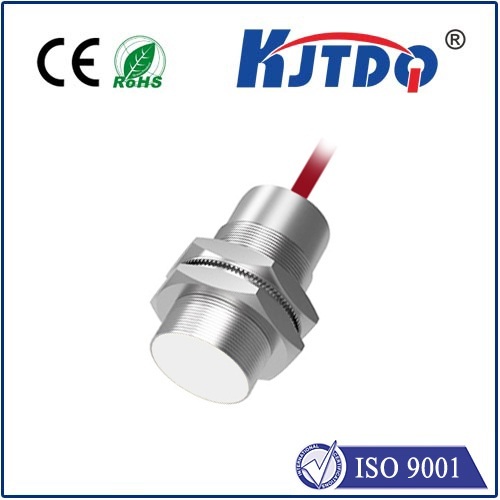
In the heart of modern industrial automation, where machinery operates under extreme pressures and in unforgiving conditions, the reliability of every component is non-negotiable. Sensor failure can lead to costly downtime, safety hazards, and compromised product quality. This is where specialized components like the BES M12EI-PSC40B-S04G-S01, also known as the BES02NC High Pressure proximity sensor, step into the spotlight. Engineered for resilience and precision, this sensor is not just another part; it is a critical guardian of process integrity in high-pressure applications.
Traditional inductive proximity sensors often falter when exposed to sustained high-pressure environments commonly found in hydraulic systems, die-casting machines, plastic injection molding, and high-pressure washing systems. The immense force can compromise housing integrity, damage internal electronics, or cause false triggering. The BES M12EI-PSC40B-S04G-S01 is specifically designed to conquer these challenges. Its core strength lies in its robust construction, featuring a stainless steel housing rated for exceptionally high pressure resistance. This design ensures that the sensor remains fully operational and maintains its sealing properties even when subjected to the intense forces present in fluid power applications, preventing ingress and mechanical failure.
Beyond its physical durability, the sensor delivers unwavering performance. Utilizing a reliable inductive sensing principle, it detects the presence of metallic targets with high repeat accuracy. The "PSC" in its part number signifies its pressure-resistant design, a key differentiator. The M12 connector provides a standardized, secure interface for easy integration into existing control systems, reducing installation time and complexity. The 4-wire configuration (S04G) typically indicates a complementary DC output (both PNP and NPN switching signals available), offering flexibility for various PLC and controller inputs. The S01 often denotes a specific sensing range or output characteristic, ensuring it meets precise application requirements.
The operational benefits of integrating the BES02NC sensor are substantial. First and foremost is enhanced system reliability. By withstanding pressure spikes and constant high-load conditions, it minimizes unplanned stoppages. This directly translates to increased production uptime and lower maintenance costs, as the sensor requires less frequent replacement than standard models. Secondly, it contributes to safety. Consistent and accurate detection in critical high-pressure zones helps prevent machine malfunctions that could lead to dangerous situations. Finally, its precision ensures process consistency, whether it's controlling the position of a hydraulic cylinder, confirming mold closure in an injection machine, or monitoring valve positions, leading to improved product quality.
Selecting the right sensor for a high-pressure application requires careful consideration. Key factors include the maximum operating pressure of the environment, the required sensing distance, the target material (ferrous or non-ferrous metals), the electrical output type needed by the control system, and the environmental conditions such as temperature and potential exposure to coolants or chemicals. The BES M12EI-PSC40B-S04G-S01 is explicitly cataloged for scenarios where pressure resistance is paramount, making it a preferred choice for engineers and maintenance specialists seeking a long-term solution.
In conclusion, in the demanding landscape of industrial automation, opting for components built for the specific challenge is a strategic decision. The BES M12EI-PSC40B-S04G-S01 (BES02NC) High Pressure proximity sensor stands as a testament to targeted engineering. It provides a robust, reliable, and precise sensing solution that ensures continuity, safety, and efficiency in the most pressurized points of your operation. When failure is not an option, this sensor delivers the performance and endurance needed to keep critical processes running smoothly.