check

check

check

check

check

check
In the complex and often unforgiving world of industrial automation, the reliability of every component is paramount. Among these critical components, proximity sensors play a vital role in detecting the presence or absence of objects without physical contact. However, standard sensors often falter under extreme conditions, particularly where high pressure is a constant factor. This is where specialized equipment like the DW-AD-503-P12-627 High Pressure Proximity Sensor steps in, engineered to deliver unwavering performance where others cannot.
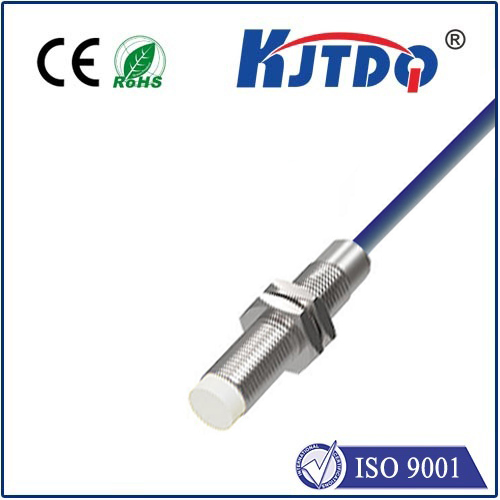
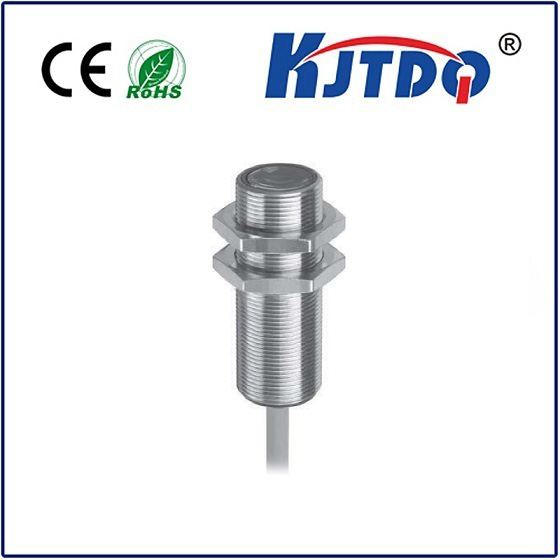
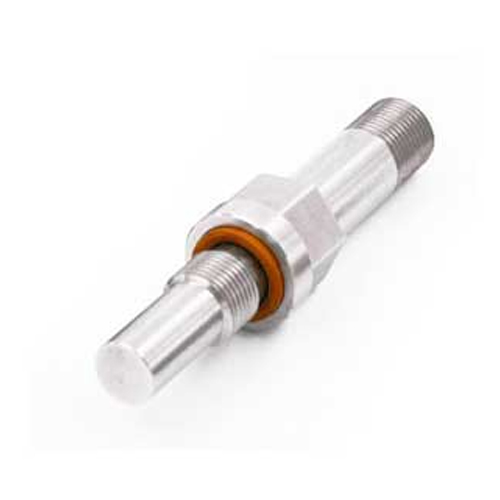
The DW-AD-503-P12-627 is not merely an incremental improvement but a purpose-built device designed for applications involving hydraulic systems, high-pressure die-casting, oil and gas pipelines, and heavy-duty press machinery. Its core strength lies in its robust construction, capable of withstanding ambient pressures that would compromise or destroy conventional inductive or capacitive sensors. The housing is typically crafted from high-grade stainless steel, providing exceptional resistance to corrosion, mechanical stress, and the ingress of fluids or particulates. This durability ensures a long operational lifespan, reducing downtime and maintenance costs significantly.
At the heart of its functionality is a sensing technology optimized for stability under pressure. Fluctuations in environmental pressure can affect the sensing field of standard proximity sensors, leading to false triggers or missed detections. The DW-AD-503-P12-627 incorporates advanced signal conditioning and shielding techniques. These features isolate the sensing element from external pressure influences, guaranteeing consistent and accurate detection of metallic targets. Whether it's monitoring piston position in a hydraulic cylinder or confirming the closure of a high-pressure valve, the sensor provides a reliable digital signal that control systems can depend on.
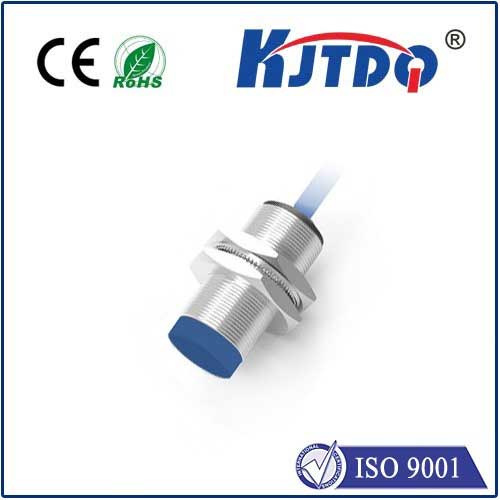
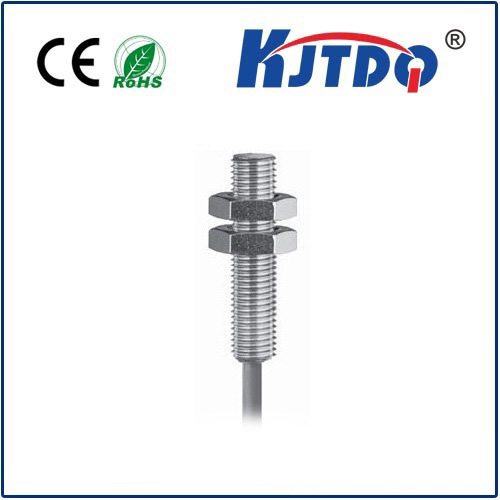
Installation and integration are streamlined for efficiency. The sensor features a standardized P12 threaded housing, a common form factor that simplifies mounting in existing industrial setups. Its compact design allows for placement in tight spaces often found around machinery. Electrical connectivity is straightforward, typically offering both PNP (sourcing) and NPN (sinking) output configurations to seamlessly interface with a wide array of Programmable Logic Controllers (PLCs) and other control units. Many models also include LED status indicators for quick visual confirmation of power and output state, aiding in troubleshooting and setup.
The operational benefits extend beyond mere detection. By providing fail-safe monitoring in high-pressure zones, the DW-AD-503-P12-627 contributes directly to enhanced system safety and process optimization. It helps prevent equipment damage by ensuring components are in correct positions before initiating high-pressure cycles. In automated production lines, its reliability supports higher throughput by minimizing errors and stoppages caused by faulty sensing. For engineers and plant managers, this translates to improved Overall Equipment Effectiveness (OEE), a key metric in modern manufacturing.
Selecting the right sensor for a high-pressure application requires careful consideration. Key specifications to review include the maximum pressure rating, sensing distance, target material compatibility, operating temperature range, and the ingress protection (IP) rating. The DW-AD-503-P12-627 series is designed to meet stringent requirements across these parameters. Consulting with technical specialists or referring to the detailed datasheet is always recommended to ensure the selected model aligns perfectly with the specific environmental challenges and performance needs of the application.
In conclusion, for industries where pressure is not just a variable but a defining characteristic of the operating environment, generic sensing solutions are insufficient. The DW-AD-503-P12-627 High Pressure Proximity Sensor represents a dedicated answer to these challenges. Its robust design, pressure-immune sensing technology, and ease of integration make it an indispensable component for ensuring reliability, safety, and efficiency in the most demanding automation and control systems. Investing in such specialized instrumentation is a strategic decision that safeguards productivity and protects valuable capital equipment over the long term.