check

check

check

check

check

check
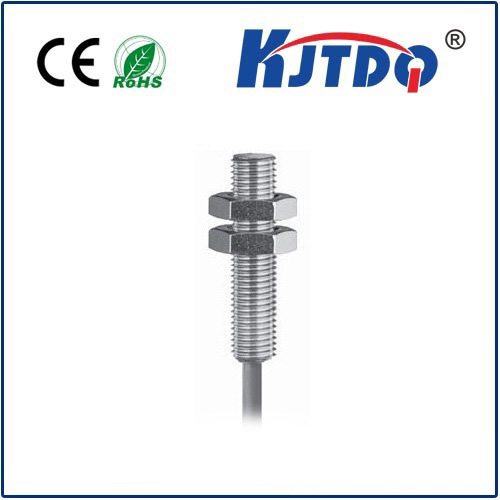
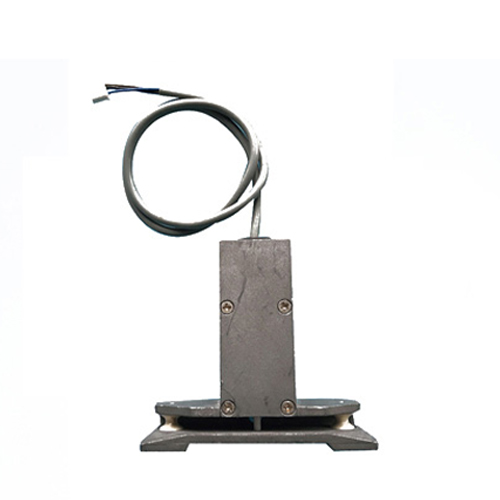
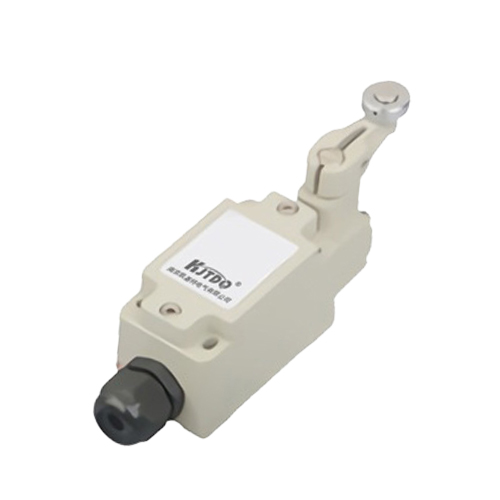
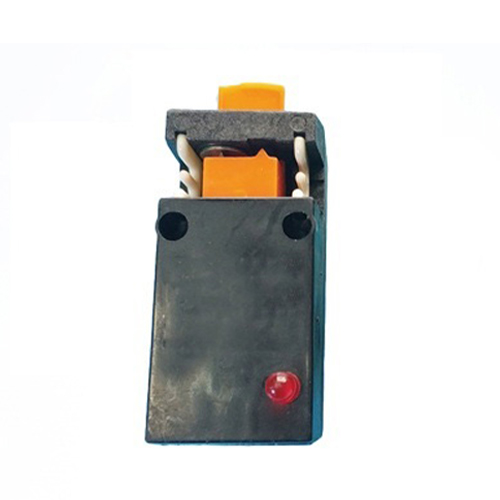
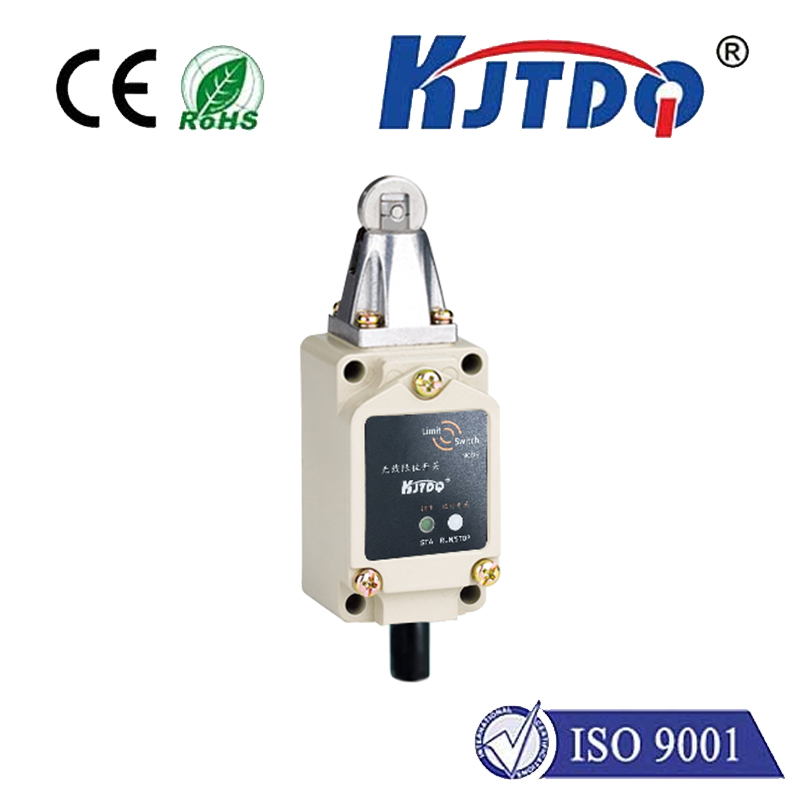
In industrial automation and process control, the reliability and accuracy of sensor technology are paramount. The MFS211 High Pressure proximity sensor stands out as a critical component designed to meet the rigorous demands of high-pressure environments. This sensor is engineered to detect the presence or absence of objects in conditions where traditional sensors might fail, ensuring seamless operations in sectors such as oil and gas, hydraulic systems, and heavy machinery manufacturing.
The MFS211 sensor operates on the principle of inductive proximity sensing, which allows it to function without physical contact with the target object. This non-contact method minimizes wear and tear, extending the sensor's lifespan and reducing maintenance costs. Its high-pressure rating enables it to withstand extreme conditions, including pressures up to 600 bar, making it ideal for applications in deep-sea drilling, pipeline monitoring, and industrial presses. The robust construction, often featuring stainless steel or hardened materials, provides resistance to corrosion, vibration, and temperature fluctuations, ensuring consistent performance in harsh settings.
One of the key advantages of the MFS211 is its precision in detection. With a sensing range tailored for high-pressure scenarios, it offers accurate readings even in dense or turbulent media. This accuracy is crucial for preventing equipment failures, optimizing process efficiency, and enhancing safety protocols. For instance, in hydraulic systems, the sensor can monitor fluid levels or detect blockages, triggering alerts before costly damages occur. In manufacturing lines, it ensures proper positioning of components under high pressure, reducing downtime and improving productivity.
Installation and integration of the MFS211 are straightforward, thanks to its standardized design and compatibility with various control systems. Many models come with adjustable sensitivity settings, allowing customization for specific applications. Additionally, the sensor's output signals, such as PNP or NPN configurations, facilitate easy connection to PLCs (Programmable Logic Controllers) and other automation devices. This versatility makes it a preferred choice for engineers seeking reliable solutions in complex industrial setups.
Beyond technical specifications, the MFS211 contributes to sustainability efforts by promoting energy efficiency. Its low power consumption and durable build reduce waste and operational costs over time. In industries where environmental regulations are stringent, using such sensors helps companies comply with standards while maintaining high performance. Testimonials from users in the automotive and aerospace sectors highlight its role in enhancing system reliability and reducing carbon footprints through optimized processes.
Looking ahead, advancements in sensor technology continue to evolve, with the MFS211 High Pressure proximity sensor at the forefront of innovation. Future iterations may incorporate IoT (Internet of Things) capabilities for real-time data monitoring and predictive maintenance. As industries embrace digital transformation, this sensor is poised to play a vital role in smart factories and automated systems, driving efficiency and safety to new heights. For businesses investing in robust automation solutions, the MFS211 offers a proven track record of durability and accuracy, making it an indispensable tool in high-pressure applications.