check

check

check

check

check

check
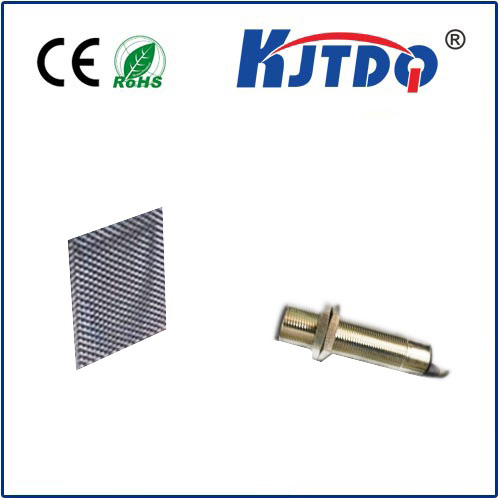
In the relentless world of industrial automation, where machinery operates under extreme conditions, the margin for error is virtually zero. Sensor failure can lead to catastrophic downtime, safety hazards, and significant financial loss. This is where precision, durability, and unwavering reliability are not just preferred but mandated. The KGG18P2BDC High Pressure Proximity Sensor emerges as a cornerstone technology engineered specifically to meet and exceed these rigorous demands. Unlike standard sensors that falter under stress, this device is built to perform flawlessly in the most challenging applications, from hydraulic systems and die-casting machines to high-pressure washdown environments.
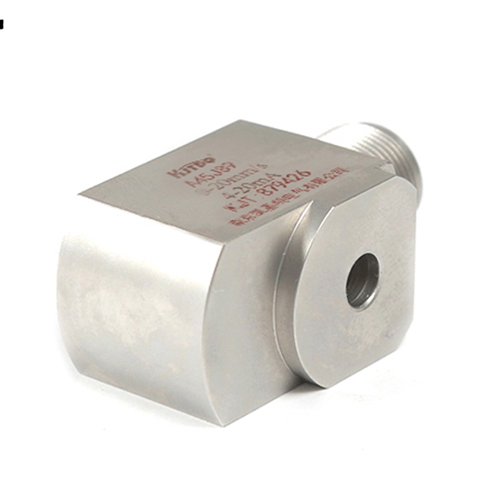
The defining characteristic of the KGG18P2BDC is its exceptional resilience to high-pressure conditions. Its robust stainless-steel housing is hermetically sealed, providing an impressive degree of protection (typically rated IP67 or higher). This design ensures that the internal sensing components remain completely isolated from external contaminants like oil, coolant, and metal chips, as well as the intense pressures found in hydraulic cylinders or pressurized fluid lines. The sensor can maintain accurate detection and switching even when subjected to direct high-pressure sprays or submerged in fluids, a scenario where conventional inductive sensors would quickly fail. This capability directly translates to enhanced system reliability and reduced maintenance intervals.
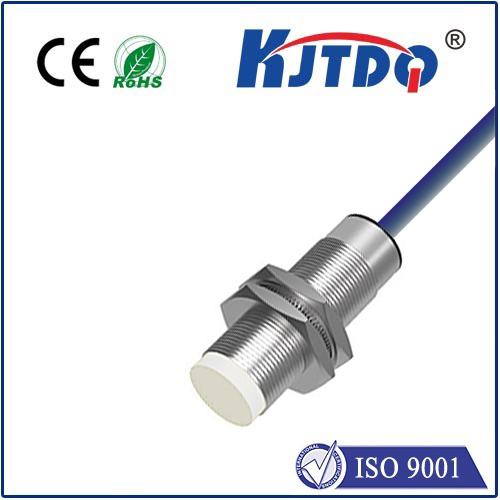
At its core, the KGG18P2BDC utilizes a ruggedized inductive sensing principle. It generates an electromagnetic field to detect the presence of metallic target objects without any physical contact. The "BDC" suffix often indicates a DC 3-wire configuration with complementary output types (typically PNP normally open and normally closed), offering flexibility for various control logic setups. Its switching frequency is optimized for fast-moving machinery, ensuring no pulse is missed in high-speed production cycles. Furthermore, the sensing distance is precisely calibrated and remains stable despite temperature fluctuations or vibrational interference common in heavy industrial settings. This consistent performance is critical for processes requiring exact positioning or repeatable sequence control.
The practical applications for this high-pressure proximity sensor are vast and critical. In injection molding and die-casting, it reliably monitors piston position within the mold clamp cylinder, enduring extreme heat and pressure cycles. Within hydraulic power units, it provides essential feedback on cylinder rod extension/retraction, enabling precise control of heavy loads. The food and beverage or chemical processing industries benefit from its use in high-pressure cleaning (CIP - Clean-in-Place) systems, where it can detect valve positions despite frequent exposure to caustic cleaning agents and high-pressure water jets. Its durability also makes it ideal for machine tools, automated guided vehicles (AGVs), and offshore equipment, where harsh conditions are a daily reality.
Selecting and integrating the KGG18P2BDC requires attention to key specifications. Engineers must consider the required sensing range, the material of the target object (ferrous metals like iron and steel are standard), the thread size (commonly M18), and the required electrical output to interface with the existing PLC or controller. Proper installation is paramount; ensuring the sensor is mounted securely to withstand vibration and that the target approaches the sensing face correctly will guarantee optimal performance and longevity. Its design often includes an LED status indicator for easy diagnostics, simplifying troubleshooting and reducing machine downtime.
Ultimately, the KGG18P2BDC High Pressure Proximity Sensor represents more than just a component; it is a strategic investment in operational integrity. By choosing a sensor specifically designed for high-pressure environments, plant managers and automation engineers proactively address a major point of potential failure. It delivers uninterrupted service, safeguards expensive machinery, and ensures continuous production flow. In an era where efficiency and uptime are directly linked to profitability, deploying hardened components like the KGG18P2BDC is a decisive step toward building a more resilient, productive, and competitive industrial operation. Its value is measured not only in its immediate function but in the costly disruptions it prevents.