check

check

check

check

check

check
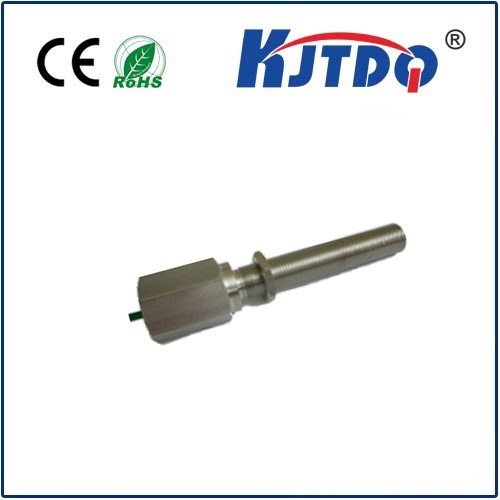
In the high-stakes world of industrial automation, where machinery operates under immense pressure and within tight tolerances, the reliability of every component is non-negotiable. Sensor failure in such environments can lead to catastrophic downtime, safety hazards, and significant financial loss. This is where specialized components like the BES 516-300-S323-S4-D High Pressure Proximity Sensor prove their indispensable value. Engineered to perform flawlessly in the most challenging conditions, this sensor represents a pinnacle of durability and precision for critical applications.
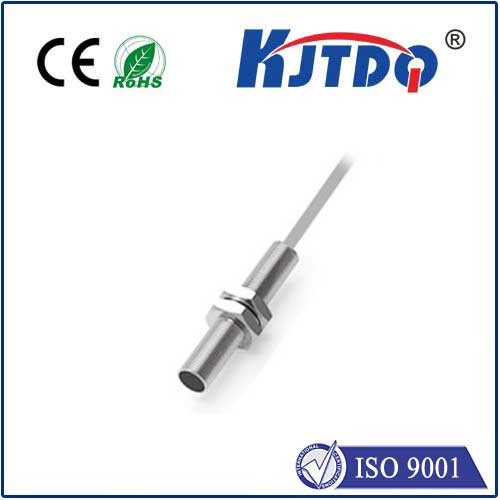
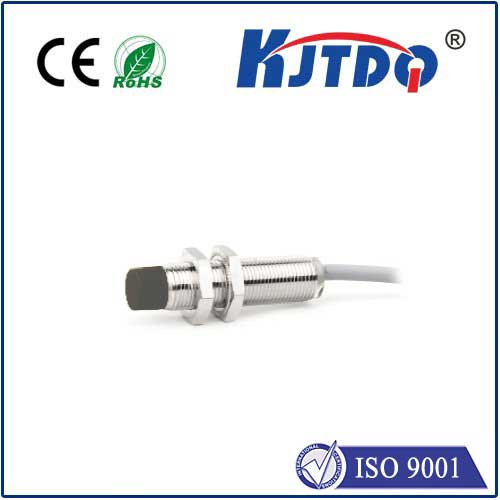
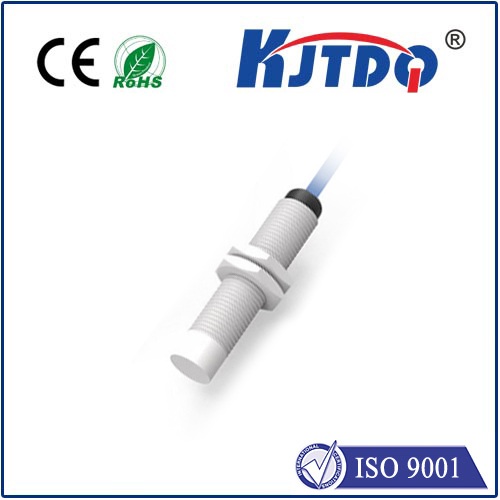
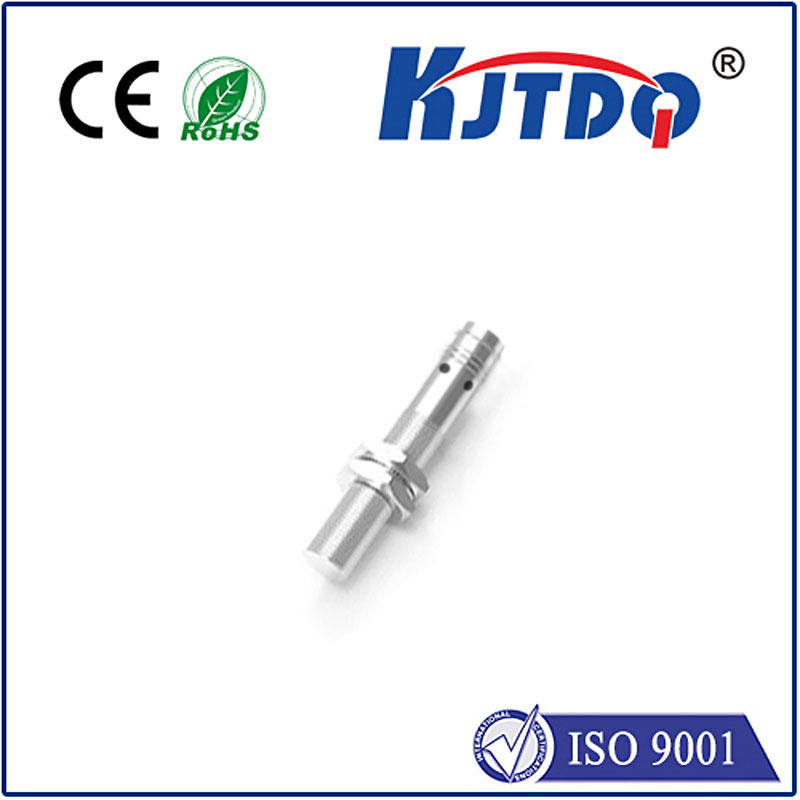
The core function of the BES 516-300-S323-S4-D is non-contact detection of metallic objects. However, its defining characteristic is its robust construction designed to withstand extreme pressure. The "High Pressure" designation is not merely a label; it signifies that the sensor's housing and sealing are engineered to resist ingress and deformation caused by environments found in hydraulic systems, high-pressure washdown stations, die-casting machines, or within the pressurized chambers of heavy industrial equipment. This resilience ensures consistent operation where standard inductive sensors would quickly falter or fail.
Delving into its model number reveals its precise configuration. The BES 516 series indicates a particular family of inductive proximity sensors known for their robustness. The 300 likely refers to a specific housing style or thread size, common in industrial fittings. The "S323" suffix often details key electrical and output specifications. In this case, it typically denotes a 3-wire DC sensor, with a Normally Open (NO) switching function, and a PNP (sourcing) output transistor. The "S4" frequently relates to the sensing range, which for this model is a standard 4mm. Finally, the "D" often specifies a particular connector type or housing material variant. This precise coding allows engineers to select the exact sensor required for their electrical and mechanical interface needs.
The advantages of implementing the BES 516-300-S323-S4-D are multifaceted. First and foremost is its exceptional reliability. Built with high-grade materials, it offers outstanding resistance to shock, vibration, and the physical stresses of high-pressure environments. Its IP67 or higher ingress protection rating means it is sealed against dust and can withstand temporary immersion, making it suitable for harsh, wet, or oily conditions common in manufacturing plants, food processing, and offshore applications.
Secondly, its precision is critical. The 4mm sensing distance provides accurate and repeatable detection of pistons, valve positions, or machine parts without physical contact, eliminating wear and tear. The PNP output is widely compatible with programmable logic controllers (PLCs) and standard industrial control circuitry, simplifying integration into existing systems. This plug-and-play compatibility reduces installation time and complexity.
From a practical standpoint, this sensor finds its home in numerous demanding sectors. In automotive manufacturing, it monitors hydraulic press positions and robotic arm movements. In the plastics industry, it detects mold positions in injection molding machines operating under high clamp pressure. Within packaging machinery, it ensures precise positioning of components in high-speed, high-pressure pneumatic systems. Its durability also makes it ideal for pulp and paper production, steel mills, and any facility utilizing aggressive high-pressure cleaning processes.
When selecting a sensor for high-pressure applications, several factors must be considered beyond just the pressure rating. The chemical compatibility of the housing material with surrounding fluids or cleaning agents is crucial. The operating temperature range must match the environment. The electrical characteristics, such as voltage supply (typically 10-30V DC for this model) and current rating, must align with the control system. The BES 516-300-S323-S4-D is designed with these industrial realities in mind, offering a balanced specification sheet that addresses these common challenges.
Maintenance, while minimal, is straightforward. The non-contact nature of the technology means there are no moving parts to wear out. Regular checks should involve verifying the mounting integrity to ensure seals remain uncompromised and cleaning the sensing face from any accumulated metallic debris or grime that could marginally affect performance. Ensuring stable power supply and checking connection points for corrosion are standard best practices that apply to all industrial sensors.
For system integrators and maintenance engineers, choosing a component like the BES 516-300-S323-S4-D is a decision that prioritizes long-term operational stability over initial cost. Its proven design mitigates the risk of unplanned stoppages. In an era where efficiency and uptime are directly linked to profitability, investing in sensors built for endurance is a strategic move. It provides peace of mind, knowing that this critical link in the automation chain is fortified against the extreme conditions it is designed to monitor.
Ultimately, the BES 516-300-S323-S4-D High Pressure Proximity Sensor is more than just a component; it is a reliability engineered solution. It embodies the principle that in industrial automation, the best value often comes from equipment that performs consistently day after day, under pressure, literally and figuratively. For applications where failure is not an option, specifying a sensor with this level of dedicated design and proven performance is the most logical and cost-effective path forward.