check

check

check

check
check
check
check
check

check
check
In the heart of modern industrial automation, where machinery operates under extreme pressures and in unforgiving conditions, the reliability of every component is paramount. A single sensor failure can lead to costly downtime, compromised safety, and significant production losses. This is where specialized sensing technology, engineered to withstand the harshest environments, becomes not just an advantage but a necessity. The KNYT1.8-M12-NBH-60 High Pressure Proximity Sensor stands as a prime example of such critical engineering, designed to deliver unwavering performance where standard sensors would falter.
The defining challenge in many heavy-duty applications, such as hydraulic systems, die-casting machines, high-pressure pumps, and offshore equipment, is the presence of immense ambient pressure. Conventional inductive proximity sensors can malfunction or suffer physical damage when subjected to these forces. The KNYT1.8-M12-NBH-60 is specifically built to counter this challenge. Its robust housing and internal design are meticulously engineered to equalize and resist high external pressures, ensuring that its sensing capabilities remain precise and stable. The "High Pressure" designation in its name is a direct promise of this capability, allowing it to be deployed in environments where pressure fluctuations are a constant factor.
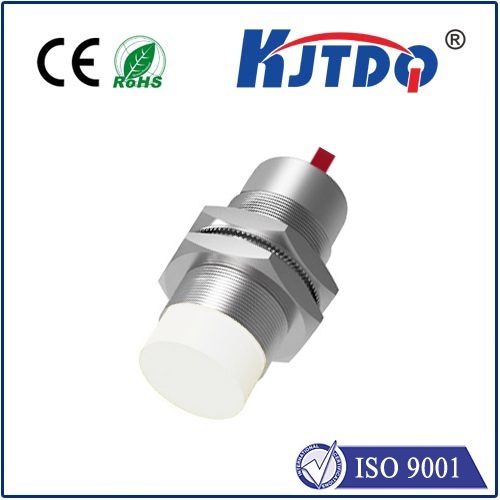
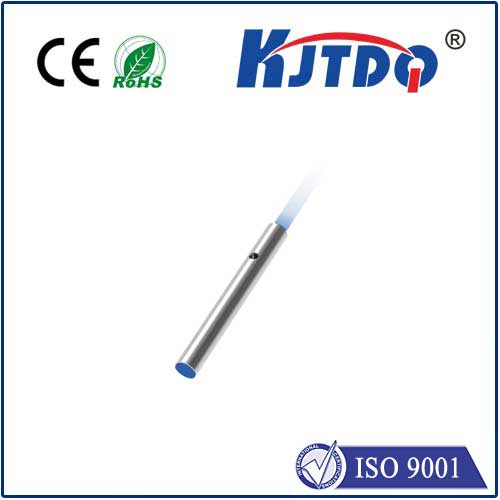
Beyond its pressure resistance, the sensor's specifications reveal a tool crafted for precision and durability. The M12 form factor provides a compact yet sturdy housing with a standardized connection, simplifying installation and integration into existing control systems. The 1.8mm nominal sensing distance offers the exact sensitivity required for precise position detection of metal targets in tight spaces. The NBH variant typically indicates a flush-mountable design in a nickel-plated brass housing. This material choice is crucial; brass provides excellent resistance to corrosion from coolants, oils, and many chemicals, while the nickel plating adds an extra layer of protection and durability. This combination ensures a long operational life even when exposed to aggressive media commonly found in machining, automotive, and marine applications.
Reliability is further ensured by its solid-state design. With no moving mechanical parts to wear out, the sensor offers a virtually maintenance-free operation. It provides a consistent, repeatable switching signal, immune to the vibrations and shocks that are commonplace in industrial settings. This translates to fewer false triggers, reduced maintenance intervals, and a higher degree of process consistency. For engineers and plant managers, this means increased overall equipment effectiveness (OEE) and lower total cost of ownership.
Integration into complex automation networks is straightforward. The sensor typically features a PNP or NPN output (depending on configuration) compatible with standard programmable logic controllers (PLCs). Its robust construction meets high Ingress Protection (IP) ratings, often IP67 or higher, guaranteeing protection against dust ingress and temporary immersion in water. This makes the KNYT1.8-M12-NBH-60 not only pressure-resistant but also a versatile solution for washdown areas in food processing or outdoor applications exposed to the elements.
In practice, the application spectrum for this sensor is vast. It is the ideal choice for monitoring piston position in high-pressure hydraulic cylinders, ensuring proper clamping force in molding presses, detecting the presence of metal components in high-pressure cleaning systems, or serving as a limit switch in subsea equipment. Its resilience makes it a cornerstone for safety systems, where its failure is not an option.
Selecting the right sensor is a strategic decision that impacts productivity and safety. The KNYT1.8-M12-NBH-60 High Pressure Proximity Sensor from KJTDQ represents a convergence of ruggedness, precision, and reliability. It is engineered for those critical points in a system where environmental stress is highest, delivering a signal of integrity that control systems can depend on, day in and day out. For industries pushing the boundaries of performance under pressure, this sensor is not merely a component; it is a vital contributor to operational excellence and uncompromising safety standards.