check

check

check

check

check

check
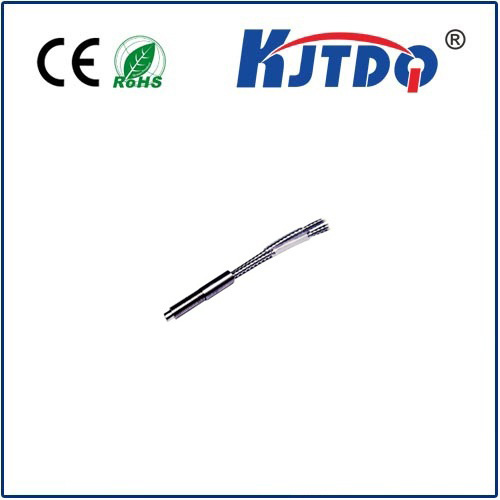
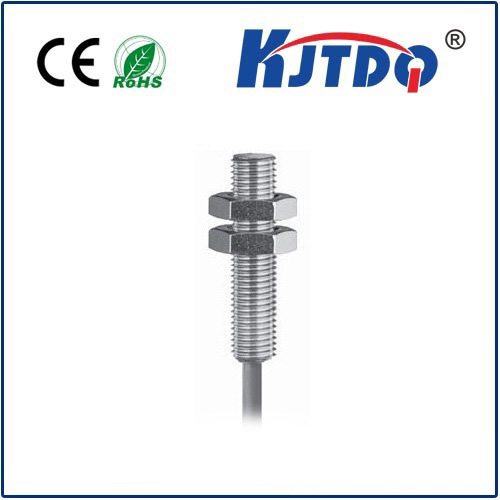
In demanding industrial environments where machinery operates under extreme pressures, the reliability of every component is non-negotiable. The BD1.5-P4-M12S-630 High Pressure Proximity Sensor stands out as a critical solution engineered for precision and durability in these challenging conditions. This sensor is specifically designed to deliver consistent performance where standard sensors might fail, making it an indispensable tool for modern automation and control systems.
The core functionality of the BD1.5-P4-M12S-630 revolves around its ability to detect the presence or absence of metallic objects without any physical contact. Operating on the inductive sensing principle, it generates an electromagnetic field. When a metal target enters this field, it causes a change that the sensor detects, triggering an output signal. What sets this model apart is its robust construction, rated to withstand high-pressure environments commonly found in hydraulic systems, heavy-duty presses, injection molding machines, and offshore equipment. The “P4” designation often refers to a specific pressure rating or protection level, ensuring the sensor’s integrity is maintained even when submerged in fluids or exposed to intense mechanical stress.
Key technical features contribute directly to its operational excellence. The housing is typically crafted from high-grade stainless steel or similarly resilient materials, providing exceptional resistance to corrosion, impacts, and wear. The integrated M12 connector offers a secure, industry-standard connection that simplifies installation and maintenance, reducing system downtime. With a sensing distance optimized for its compact BD1.5 form factor, it allows for flexible mounting in space-constrained applications. The output, often a stable PNP or NPN signal, ensures reliable communication with programmable logic controllers (PLCs) and other control units. Furthermore, its design incorporates advanced sealing technologies, meeting high Ingress Protection (IP) ratings to guard against dust, oil, and high-pressure washdowns.
The practical applications for this high-pressure proximity sensor are vast and varied. In the automotive manufacturing sector, it is deployed within hydraulic stamping presses to monitor piston position and ensure precise metal forming. The oil and gas industry utilizes these sensors on subsea control modules and Christmas trees to provide critical feedback under immense oceanic pressures. Food and beverage processing lines, which require frequent high-pressure cleaning, benefit from the sensor’s ability to maintain functionality in wet, corrosive environments. Additionally, in metalworking and CNC machinery, the BD1.5-P4-M12S-630 ensures accurate tool positioning and part detection, enhancing both safety and production quality.
Selecting the right sensor for high-pressure applications involves careful consideration of several parameters. Engineers must verify the exact pressure rating, often denoted in bar or psi, to match the operational environment. The sensor’s temperature range, electrical specifications (such as voltage supply and output current), and response time are crucial for system compatibility. The mechanical aspects, including thread size, housing shape, and cable or connector type, must align with the physical installation requirements. Consulting the manufacturer’s detailed datasheet for the BD1.5-P4-M12S-630 model is essential to confirm these specifications and ensure optimal integration.
Installation and maintenance, while straightforward, require attention to detail for peak performance. Mounting the sensor securely on a stable surface, ensuring proper alignment with the target object, and avoiding detection of unintended metal surfaces are fundamental steps. Electrical connections must be made according to the wiring diagram, with particular care given to grounding and shielding in electrically noisy environments. Routine maintenance involves periodic checks for physical damage, accumulation of debris on the sensing face, and verification of the output signal integrity. Its rugged design minimizes the need for frequent servicing, but these checks help prevent unexpected failures.
The BD1.5-P4-M12S-630 High Pressure Proximity Sensor represents a significant advancement in industrial sensing technology. By combining precise non-contact detection with exceptional resilience to mechanical and environmental stressors, it provides a reliable foundation for automation systems operating under duress. This reliability translates directly into reduced downtime, lower maintenance costs, and improved overall equipment effectiveness (OEE). For industries pushing the boundaries of pressure and performance, integrating such specialized components is not merely an upgrade but a strategic necessity for achieving operational excellence and maintaining a competitive edge in the global market.