check

check

check

check

check

check
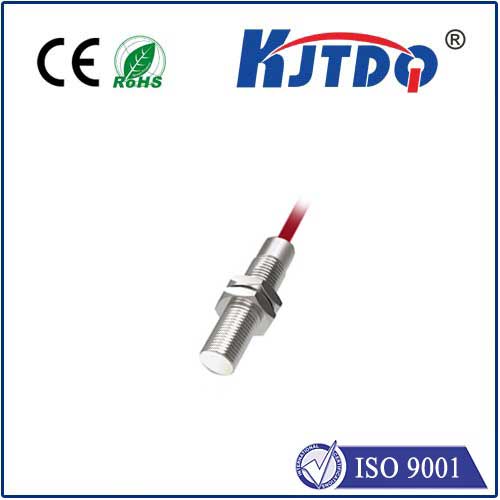
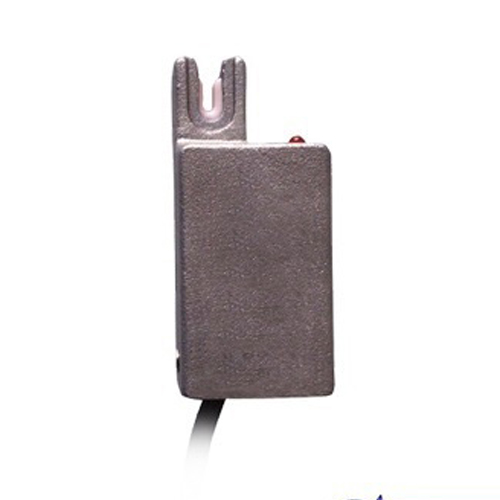
In the world of industrial automation, reliability is not a luxury; it is an absolute necessity. Harsh environments characterized by extreme pressures, contaminants, and mechanical stress demand sensing components that are engineered to endure. The KNYT1.8-M12-PAH-60-10 High Pressure Proximity Sensor stands out as a prime example of such resilience, specifically designed to deliver unwavering performance where standard sensors would falter.
The core challenge in many hydraulic systems, heavy machinery, and press applications is the presence of high-pressure washdowns or operational environments. Fluids under immense pressure can infiltrate conventional sensor housings, leading to corrosion, electrical failure, and costly downtime. The KNYT1.8-M12-PAH-60-10 addresses this challenge head-on with its robust construction. Its key specification—a rated pressure resistance—ensures the internal electronics remain completely isolated and protected from external high-pressure media. This makes it an ideal choice for applications in food and beverage processing (where CIP cleaning is routine), automotive manufacturing, metalworking, and offshore equipment.
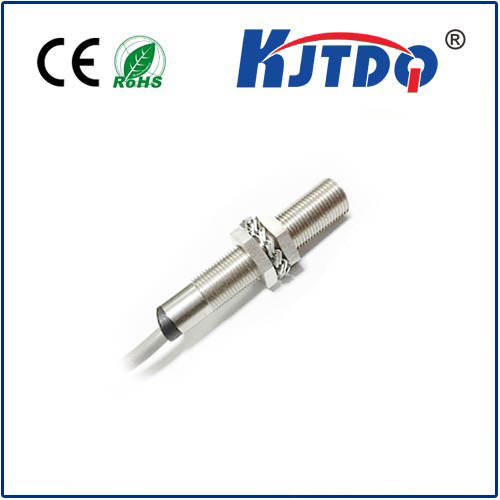
Beyond its pressure resilience, this sensor incorporates an industry-standard M12 connector, facilitating quick and secure installation and integration into existing control systems. The “PAH” designation often refers to its specific sensing characteristics and housing material, typically a high-grade stainless steel or similarly rugged compound, offering excellent resistance to impacts and abrasion. The form factor is compact yet tough, allowing it to be mounted in space-constrained areas without compromising on durability.
Operational performance is precise and dependable. Utilizing an inductive sensing principle, the KNYT1.8-M12-PAH-60-10 provides non-contact detection of metallic targets. This means no physical wear and tear from repeated contact, leading to a significantly longer service life and reduced maintenance. Its switching frequency is robust enough for high-speed production lines, ensuring accurate position feedback for cylinders, valves, or parts presence detection even in rapid cycles. The sensor is designed to maintain a stable signal output, immune to the electrical noise commonly found in industrial settings powered by motors and variable frequency drives.
The benefits of integrating such a specialized sensor extend far beyond mere component replacement. It translates directly into enhanced operational continuity. By eliminating a common point of failure—sensor damage from pressure—facilities can achieve higher overall equipment effectiveness (OEE). Production schedules are protected from unexpected interruptions, maintenance intervals can be planned predictively, and the total cost of ownership is lowered despite a potentially higher initial investment compared to standard models.
When selecting a proximity sensor for demanding applications, specifications are critical. Engineers and maintenance managers must consider not just the sensing distance and output type, but the environmental ratings. The KNYT1.8-M12-PAH-60-10 provides a clear solution for environments where pressure is a constant threat. Its design philosophy prioritizes longevity and reliability, ensuring that the automation backbone of a facility remains strong and responsive.
In conclusion, for systems exposed to high-pressure conditions, opting for a general-purpose sensor is a calculated risk. The KNYT1.8-M12-PAH-60-10 High Pressure Proximity Sensor is engineered as a definitive answer to that risk. It represents a commitment to precision, durability, and uninterrupted productivity, safeguarding valuable machinery and ensuring that industrial processes run smoothly, day in and day out, regardless of the environmental challenges faced.