check

check

check

check

check

check
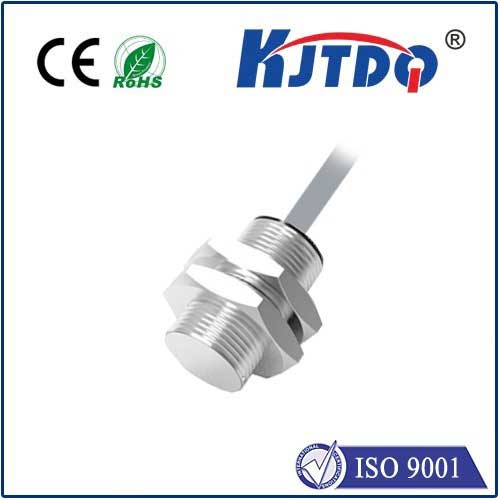
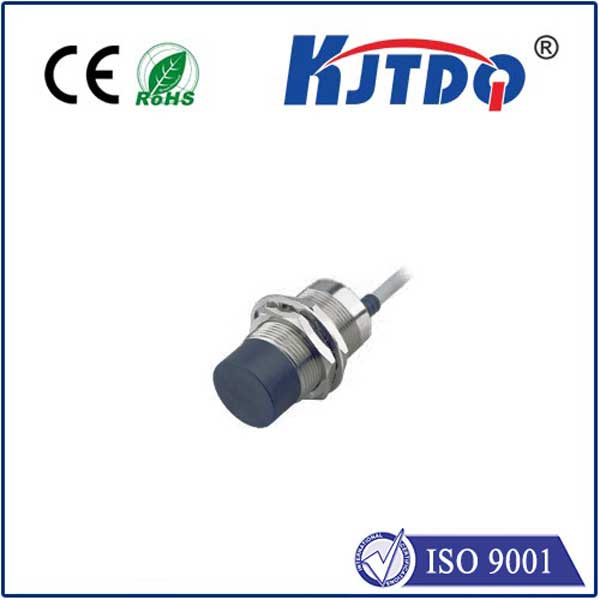
In the complex and often unforgiving world of industrial automation, the reliability of every single component is paramount. A single point of failure can lead to costly downtime, compromised safety, and significant production losses. This is where the BES-516-300-S249-S4-D High Pressure proximity sensor stands out, engineered specifically to deliver unwavering performance under the most extreme conditions. This sensor is not just another component; it is a critical guardian of process integrity, designed to operate flawlessly where others might falter.
The core challenge in many heavy-duty applications, such as hydraulic systems, die-casting machines, injection molding, and high-pressure testing rigs, is the combination of immense pressure and the need for precise, non-contact detection. Traditional sensors can struggle with seal integrity, housing deformation, or signal drift when subjected to continuous high-pressure washdowns or operational stresses. The BES-516-300-S249-S4-D is built from the ground up to conquer these challenges. Its robust stainless-steel housing is rated for high-pressure environments, ensuring that internal electronics remain completely isolated from external contaminants and mechanical forces. This rugged construction guarantees long-term stability and accuracy, which are non-negotiable for maintaining consistent quality and safety standards.
At the heart of its operation is advanced inductive sensing technology. The "S4" designation typically indicates a 4mm sensing range, offering a precise and reliable detection point for metallic targets. This consistent performance is crucial for applications like monitoring piston position in hydraulic cylinders or confirming the closed position of a high-pressure valve. The sensor provides a stable PNP or NPN output (as per the "S249" specification), delivering a clear, unambiguous signal to the programmable logic controller (PLC). This seamless integration into existing control systems simplifies installation and reduces commissioning time, allowing for faster deployment and quicker return on investment.
One of the most critical features of this sensor is its resilience. Industrial environments are fraught with potential hazards: powerful jets of water and cleaning chemicals, airborne particulates like metal shavings and dust, and significant temperature fluctuations. The BES-516-300-S249-S4-D is designed with these realities in mind. Its high ingress protection (IP) rating, likely IP67 or higher, ensures it is completely protected against dust ingress and can withstand temporary immersion in water. This makes it an ideal choice for food and beverage processing, pharmaceutical manufacturing, or any facility requiring rigorous washdown procedures without compromising sensor functionality.
Beyond durability, precision is key. The sensor's ability to maintain its switching point accuracy despite vibrations, pressure spikes, and thermal cycling is what sets it apart. This repeatability ensures that machines operate within their precise parameters cycle after cycle, minimizing waste and preventing malfunctions. For engineers and maintenance teams, this translates to fewer false alarms, reduced unscheduled maintenance, and a significant extension of mean time between failures (MTBF). The reliability of the BES-516-300-S249-S4-D directly contributes to overall equipment effectiveness (OEE), a vital metric for any production-focused operation.
Selecting the right sensor is a strategic decision. The BES-516-300-S249-S4-D High Pressure proximity sensor represents a category of devices where superior engineering meets practical application needs. It is the definitive choice for system integrators and plant managers who prioritize operational continuity and asset protection. By investing in this level of robust sensing technology, businesses safeguard their processes, enhance worker safety by enabling reliable machine state monitoring, and build a foundation for more predictable and profitable manufacturing operations. In an era where efficiency and reliability are the cornerstones of industrial success, this sensor provides the confidence needed to push operational boundaries without fear of component failure.