check

check

check

check

check

check
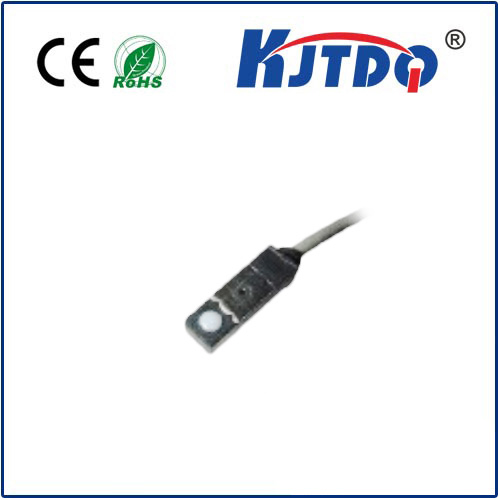
In the demanding world of industrial automation, where machinery operates under extreme pressures and within tight tolerances, the reliability of every component is non-negotiable. The BD2.5-P1-M12S-622 High Pressure Proximity Sensor stands as a critical solution engineered specifically for these high-stakes environments. This sensor is not merely an accessory but a fundamental component designed to ensure operational integrity, safety, and efficiency in applications where standard sensors would fail.
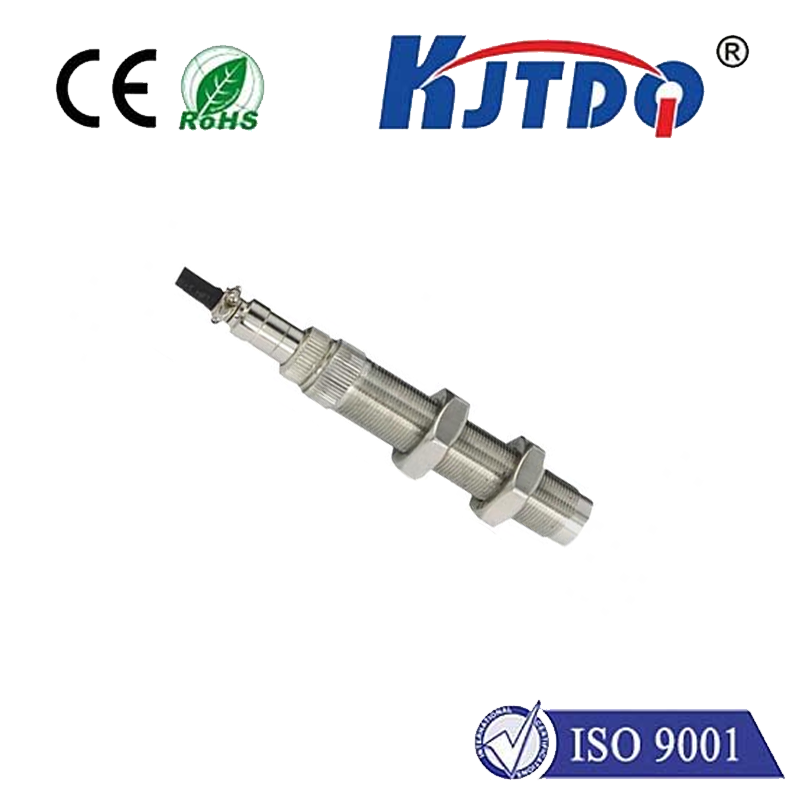
The core of the BD2.5-P1-M12S-622's performance lies in its specialized construction. It is built to withstand and accurately detect targets in environments with significantly elevated ambient pressure. Unlike conventional inductive proximity sensors that may malfunction or provide unreliable readings under such conditions, this model maintains consistent switching accuracy. Its robust housing and sealed design prevent media ingress, ensuring long-term functionality even in the presence of oils, coolants, or other industrial fluids common in hydraulic systems, die-casting machines, or high-pressure processing equipment.
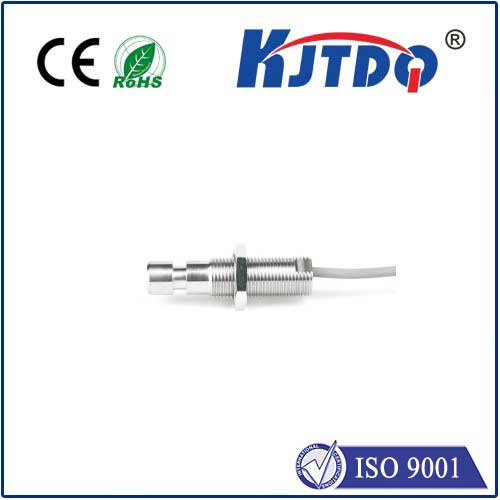
A key feature of this sensor is its M12 connector, which has become an industry standard for its compact size and reliable connectivity. The “P1” in its designation often refers to a specific performance class or output configuration, typically a PNP normally open (NO) output, making it directly compatible with a vast array of programmable logic controllers (PLCs) and control systems without the need for additional interfaces. The 2.5mm sensing distance offers a precise and short-range detection capability, ideal for monitoring piston positions, valve actuation, or the presence of components in confined spaces within pressurized chambers.
The operational benefits of integrating the BD2.5-P1-M12S-622 are substantial. First and foremost, it enhances system safety. By providing a dependable signal for critical positional feedback, it helps prevent machine cycles from proceeding unless conditions are met, reducing the risk of equipment damage or hazardous situations. Secondly, it boosts productivity. Consistent and accurate detection minimizes false trips and unplanned downtime, allowing for smoother, faster, and more reliable automated cycles. This reliability translates directly into reduced maintenance costs and higher overall equipment effectiveness (OEE).
Installation and integration are straightforward. The sensor’s compact cylindrical design allows for easy mounting in space-limited applications. Its high-pressure rating means it can be installed directly into the walls of pressurized vessels or manifolds, providing direct detection without the need for complex and failure-prone mechanical linkages or external sensing systems. This direct integration simplifies machine design and improves system response times.
When selecting a sensor for high-pressure applications, several factors must be considered beyond just pressure rating. Temperature range, material compatibility with media, electrical load requirements, and required switching frequency are all critical. The BD2.5-P1-M12S-622 is designed with these factors in mind, offering a balanced specification sheet that meets the rigorous demands of modern industrial automation. It represents a focused application of sensing technology, where general-purpose solutions are insufficient.
In conclusion, for engineers and system integrators facing the challenge of implementing reliable sensing in high-pressure environments, the BD2.5-P1-M12S-622 High Pressure Proximity Sensor provides a targeted and robust answer. Its specialized design ensures performance where it matters most, safeguarding equipment, optimizing processes, and delivering the unwavering reliability that advanced manufacturing and processing systems require. It is a component that turns a potential point of failure into a pillar of system strength.