check

check

check

check

check

check
In the realm of industrial automation and process control, the ability to accurately detect the presence or position of an object under extreme conditions is not just a convenience—it's a critical necessity. This is where the MFH201 High Pressure Proximity Sensor steps in, a robust solution engineered to deliver unwavering performance where others might fail. Designed specifically for high-pressure environments, this sensor represents a significant leap in sensing technology, offering reliability that engineers and maintenance teams can depend on day in and day out.
The core challenge in high-pressure applications, such as those found in hydraulic systems, heavy machinery, injection molding, or offshore equipment, is maintaining sensor integrity and accuracy. Standard inductive or capacitive proximity sensors can falter under constant exposure to intense pressures, leading to signal drift, physical damage, or complete failure. The MFH201 is built from the ground up to withstand these rigors. Its housing is typically constructed from high-grade stainless steel or similarly durable materials, providing exceptional resistance to mechanical stress and corrosion. This rugged design ensures that the sensor can operate continuously in pressures that would compromise lesser devices, safeguarding both the sensor itself and the broader system it monitors.
What truly sets the MFH201 apart is its sensing principle tailored for high-pressure scenarios. Utilizing a robust technology like magnetostrictive or a specially shielded inductive design, it can reliably detect ferrous or non-ferrous targets through various media and even non-magnetic barrier materials. This capability is crucial in sealed systems where the sensor must be mounted externally on a high-pressure vessel or pipe, detecting the position of an internal piston or valve without direct contact. The result is a non-invasive measurement that preserves system integrity and eliminates potential leak paths. The sensor's electronics are meticulously calibrated to filter out noise and interference common in high-vibration, high-pressure settings, ensuring a clean, stable output signal whether it's a discrete switch signal (PNP/NPN) or an analog current/voltage output.
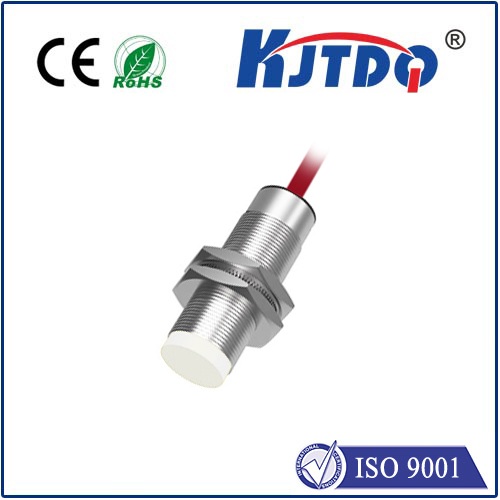
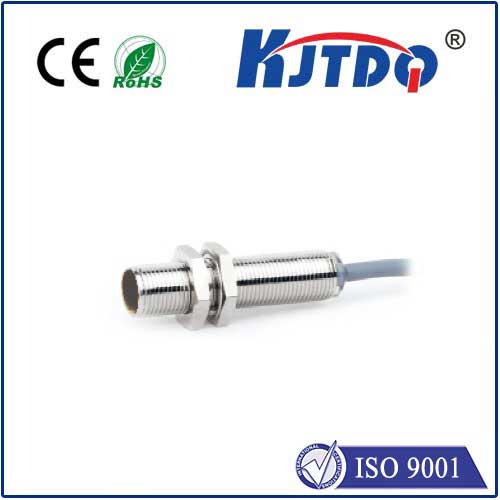
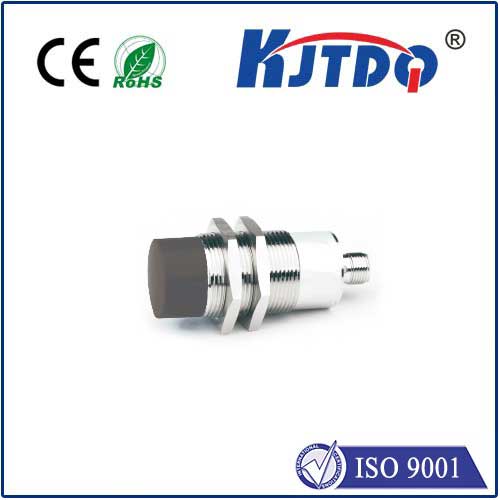
Installation and integration of the MFH201 are streamlined for industrial practicality. Many models feature compact, cylindrical form factors with standard mounting threads (e.g., M12, M18), allowing for easy replacement or upgrade in existing setups. They are often equipped with LED status indicators for quick visual confirmation of operation and switching state. Furthermore, these sensors are designed with wide operating temperature ranges and high ingress protection (IP) ratings, such as IP67 or IP69K, making them resistant to water, oil, and dust ingress—common companions in harsh industrial landscapes alongside high pressure.
The benefits of deploying the MFH201 High Pressure Proximity Sensor translate directly into operational efficiency and cost savings. By providing accurate and fail-safe detection, it prevents machine downtime caused by faulty sensing, which can lead to costly production halts or even safety incidents. Its durability reduces the frequency of sensor replacements, lowering maintenance costs and inventory needs. In precision-controlled processes, the consistent feedback from the MFH201 enables tighter control loops, improving product quality and reducing material waste. From monitoring cylinder end positions in hydraulic presses to ensuring proper closure of high-pressure valves in chemical processing, its applications are vast and critical.
In conclusion, the MFH201 High Pressure Proximity Sensor is more than just a component; it is a dedicated guardian of reliability in the most demanding corners of industry. Its specialized design for high-pressure endurance, combined with accurate sensing and rugged construction, makes it an indispensable tool for engineers seeking to enhance system resilience and performance. As industries continue to push the boundaries of automation under tougher conditions, technologies like the MFH201 will remain at the forefront, ensuring that precision and safety are never compromised by pressure.