check

check

check

check

check

check
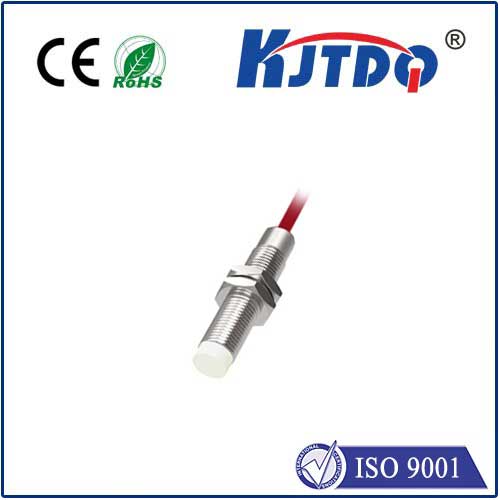
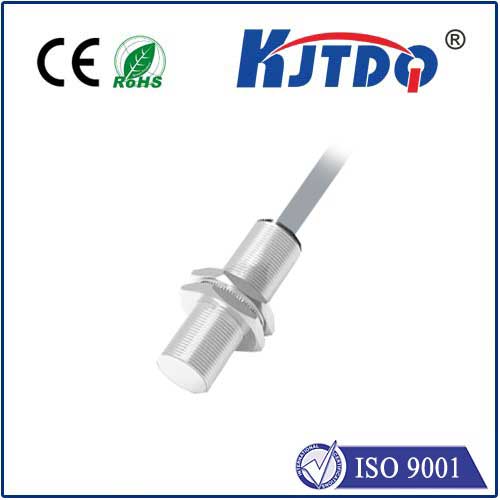
In the complex and often unforgiving world of industrial automation, the reliability of every single component is paramount. A single point of failure can lead to costly downtime, compromised safety, and significant production losses. This is where precision-engineered sensors step in, acting as the critical eyes and ears of modern machinery. Among these, the BES 516-300-S129-S4-D (BHS001E) High Pressure Proximity Sensor stands out as a robust and dependable solution specifically designed to thrive in challenging high-pressure environments.
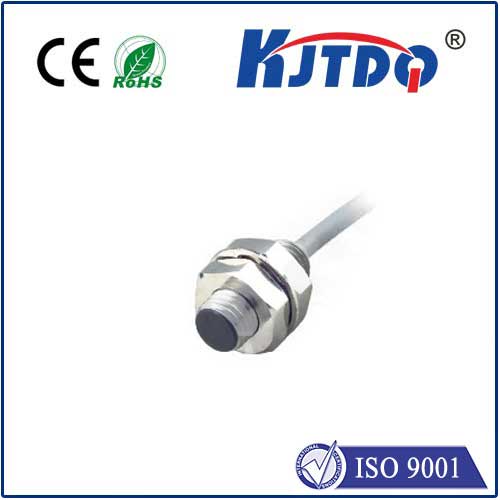
The core function of the BES 516-300-S129-S4-D sensor is non-contact detection. Utilizing a robust inductive sensing principle, it reliably detects the presence or absence of metallic targets without any physical contact. This eliminates mechanical wear and tear, ensuring a long operational life even in applications with constant cycling. The "High Pressure" designation is not merely a label; it signifies a construction built to withstand extreme conditions. The sensor housing is engineered to resist ingress from oils, coolants, and particulate matter, while its internal components are stabilized to perform consistently under significant pressure fluctuations commonly found in hydraulic systems, die-casting machines, and heavy-duty press applications.
What truly sets this model apart are its specific technical characteristics, denoted by its suffix code. The S129 indicates a particular sensing distance and housing style optimized for standard mounting. The S4 typically refers to a specific electrical connection type, often a 4-pin M12 connector, which is an industry standard for ensuring secure, reliable, and quick connections, simplifying installation and maintenance. The "D" often designates a DC (Direct Current) operating model, known for its stable performance and compatibility with a wide range of industrial control systems. This precise configuration, cataloged as BHS001E, guarantees that engineers receive a sensor with exact, known performance parameters, eliminating guesswork during system integration.
The practical applications for the BES 516-300-S129-S4-D are vast and critical. In hydraulic power units, it monitors piston position, ensuring cylinders extend and retract within precise limits, preventing over-travel and potential damage. Within plastic injection molding machinery, it provides crucial feedback on mold clamping force and ejector plate position, essential for both product quality and machine safety. On automated production lines involving stamping or punching, it acts as a vital safety and positioning device, confirming the correct placement of metal sheets or the position of tools before a high-force cycle begins. Its resilience makes it equally suitable for mobile hydraulics in construction equipment, where it must endure constant vibration, shock, and exposure to the elements.
Selecting the right sensor for high-pressure duties involves several key considerations beyond basic detection. The BES 516-300-S129-S4-D addresses these comprehensively. Its high-pressure rating ensures housing integrity, preventing failure or leakage that could lead to system contamination. The choice of materials in its construction resists corrosion from aggressive hydraulic fluids or industrial coolants. Furthermore, its electrical design incorporates protection against common issues like short-circuits, reverse polarity, and electromagnetic interference (EMI), which are prevalent in industrial settings packed with motors and drives. This holistic approach to durability translates directly into reduced maintenance intervals, fewer unplanned stoppages, and a lower total cost of ownership over the sensor's lifespan.
Installation and integration are straightforward, thanks to its standardized design. The compact yet rugged housing allows for flexible mounting in space-constrained locations. The use of a standard M12 connector means cabling is readily available and replacement units can be swapped in with minimal downtime. When integrating, it is crucial to verify the operating voltage (commonly 10-30V DC for D-type models) and ensure the output type (typically PNP or NPN) matches the requirements of the connected programmable logic controller (PLC) or control system. Proper alignment with the target and adherence to the specified sensing distance are simple yet vital steps to guarantee optimal performance from the first moment of operation.
For maintenance personnel and plant engineers, the reliability of the BES 516-300-S129-S4-D sensor means one less component to worry about. Its solid-state design has no moving parts to wear out. Routine maintenance generally involves simply keeping the sensing face clean from accumulated debris or metal chips and periodically checking the integrity of the cable and connection. This low-maintenance profile is a significant advantage in industries where equipment accessibility is limited or where maximizing uptime is the primary operational goal.
In conclusion, the BES 516-300-S129-S4-D (BHS001E) is more than just a sensor; it is a dedicated component engineered for resilience and precision where it matters most. By providing unwavering detection capabilities in high-pressure, contaminant-prone environments, it forms a foundational layer of reliability for complex industrial systems. For engineers designing new machinery or upgrading existing equipment, specifying this sensor model translates to enhanced system integrity, improved safety protocols, and ultimately, a more productive and efficient operation. Its proven performance in the field makes it a trusted choice for ensuring that critical automated processes run smoothly, cycle after cycle, under the most demanding conditions.