check

check

check

check

check

check
In the complex and often unforgiving world of industrial automation, the reliability of every component is paramount. A single sensor failure can lead to costly downtime, production errors, or even safety hazards. For applications involving high-pressure environments, the demands on sensing technology are exponentially greater. This is where the BD3-P2-M14S High Pressure Proximity Sensor from KJTDQ establishes itself not just as a component, but as a critical asset for operational integrity and efficiency.
Engineered to excel where standard sensors falter, the BD3-P2-M14S is specifically designed to deliver unwavering performance under extreme pressure conditions. Its robust housing and advanced internal construction are the result of meticulous design focused on resilience. Unlike conventional inductive sensors that might deform or malfunction when subjected to high external pressures, the BD3-P2-M14S maintains its precise switching characteristics. This ensures consistent detection of metallic targets—whether it's a piston position in a hydraulic press, a valve stem in a high-pressure pipeline, or a component in subsea equipment—without signal drift or false triggers. This reliability translates directly into smoother process cycles, reduced waste, and enhanced machine uptime.
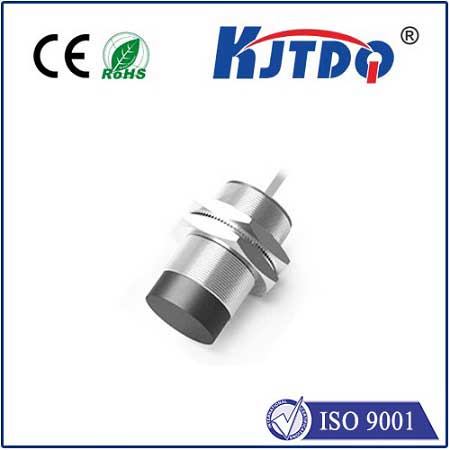
The sensor's P2 performance rating signifies its exceptional resistance to pressure peaks, making it ideal for hydraulic and pneumatic systems where pressure surges are common. The M14S threaded barrel design allows for easy and secure installation in standard mounting holes, simplifying integration into existing machinery. Its compact form factor is a testament to efficient design, providing powerful sensing capabilities without occupying excessive space in crowded control cabinets or tight machine geometries.
A key advantage of the BD3-P2-M14S is its versatility across a broad spectrum of industries. In metalworking and stamping, it reliably monitors tool positions and workpiece presence in high-pressure clamping systems. Within the oil and gas sector, it performs critical detection tasks on drilling equipment and pipeline valves, enduring the harsh conditions with ease. The manufacturing of plastics and composites, which often involves high-pressure injection molding machines, benefits from the sensor's ability to provide accurate cycle control. Furthermore, its durability makes it a suitable choice for heavy-duty mobile machinery like excavators and cranes, where it can withstand constant vibration and environmental stress.
Beyond its core pressure resistance, the sensor incorporates features that address common industrial challenges. It typically offers high electromagnetic compatibility (EMC), ensuring stable operation even in electrically noisy environments filled with variable frequency drives and large motors. Many models in this series are also equipped with advanced diagnostics, such as a stable LED status indicator, which provides immediate visual confirmation of operation and aids in rapid troubleshooting. This focus on maintainability reduces the mean time to repair (MTTR), a crucial factor for minimizing production interruptions.
Choosing the right sensor is a strategic decision that impacts total cost of ownership. While the initial investment in a high-performance sensor like the BD3-P2-M14S may be higher than a standard alternative, the long-term economics are compelling. Its extended service life under duress reduces the frequency of replacements. More importantly, its faultless performance prevents the far greater costs associated with unplanned stoppages, product quality issues, and potential damage to other expensive machinery. It is an investment in predictability and plant-floor peace of mind.
Implementing the BD3-P2-M14S is a straightforward process for engineers and technicians. Its standardized design and clear documentation facilitate quick integration. For optimal performance, it is recommended to ensure the sensing face is properly aligned with the target and that the installation respects the specified pressure and temperature ranges. Regular visual inspections as part of a preventive maintenance routine can help confirm its physical integrity and operational status over years of service.
In conclusion, the KJTDQ BD3-P2-M14S High Pressure Proximity Sensor represents a specialized solution for a critical industrial need. It transcends the basic function of detection by offering a shield against the disruptive forces of high-pressure environments. For engineers and plant managers seeking to fortify their automation systems against failure, enhance process reliability, and achieve a lower total operational cost, this sensor provides a technically superior and economically sound answer. It is the definitive choice for ensuring that sensing accuracy remains uncompromised, no matter the pressure.