check

check

check

check

check

check
In the world of industrial automation, precision, reliability, and durability are non-negotiable. The photoelectric switch stands as a cornerstone technology, enabling countless machines to "see" and react to their environment. Among the myriad of options available, the RL28-55-Z/76a/82b/110/116 photoelectric switch series emerges as a benchmark for performance in demanding applications. This guide delves into the core features, operational principles, and critical applications of this versatile sensor family, providing essential insights for engineers and system integrators.
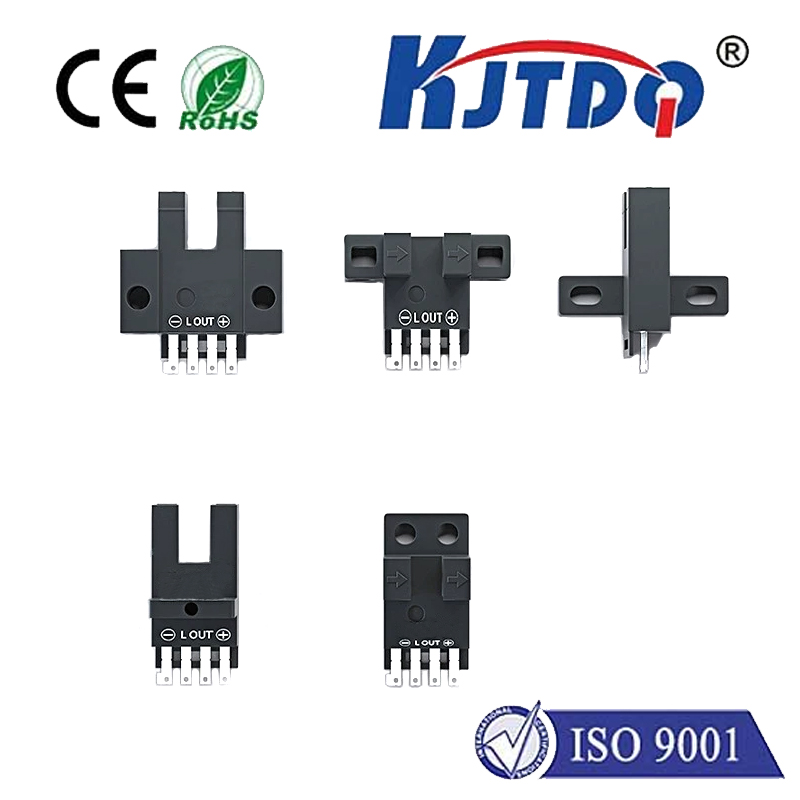
At its heart, the RL28-55-Z/76a/82b/110/116 is a sophisticated through-beam photoelectric sensor. This design consists of two separate units: a transmitter and a receiver. The transmitter emits a focused beam of light, typically from an LED. The receiver, positioned opposite, detects this beam. An object is sensed when it physically interrupts this light path between the two units. This fundamental principle offers significant advantages, primarily exceptional sensing ranges and high immunity to environmental interference like dust, steam, or target object color and reflectivity. The "Z" in the model designation often signifies a particular housing material or a specific variant within the series, built to withstand rigorous conditions.
The alphanumeric codes "76a", "82b", "110", and "116" are crucial identifiers. They typically correspond to specific sensing ranges, measured in millimeters or centimeters. For instance, one variant might be optimized for a 76mm gap, while another is engineered for a longer 116mm range. This allows for precise selection based on the physical layout of the machinery. Choosing the correct model ensures optimal beam alignment and reliable object detection without false triggers. These sensors are engineered with robust housings, often made from high-grade plastics or metals, providing resistance to impacts, vibrations, and occasional splashes, aligning with common IP67 protection standards for dust and temporary immersion.
The operational benefits of implementing the RL28-55-Z series are substantial. Their primary strength lies in consistent long-range detection. Unlike diffuse or reflective sensors, whose effective range can be altered by the color or surface of the target, through-beam sensors provide a stable and long operating distance. This makes them ideal for applications requiring detection across a conveyor belt, inside a packaging machine, or at the entry/exit points of a safety guarding system. Furthermore, their response time is extremely fast, capable of detecting objects moving at high speeds, which is vital in modern high-throughput production lines.
Practical applications for these photoelectric switches are vast and varied. In material handling and packaging, they are indispensable for precise object counting, jam detection, and ensuring correct product positioning on assembly lines. Within the automotive manufacturing sector, they verify the presence of components on robotic arms or confirm the passage of vehicle frames through painting booths. They also play a critical role in security and access control systems, acting as invisible beams to detect intrusions. The specific range variants (76a, 82b, etc.) allow engineers to tailor the sensor to the exact spatial constraints of each unique machine layout.
Installation and alignment, while straightforward, require attention to detail. The transmitter and receiver must be securely mounted in perfect opposition to each other. Many models in this series feature built-in alignment indicators, such as LED lights that change state or brightness when the beam is properly received. This simplifies setup and maintenance. For long-term reliability, regular maintenance involves keeping the optical lenses clean from dirt, oil, or debris that could attenuate the light signal. Ensuring stable power supply within the sensor's specified voltage range is also fundamental to preventing erratic behavior.
When selecting a sensor like the RL28-55-Z/76a/82b/110/116, several factors must be evaluated. The required sensing distance is paramount, dictating which specific model variant is needed. The environmental conditions—temperature extremes, exposure to chemicals, or washdown requirements—must match the sensor's ingress protection and material specifications. The output type (e.g., NPN or PNP transistor) must be compatible with the host programmable logic controller (PLC) or control system. Finally, considering the required response speed and connection method (pre-wired cable or quick-disconnect) completes the selection process.
In conclusion, the RL28-55-Z/76a/82b/110/116 photoelectric switch series represents a robust and highly adaptable solution for industrial sensing challenges. Its through-beam design delivers unmatched reliability for long-range, high-speed object detection across diverse industries. By understanding its specifications, from the sensing range codes to its environmental ratings, professionals can effectively integrate this component into automated systems, enhancing efficiency, safety, and overall operational intelligence. For applications where failure is not an option, this sensor family provides the dependable performance that modern automation demands.