check

check

check

check
check
check
check
check

check

check
In the world of industrial automation and machinery, precision and reliability are not just preferences; they are absolute necessities. The PR18-TM10D photoelectric switch stands as a testament to this principle, offering a robust and dependable sensing solution for a myriad of demanding applications. This comprehensive guide delves into the core features, operational principles, and practical benefits of this advanced sensor, providing valuable insights for engineers, technicians, and procurement specialists seeking to enhance their system's performance.
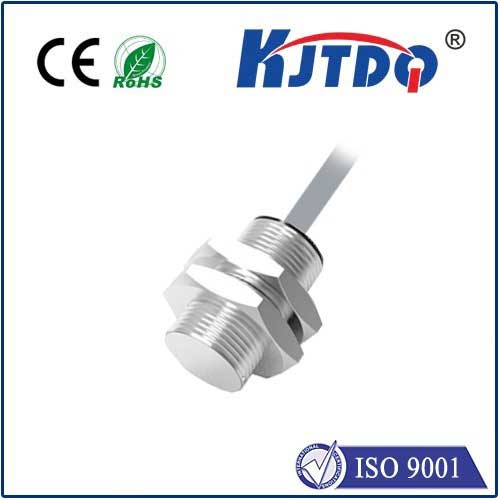
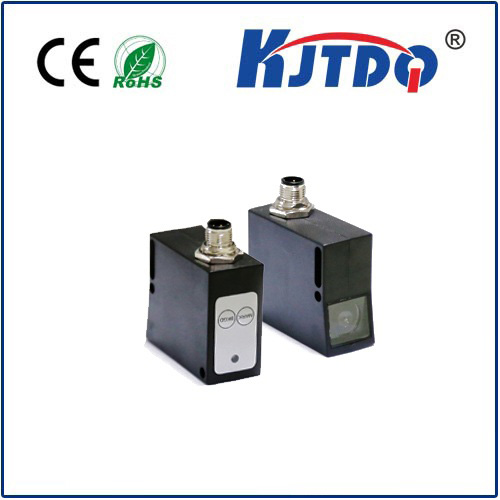
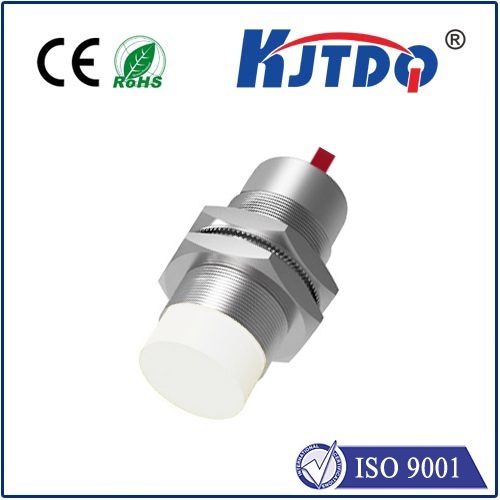
At its heart, the PR18-TM10D is a diffuse reflective photoelectric sensor. It operates on a straightforward yet highly effective principle: it emits a beam of light from its built-in LED and detects the light that is reflected back from a target object. The key to its precision lies in its ability to sense objects within a specific, adjustable sensing range without the need for a separate reflector. This self-contained operation simplifies installation and reduces system complexity. The "TM" in its designation often refers to its tubular metal housing, which provides exceptional durability against physical impacts, vibrations, and harsh environmental conditions commonly found in factories, packaging lines, and material handling systems.
One of the defining characteristics of the PR18-TM10D is its impressive sensing distance. Models in this series typically offer a reliable detection range suitable for medium-range applications, allowing for flexible mounting and object positioning. Furthermore, it incorporates advanced circuitry for background suppression. This crucial feature enables the sensor to intelligently ignore distant background surfaces, focusing only on objects within its preset sensing window. This eliminates false triggers caused by conveyor belts, machine walls, or other stationary objects behind the target, ensuring exceptionally stable and accurate detection, even when objects have varying colors or surface reflectivity.
The output configuration of the PR18-TM10D is designed for seamless integration. It commonly features a solid-state NPN or PNP transistor output, providing a fast, bounce-free switching signal compatible with Programmable Logic Controllers (PLCs), counters, and other control systems. This digital output is known for its long service life, as it contains no moving parts or mechanical contacts that can wear out. Many variants also include a visible LED indicator that provides clear status feedback—showing power-on and output activation—which is invaluable for quick troubleshooting and system verification during setup and maintenance.
Practical applications for the PR18-TM10D photoelectric switch are vast and varied. It excels in object detection on assembly lines, verifying the presence of components, bottles, or packages. It is instrumental in counting parts as they pass a specific point, controlling filling levels by detecting the height of materials in a bin, and ensuring proper positioning in automated machinery. Its rugged metal body makes it ideal for environments with coolant, dust, or oil mist, where plastic-bodied sensors might fail. The simplicity of its two-wire or three-wire connection scheme further accelerates deployment, minimizing downtime during installation or replacement.
When selecting a sensor like the PR18-TM10D, several factors warrant consideration. The operating voltage range must match the plant's control voltage, typically 10-30V DC. The sensing distance should be chosen with a margin to account for potential variations in object size or position. The response time, usually in the millisecond range, must be fast enough for the line speed. Environmental ratings, such as IP67 protection, indicate resistance to dust and temporary water immersion, which is critical for washdown areas or outdoor use. Finally, the output type (NPN sinking or PNP sourcing) must be compatible with the input module of the connected controller.
Maintenance of the PR18-TM10D is minimal but essential for sustained accuracy. Periodically cleaning the lens with a soft cloth prevents false readings caused by dust, dirt, or grime accumulation. Ensuring secure electrical connections and checking for physical damage to the housing or cable are standard preventive measures. Its non-contact sensing nature means there is no mechanical wear on the sensing element itself, contributing to a long operational lifespan and reduced total cost of ownership.
In conclusion, the PR18-TM10D photoelectric switch represents a cornerstone of modern industrial sensing. Its blend of durable construction, intelligent background suppression technology, and reliable performance addresses the core challenges of automated detection. By providing a consistent and accurate digital signal, it forms a critical link in the chain of automation, enhancing efficiency, reducing errors, and supporting the seamless operation of complex industrial systems. For professionals seeking a proven and versatile sensing solution, the PR18-TM10D offers a compelling combination of features that deliver tangible results on the factory floor.