check

check

check

check
check
check
check
check

check

check
In the world of industrial automation and machine control, precision and reliability are non-negotiable. The LGGM20/40 photoelectric switch stands as a cornerstone component for countless applications demanding accurate, non-contact object detection. This comprehensive guide delves into the technology, applications, and critical advantages of this versatile sensor family, providing essential insights for engineers, system integrators, and procurement specialists.
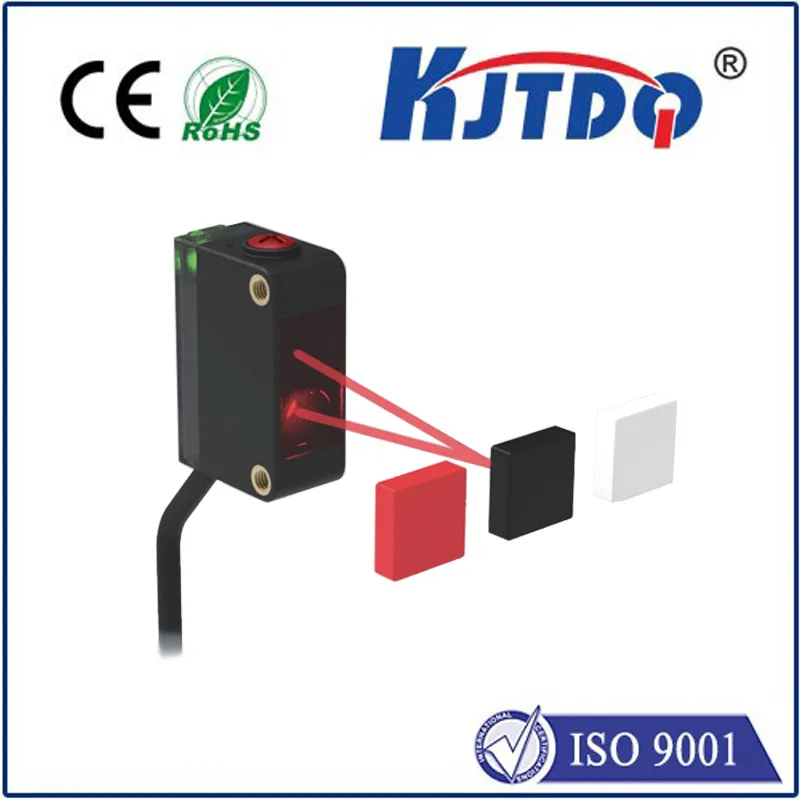
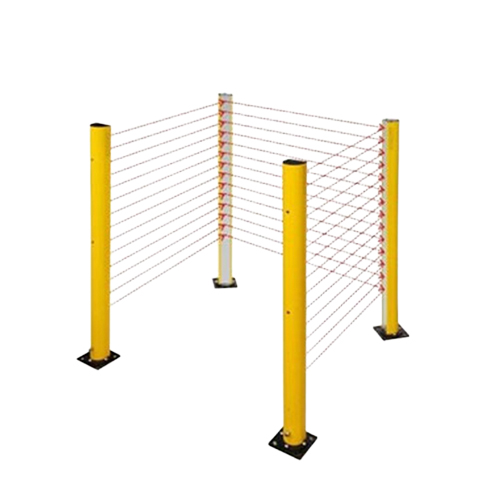
At its core, the LGGM20/40 is a type of through-beam photoelectric sensor. This design consists of two separate units: a transmitter and a receiver. The transmitter emits a focused beam of light, typically from an LED source. The receiver, positioned opposite, detects this beam. An object is sensed when it passes between the two units, interrupting the light beam. This fundamental principle offers significant benefits, including very long sensing ranges, high excess gain for reliable operation in dirty environments, and excellent immunity to target color, reflectivity, or surface finish. Whether detecting clear glass bottles, opaque metal parts, or irregularly shaped objects, the through-beam method provides consistent and dependable performance.
The "20/40" designation often refers to key specifications such as sensing distance or housing dimensions. Models like the LGGM20 may offer a standardized sensing range, while the LGGM40 variant could be designed for extended range or different environmental protections. These sensors are engineered for rugged industrial environments. Common features include robust metal or high-grade plastic housings rated at IP67 or higher, ensuring resistance to dust and temporary water immersion. They are built to withstand vibration, shock, and exposure to common industrial chemicals. Electrical outputs are typically solid-state (PNP or NPN) or relay-based, providing seamless integration with Programmable Logic Controllers (PLCs), motor drives, and other control systems. Many models also incorporate diagnostic LEDs for quick visual status confirmation of power and output state.
The application spectrum for the LGGM20/40 photoelectric switch is remarkably broad. In packaging machinery, they are indispensable for counting products, detecting missing labels, or ensuring proper case sealing by verifying flap position. On conveyor systems, they serve as precise object present sensors for controlling sorting gates, triggering robotic pick-and-place operations, or initiating barcode scanning. Within the automotive industry, these switches monitor part presence in assembly jigs, verify component placement, and ensure safety door closure on automated welding cells. They are equally vital in material handling for palletizing, warehouse automation for guiding AGVs (Automated Guided Vehicles), and in food & beverage production for monitoring fill levels and container positioning.
Selecting the correct photoelectric switch is crucial for system success. For the LGGM20/40 series, key selection criteria include required sensing distance, response speed, output type compatibility with your controller, and the necessary ingress protection rating for the operating environment. Proper alignment during installation is critical for through-beam sensors; mounting brackets and laser alignment tools can greatly simplify this process. Regular maintenance involves keeping the lens surfaces clean from dust, oil, or debris to maintain optimal optical performance. Troubleshooting usually starts with checking power supply connections, verifying alignment, and confirming that the object is indeed interrupting the beam sufficiently.
When compared to other sensing technologies like inductive proximity sensors (which only detect metals) or capacitive sensors, the through-beam photoelectric switch offers unparalleled versatility for non-metallic object detection at distance. Compared to diffuse reflective photoelectric sensors, the through-beam design provides greater reliability and is unaffected by the color or reflectivity of the target, though it requires installation of two separate units.
In conclusion, the LGGM20/40 photoelectric switch family represents a mature, proven solution for industrial sensing challenges. Its through-beam design delivers unmatched reliability for object detection across diverse industries. By understanding its operating principle, key specifications, and ideal applications, professionals can effectively leverage this technology to enhance automation system performance, minimize downtime, and improve overall operational efficiency. For any project requiring robust, long-range, and material-independent sensing, the LGGM20/40 remains a top-tier choice.