check

check

check

check
check
check
check
check

check

check
In the intricate world of industrial automation, the reliability of a single component can dictate the efficiency of an entire production line. Among these critical components, photoelectric switches stand as silent sentinels, enabling non-contact detection with remarkable accuracy. The PR12-TM10DNO photoelectric switch emerges as a standout solution in this category, designed to meet the rigorous demands of modern manufacturing, packaging, and material handling applications. This guide delves into the core features, operational principles, and practical benefits of this advanced sensor, providing a comprehensive overview for engineers and system integrators.
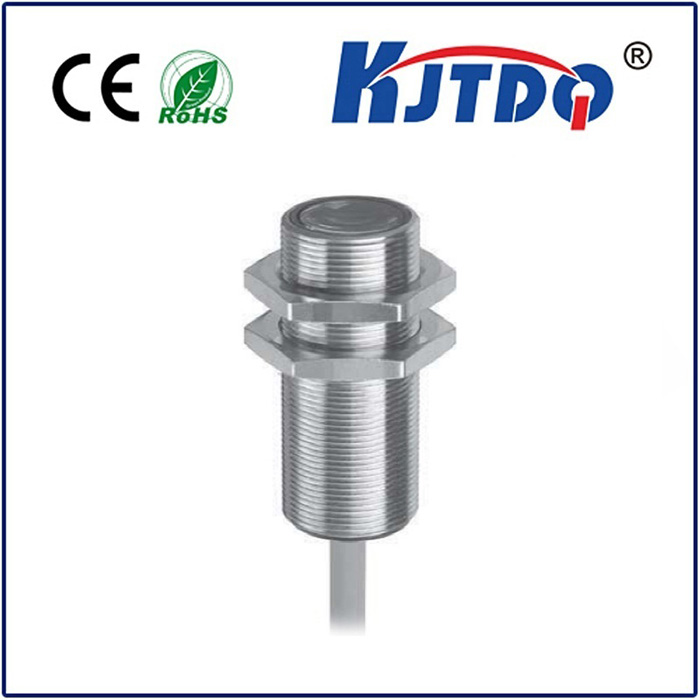
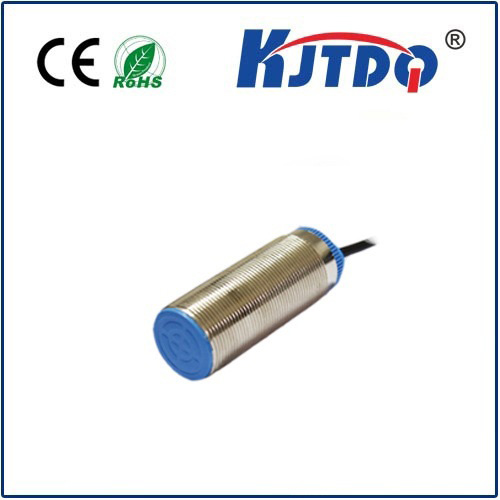
At its heart, the PR12-TM10DNO is a diffuse reflective photoelectric sensor. This means it houses both the light emitter (typically an LED) and the receiver in a single, compact housing. The unit operates by emitting a beam of modulated light—often infrared or visible red—towards a target. When this light strikes an object within its sensing range, it is diffusely reflected back to the receiver. The built-in circuitry then processes this returned signal. A key feature of the “NO” (Normally Open) output configuration in the PR12-TM10DNO is that the output switch remains inactive (open) when no target is detected. Upon sensing an object, the switch closes to complete the circuit, sending a signal to the connected controller, such as a PLC. This straightforward yet highly effective principle allows for the detection of a vast array of objects, regardless of material composition, with consistent reliability.
The designation “PR12-TM10DNO” itself reveals several of its defining characteristics. The compact 12mm barrel-style housing is engineered for easy installation in space-constrained environments. A 10-meter sensing distance provides exceptional flexibility, allowing for detection across wider conveyor belts or in larger machinery setups without the need for sensor repositioning. This extended range, combined with a focused sensing beam, minimizes false triggers from background objects. The device is built to withstand the harsh conditions typical of industrial settings. It commonly features a robust IP67 rating, ensuring complete protection against dust ingress and the ability to withstand temporary immersion in water. This makes it suitable for washdown areas in food and beverage processing or dusty environments in woodworking or mining.
Integrating the PR12-TM10DNO into an automation system offers tangible operational advantages. Its non-contact nature eliminates mechanical wear and tear, leading to a significantly longer service life compared to mechanical limit switches. This translates to reduced maintenance costs and less unscheduled downtime. The precision and speed of detection enable higher throughput on production lines, as machines can respond instantaneously to the presence or absence of components. For instance, on a bottling line, it can accurately count bottles; on a packaging machine, it can verify the correct placement of a product in a carton. The stable performance, unaffected by factors like target color or slight surface variations (within specified limits), ensures consistent process quality. Furthermore, its simple wiring and compatibility with standard 10-30V DC power supplies facilitate quick setup and integration.
When selecting and applying the PR12-TM10DNO, several practical considerations ensure optimal performance. Correct alignment is crucial; the sensor should be mounted securely and aimed directly at the expected target path. Environmental factors such as extreme ambient light, heavy dust, or steam can interfere with the light beam. In such cases, utilizing models with modulated light (like the PR12-TM10DNO) that ignores constant ambient light, or installing protective baffles, can mitigate issues. For highly reflective or dark, absorbent surfaces, fine-tuning the sensitivity potentiometer, which is often available on the sensor body, is essential to achieve a reliable sensing margin. Understanding the load requirements of the connected device is also vital to prevent overloading the sensor’s solid-state output.
In conclusion, the PR12-TM10DNO photoelectric switch represents a blend of robust design, advanced optical technology, and user-centric functionality. It provides a reliable and versatile sensing solution that enhances automation system accuracy, efficiency, and longevity. By understanding its operating principles and following best practices for installation and application, maintenance engineers and automation professionals can leverage this powerful tool to create more responsive, reliable, and productive industrial environments. Its role in enabling seamless, intelligent automation continues to be indispensable across countless sectors.