check

check

check

check
check
check
check
check

check

check
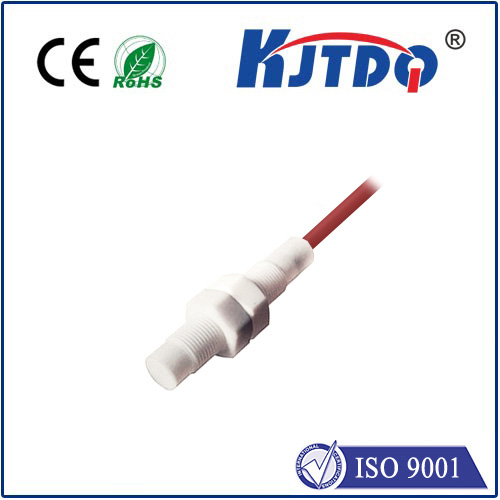
In the complex world of industrial automation, the reliability of a single component can dictate the efficiency of an entire production line. Among the myriad of sensors available, the KT11-50/25/98a/103 photoelectric switch stands out as a paragon of precision and durability. This comprehensive guide delves into the specifics of this advanced sensor, explaining why it has become a preferred choice for engineers seeking unwavering performance in demanding environments.
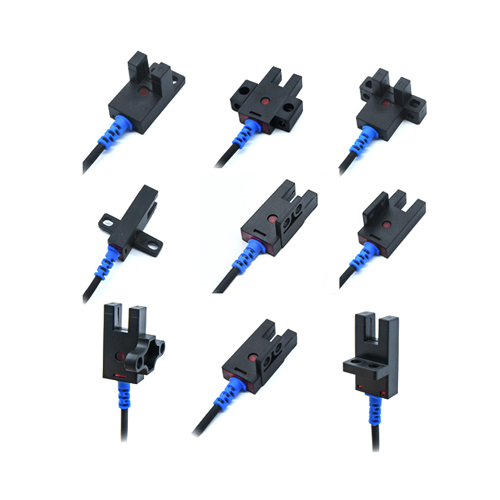
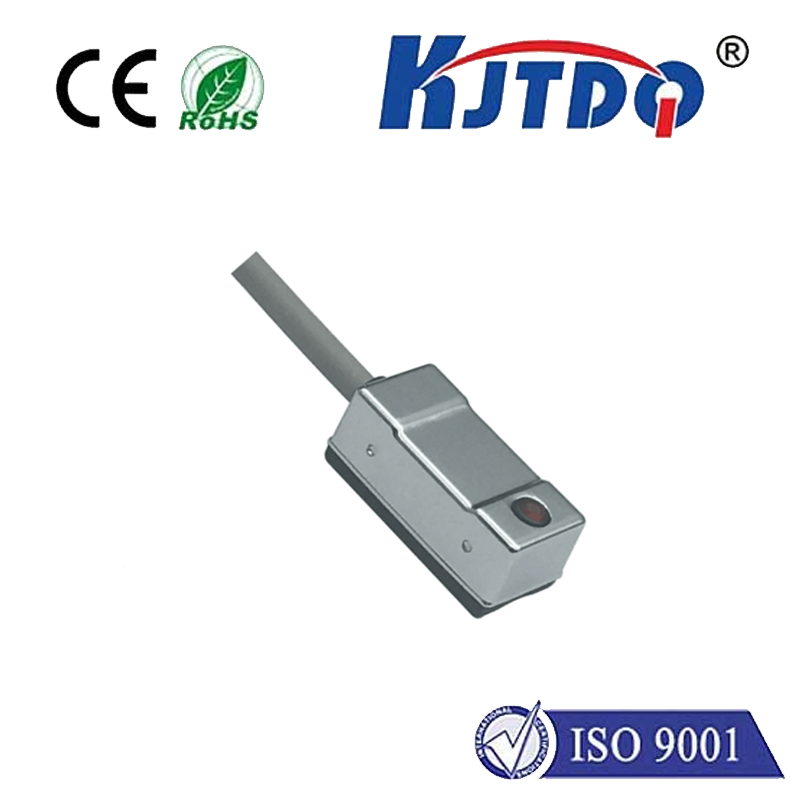
The KT11-50/25/98a/103 is a sophisticated through-beam photoelectric sensor. Its core principle involves a separate emitter and receiver. The emitter projects a focused beam of light—typically infrared or laser—across a defined path. The receiver, positioned opposite, continuously monitors this beam. When an object interrupts this light path, the receiver detects the change and triggers an immediate electrical output signal. This fundamental yet highly effective non-contact method is the cornerstone of its operation. The designation "KT11-50/25/98a/103" is not arbitrary; it encodes critical specifications. The "50" often refers to the sensing distance in millimeters, "25" may indicate the lens diameter or a specific housing feature, while "98a/103" typically defines the electrical output characteristics and connection type, ensuring compatibility with standard control systems.
What truly sets the KT11-50/25/98a/103 apart are its engineered features designed for industrial rigor. It boasts an exceptional sensing range for its compact size, allowing for flexible installation in space-constrained applications. The housing is constructed from high-grade materials, offering robust resistance to dust, moisture, and mechanical impact, often achieving IP67 protection ratings. This makes it perfectly suited for harsh settings like packaging machinery, material handling systems, and automotive assembly plants where contaminants are prevalent. Furthermore, its high switching frequency enables the detection of very fast-moving objects on conveyor belts, ensuring no item goes uncounted or unregistered. The precision of the focused beam provides excellent background suppression, meaning it reliably detects the target object while ignoring more distant surfaces or ambient light interference, a common challenge in busy factories.
The practical applications of the KT11-50/25/98a/103 are vast and critical. On automated assembly lines, it is indispensable for precise object counting, verifying the presence of components before a robotic arm engages, or ensuring proper positioning. In packaging operations, it detects labels, monitors fill levels, and confirms case sealing. Within safety systems, pairs of these switches can create reliable light curtains for machine guarding, instantly halting equipment if a beam is broken. Its reliability translates directly into reduced downtime, fewer production errors, and enhanced overall equipment effectiveness (OEE). For maintenance teams, its consistent performance means fewer emergency call-outs and a lower total cost of ownership over its extended lifespan.
Selecting and installing the KT11-50/25/98a/103 requires attention to detail. First, verify the required sensing distance and ensure the object size is sufficient to interrupt the beam reliably. The environment is crucial; for areas with heavy airborne particulates, the through-beam model is superior to diffuse reflective types. During installation, precise alignment of the emitter and receiver is paramount for optimal function. Mounting brackets should be secure to prevent vibration from misaligning the units. Regular maintenance, though minimal, involves keeping the lenses clean from buildup of oil or dust to maintain signal strength. Always consult the manufacturer's official datasheet for the specific KT11-50/25/98a/103 model to confirm voltage requirements, output configurations (PNP/NPN), and connection diagrams before wiring.
In conclusion, the KT11-50/25/98a/103 photoelectric switch represents a mature, highly optimized solution for industrial detection challenges. Its design prioritizes accuracy, environmental resilience, and seamless integration into control architectures. For system integrators and plant engineers, choosing this sensor is not merely a component selection; it is an investment in process stability and quality assurance. By understanding its capabilities and proper application, businesses can leverage this technology to build smarter, more responsive, and more efficient automated systems, forming the reliable sensory foundation upon which modern industry operates.