check

check

check

check
check
check
check
check

check

check
In the intricate world of industrial automation, precision and reliability are not just desirable—they are absolute necessities. At the heart of countless systems, ensuring smooth operation and safety, lies a critical component: the photoelectric sensor. Among these, the ZL33-3022NH photoelectric switch stands out as a robust and versatile solution for a wide array of detection challenges. This guide delves into the core features, operational principles, and practical applications of this essential device, providing a comprehensive understanding for engineers, technicians, and procurement specialists.
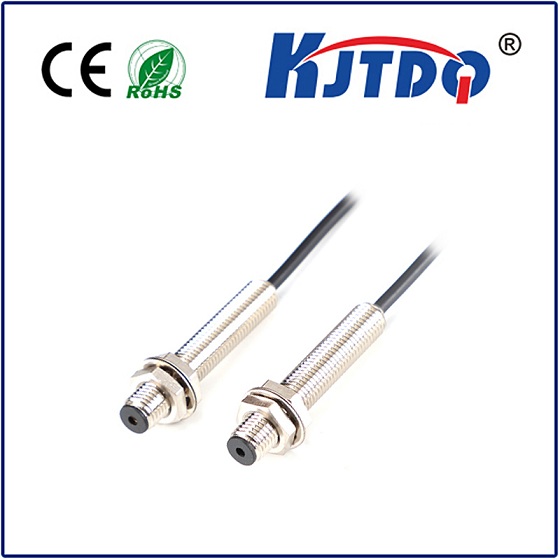
The ZL33-3022NH is a through-beam type photoelectric sensor. This fundamental design is renowned for its long sensing range and high reliability. The system consists of two separate units: a transmitter and a receiver. The transmitter unit emits a focused beam of light, typically infrared or laser, across a designated path. The receiver unit, positioned directly opposite, is dedicated to detecting this specific light beam. The core operational principle is elegantly simple. When the light beam travels uninterrupted from the transmitter to the receiver, the sensor's output remains in its normal state. The moment an object passes through and interrupts this beam, the receiver detects the loss of light signal, triggering an immediate change in the electrical output. This binary, on/off signal is then used to control machinery, count items, or signal a presence.
What sets the ZL33-3022NH apart are its specific engineering characteristics designed for demanding environments. It typically offers a substantial sensing distance, capable of reliable detection over several meters, making it ideal for large-scale applications. The housing is constructed from durable materials, often featuring a rugged metal or high-grade plastic shell with an IP67 or higher protection rating. This ingress protection ensures exceptional resistance to dust and water jets, allowing the sensor to perform consistently in harsh factory settings, outdoor installations, or washdown areas. Furthermore, the ZL33-3022NH is designed with stability in mind. It incorporates advanced circuitry to minimize the effects of ambient light interference, electrical noise, and minor vibrations, guaranteeing a low false-trigger rate. Many models also feature a visible or audible alignment indicator, simplifying installation and maintenance by providing immediate feedback on the beam's status.
The practical applications for the ZL33-3022NH photoelectric switch are vast and span numerous industries. In packaging and material handling, it is indispensable for precise object counting on high-speed conveyor belts, detecting the presence of boxes, and ensuring proper product positioning. Within the automotive manufacturing sector, these sensors are used for robotic guidance, part verification on assembly lines, and safety curtain applications to protect workers. They play a crucial role in warehouse automation, managing inventory by detecting items on shelves and controlling automated storage and retrieval systems. The food and beverage industry relies on their hygienic, sealed design for bottle cap detection, fill level control, and packaging line monitoring. Their long-range capability also makes them perfect for large door detection, vehicle positioning in logistics yards, and even in agricultural machinery for monitoring equipment status.
Selecting and implementing the ZL33-3022NH requires careful consideration of several factors. The primary consideration is the required sensing distance, which must accommodate the physical layout of the application. The size, shape, and material of the target object are also critical; while through-beam sensors are generally less sensitive to surface properties than reflective types, highly transparent or very small objects may require specific beam strengths or lens focuses. Environmental conditions are paramount. Although built to be robust, understanding the levels of dust, moisture, temperature extremes, and potential chemical exposure is necessary for ensuring long-term reliability. Finally, electrical compatibility is essential. The output type (e.g., NPN or PNP transistor, relay) and voltage rating must seamlessly integrate with the existing control system, such as a Programmable Logic Controller (PLC).
For optimal performance, correct installation is key. The transmitter and receiver must be mounted on stable surfaces in perfect opposition to each other. Even a slight misalignment can drastically reduce effective range or cause intermittent operation. Using the provided mounting brackets and taking time to align the units precisely using the built-in indicators will prevent future headaches. Regular maintenance, though minimal, involves keeping the lenses clean from obstructions like dirt, grease, or condensation, and periodically checking the mounting stability and cable integrity.
In conclusion, the ZL33-3022NH photoelectric switch represents a mature and highly effective technology for non-contact detection. Its through-beam design delivers unmatched reliability and range for applications where precision is non-negotiable. By understanding its operating principles, key features like environmental sealing and noise immunity, and its diverse application scenarios, professionals can leverage this sensor to enhance automation efficiency, improve safety protocols, and ensure the seamless flow of operations. When the task demands a dependable sentinel to detect the presence or absence of an object across a distance, the ZL33-3022NH proves to be a fundamental and trustworthy component in the automation toolkit.