check

check

check

check

check

check
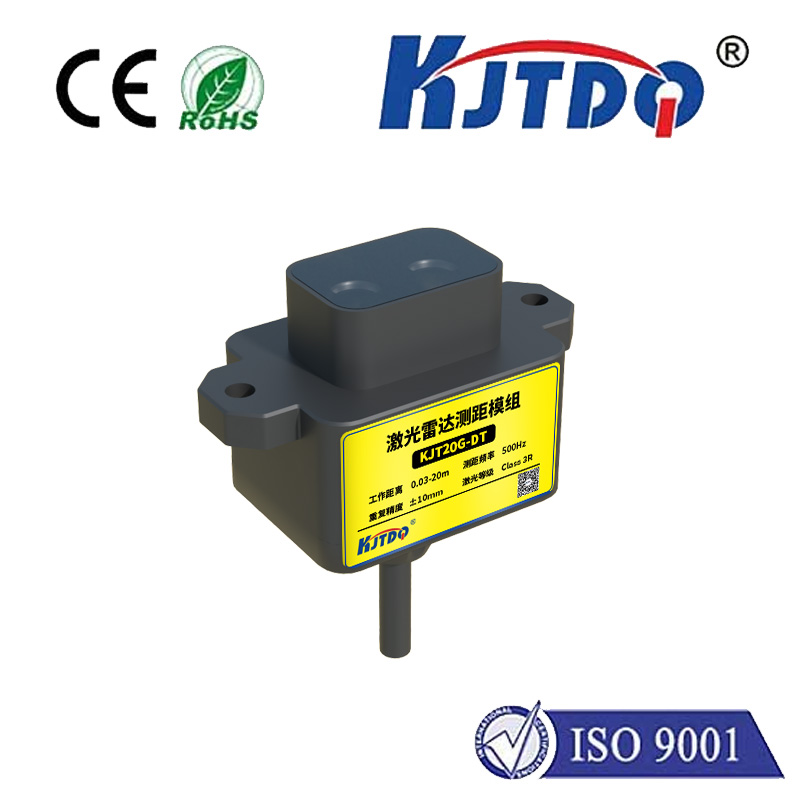
In the realm of industrial automation and precision engineering, the demand for accurate, reliable, and robust measurement solutions is paramount. Among the array of technologies available, laser sensors stand out for their non-contact operation, high speed, and exceptional accuracy. The P3PC202 laser sensor emerges as a sophisticated tool designed to meet these rigorous demands, offering unparalleled performance in diverse applications. This guide delves into the core features, operational principles, and practical uses of this advanced sensor.
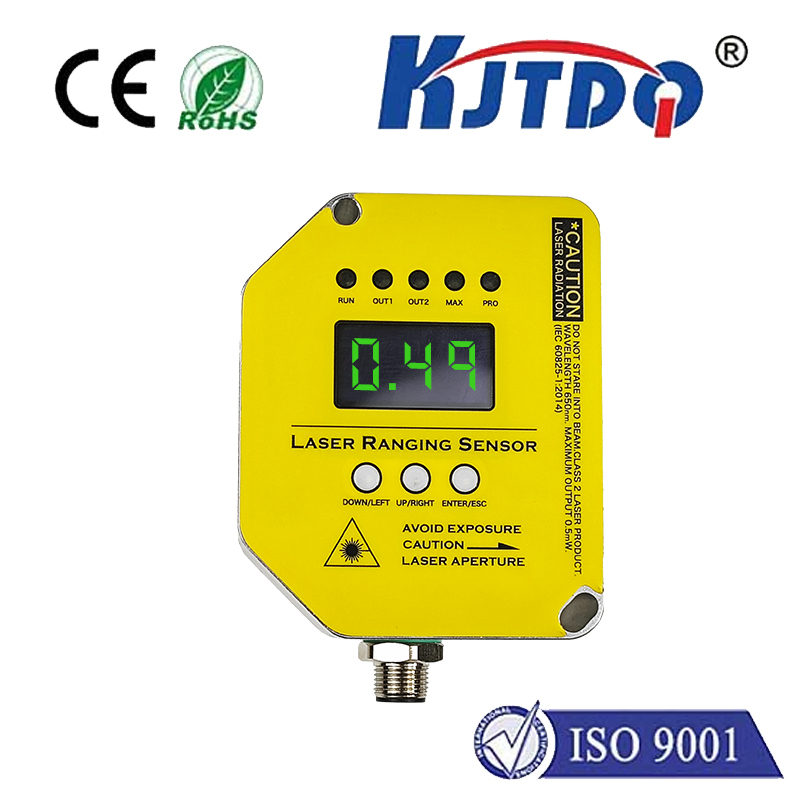
At its heart, the P3PC202 is a laser displacement sensor utilizing the principle of triangulation. It projects a focused, visible red laser beam onto a target surface. The reflected light is then captured by a high-resolution CMOS linear image sensor at a specific angle. By precisely calculating the position of the reflected light spot on the image sensor, the P3PC202 determines the exact distance to the target with micron-level resolution. This non-contact method eliminates issues like mechanical wear, surface damage, and measurement lag associated with traditional tactile probes.
The technical specifications of the P3PC202 are engineered for challenging environments. It typically offers a high sampling rate, allowing for real-time measurement of fast-moving objects on production lines. Its measurement range is carefully calibrated to provide optimal performance within its designated span, ensuring stability and repeatability. Furthermore, advanced models often incorporate features like multi-point measurement, programmable logic, and robust environmental resistance against dust, oil, and ambient light interference. This makes it suitable for everything from clean laboratory settings to harsh factory floors.
Practical applications of the P3PC202 laser sensor are vast and varied across industries. In electronics manufacturing, it is indispensable for measuring component height, coplanarity of BGA chips, and warpage of circuit boards. Within the automotive sector, it ensures precise gap and flush measurements between body panels, verifies tire tread depth, and controls robotic welding paths. In metal processing, it monitors thickness during rolling processes, detects edge positions for cutting, and measures vibration on rotating machinery. Its versatility extends to packaging, where it checks fill levels, monitors seal integrity, and verifies label placement.
Integrating the P3PC202 into an existing system is streamlined through its multiple output options. Users can typically choose from analog outputs (e.g., 0-10V, 4-20mA) for continuous distance data, digital I/O for limit judgments (GO/NG), or high-speed serial communication (like RS-485) for direct connection to PLCs, PCs, or data loggers. This flexibility allows for seamless incorporation into quality control stations, automated inspection systems, and feedback loops for robotic control.
When selecting a laser sensor like the P3PC202, several factors must be considered. The target material and surface finish are critical; glossy or transparent surfaces may require special models with diffused reflection or coaxial lighting options. The required measurement range, resolution, and speed must align with the application's needs. Environmental conditions such as temperature fluctuations, humidity, and potential contaminants should also guide the selection of an appropriately rated housing.
Maintenance for the P3PC202 is generally minimal due to its non-contact nature. However, keeping the lens clean from dust and debris is essential for maintaining optimal performance. Regular calibration checks against a known standard are recommended to ensure long-term accuracy. Most manufacturers provide user-friendly software for configuration, data visualization, and diagnostics, simplifying setup and troubleshooting.
In conclusion, the P3PC202 laser sensor represents a key technological asset for any operation requiring precise dimensional measurement. Its combination of high accuracy, fast response, and environmental durability makes it a reliable solution for enhancing product quality, optimizing production efficiency, and enabling advanced automation. By understanding its capabilities and proper application, engineers and technicians can unlock significant improvements in their measurement and control processes, driving innovation and consistency in modern manufacturing.