check

check

check

check

check

check
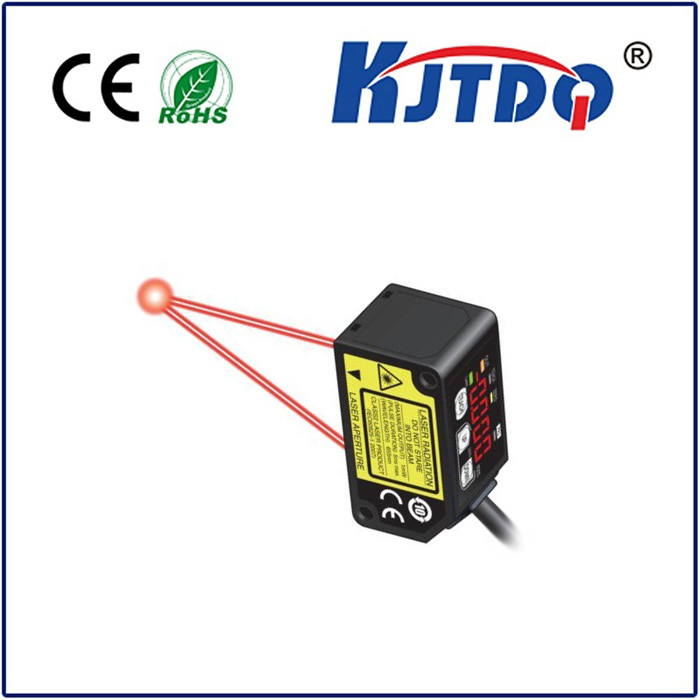
In the demanding world of industrial automation, where precision is not just a preference but a prerequisite for efficiency and quality, the choice of measurement technology becomes paramount. Enter the DME4000-215 laser sensor, a sophisticated device engineered to deliver unparalleled accuracy and reliability in a multitude of challenging environments. This sensor represents a significant leap forward in non-contact measurement, offering solutions that traditional methods struggle to provide.
At its core, the DME4000-215 utilizes a highly focused laser beam to perform precise distance measurements. The principle is based on the time-of-flight or phase-shift method, where the sensor calculates distance by measuring the time it takes for the laser light to reflect off a target and return. This technology allows for rapid, repeatable measurements with micron-level precision, making it indispensable for applications where physical contact is impossible or undesirable. Whether it's monitoring the thickness of moving materials on a production line, verifying the position of robotic arms, or inspecting surface profiles, the DME4000-215 operates with consistent excellence.
One of the standout features of the DME4000-215 laser sensor is its robust design tailored for industrial rigor. It is built to withstand common shop-floor adversaries such as dust, vibrations, and variable lighting conditions. The housing is typically ruggedized, ensuring protection against incidental impacts and environmental contaminants. This durability translates directly into reduced downtime and lower maintenance costs, as the sensor continues to perform reliably over extended periods without frequent calibration or replacement.
The operational versatility of this sensor is another key advantage. It boasts a substantial measuring range, allowing it to be deployed in scenarios requiring both close-quarters detail and longer-range monitoring. The high sampling rate ensures that even fast-moving objects are tracked accurately, capturing data points that slower systems might miss. This capability is critical in high-speed manufacturing processes, such as in the automotive or electronics sectors, where every millisecond and every micrometer counts. Integration is streamlined through standard industrial communication interfaces, enabling seamless connection with PLCs, data acquisition systems, and factory networks.
Practical applications for the DME4000-215 are vast and varied. In the packaging industry, it ensures fill levels are consistent and labels are applied correctly. Within automotive assembly, it verifies component gaps and alignments to stringent tolerances. In logistics, it assists with dimensioning packages for automated sorting systems. Furthermore, its precision aids in quality control processes, identifying defects like warping, dents, or deviations in real-time, thus preventing flawed products from proceeding down the line and saving significant material and reputational costs.
When selecting a measurement sensor, factors like resolution, response time, and environmental rating are crucial. The DME4000-215 laser sensor excels in these areas, offering a compelling combination of high performance and operational resilience. Its design emphasizes user-friendliness, often featuring intuitive setup software and clear status indicators, which simplifies installation and configuration for technicians.
In conclusion, the DME4000-215 laser sensor stands as a testament to advanced engineering meeting practical industrial needs. It moves beyond being merely a component to becoming a foundational element for smart manufacturing and Industry 4.0 initiatives. By providing exact, reliable, and non-contact measurement data, it empowers systems to make intelligent decisions, optimize processes, and uphold the highest standards of product quality. For engineers and operations managers seeking to enhance their automation capabilities, implementing the DME4000-215 is a strategic step towards achieving greater precision, efficiency, and competitiveness in today's fast-paced industrial landscape.