check

check

check

check

check

check
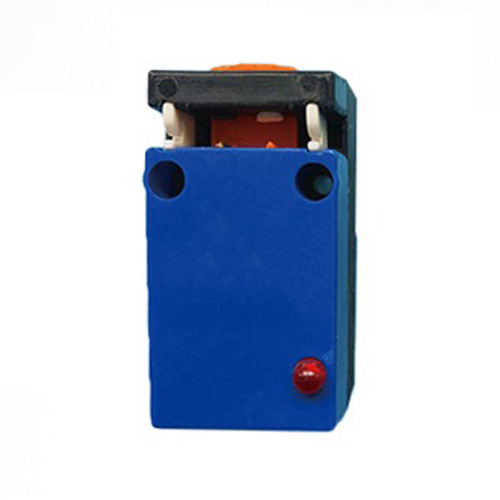
In industrial environments where conveyor systems are operational, safety remains a paramount concern. The ZWL-II-C Pull Cord Switch emerges as a critical component in this landscape, designed to provide an immediate and reliable means of stopping conveyor belts during emergencies. This robust safety device is engineered to prevent accidents, protect personnel, and minimize equipment damage, making it an indispensable part of modern material handling and processing operations.
The fundamental principle behind the ZWL-II-C is straightforward yet highly effective. Installed at strategic intervals along the length of a conveyor belt, the switch is equipped with a prominently accessible pull cord or cable. In the event of an emergency, such as a worker becoming entangled, a material spill, or a mechanical fault, any person along the conveyor line can instantly actuate the system by pulling this cord. This action triggers the switch to cut power to the conveyor drive motor, bringing the entire belt to a rapid and controlled stop. This immediate response capability is crucial for mitigating the severity of incidents and ensuring a safe working environment.
Durability and reliability are hallmarks of the ZWL-II-C design. Constructed to withstand the harsh conditions typical of mining, quarrying, cement plants, and bulk shipping terminals, it often features a heavy-duty, corrosion-resistant enclosure. The internal mechanism is built for longevity and consistent performance, capable of enduring constant vibration, dust, moisture, and extreme temperature fluctuations. Many models are certified to meet stringent international safety standards, providing operators with confidence in their safety infrastructure.
Installation and maintenance are streamlined for efficiency. The switch is typically mounted on the conveyor frame, with the pull cord running parallel to the belt at a safe and accessible height. Its design often includes a visible flag or indicator that shows whether the switch has been activated, allowing for quick identification of the trip location after an emergency. Resetting the device is usually a simple, manual process once the hazardous condition has been resolved, ensuring minimal downtime.
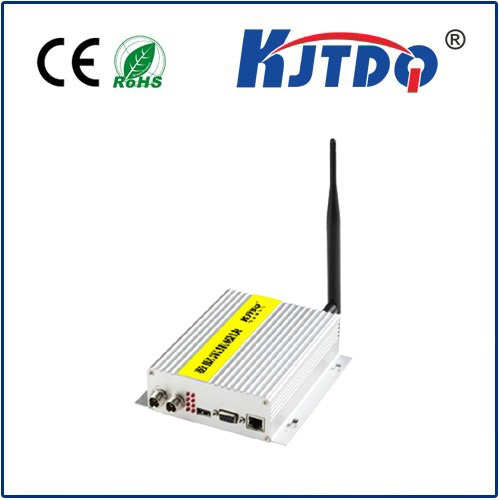
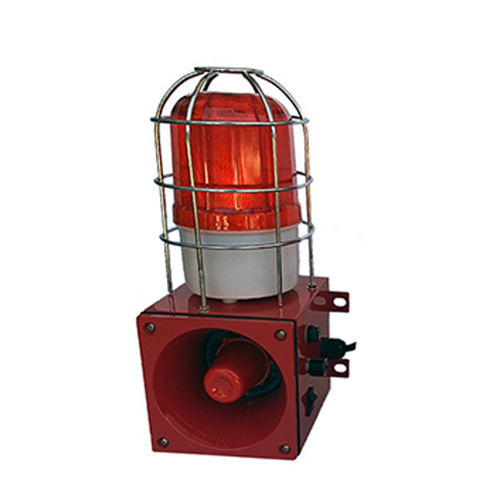
Beyond basic emergency stopping, the ZWL-II-C can integrate into broader plant safety and control systems. It can be connected to alarm panels, programmable logic controllers (PLCs), or centralized monitoring systems to provide immediate auditory and visual alerts, pinpoint the exact location of the emergency stop, and even log incident data for analysis and preventive maintenance. This integration enhances overall operational safety management.
Choosing the right pull cord switch involves considering factors such as conveyor length, environmental hazards, required safety certification levels, and the necessary contact configuration for the control circuit. The ZWL-II-C model is recognized for offering a balance of robust construction, dependable operation, and compliance with industry norms.
In conclusion, the ZWL-II-C Pull Cord Switch is not merely an accessory but a fundamental safety imperative for any conveyor system. Its presence embodies a commitment to workplace safety, providing a simple, direct, and fail-safe method for personnel to intervene in dangerous situations. By ensuring the immediate cessation of conveyor motion, it protects human lives, safeguards valuable assets, and contributes to a culture of safety and responsibility in industrial operations worldwide. Regular testing and maintenance of these devices are as essential as their installation, guaranteeing they function flawlessly when seconds count the most.