check

check

check

check

check

check
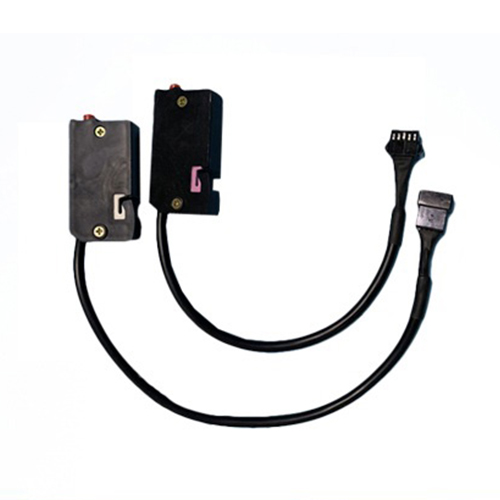
In industrial environments where conveyor belts, machinery lines, and automated systems operate continuously, emergency stop mechanisms are not just accessories—they are lifelines. The WLK-R22/WS pull cord switch stands as a critical component in this safety ecosystem, designed to provide immediate and reliable shutdown capabilities to prevent accidents, protect equipment, and save lives. This robust device is engineered to meet the rigorous demands of mining, material handling, packaging, and other heavy-duty sectors where operational safety is paramount.
The fundamental principle of the WLK-R22/WS is straightforward yet vital. Installed along the length of a conveyor belt or machinery, it features a prominently accessible pull cord. In the event of an emergency—such as a worker entanglement, material spillage, or equipment malfunction—any personnel can quickly activate the switch by pulling the cord. This action instantly cuts power to the drive motor, bringing the entire system to a halt. This "fail-safe" design ensures that the default state in an emergency is a complete stop, minimizing the risk of injury or further damage.
What sets the WLK-R22/WS apart is its durability and adaptability. Constructed with a heavy-duty, corrosion-resistant enclosure, typically from robust materials like aluminum or stainless steel, it withstands harsh conditions including dust, moisture, vibration, and extreme temperatures. The internal mechanism is designed for high mechanical life, ensuring consistent performance over thousands of actuations. Many models come with a dual-action functionality: the initial pull triggers the emergency stop and often illuminates a visual indicator or sounds an alarm, while a manual reset is required to restart the system. This reset feature is crucial, as it prevents automatic restarting and forces a safety check before operations resume.
Installation and integration are streamlined for efficiency. The switch can be mounted at strategic intervals along a conveyor, creating multiple accessible emergency points. It is easily wired into the machine's control circuit, compatible with standard safety relay systems. Regular testing and maintenance are simple, involving a routine pull-test to verify the switch's operational integrity and the condition of the cord itself. This proactive approach is a cornerstone of modern safety protocols, ensuring the device functions flawlessly when seconds count.
Beyond its core function, the WLK-R22/WS embodies the principle of proactive risk management. Its presence alone enhances workplace safety culture, reminding operators of available emergency controls. For facility managers and safety officers, deploying such certified safety components is often part of compliance with international standards like ISO 13850 (Safety of machinery — Emergency stop function — Principles for design) and various regional occupational safety regulations. Investing in reliable components like the WLK-R22/WS is an investment in operational continuity, workforce protection, and corporate responsibility.
In conclusion, the WLK-R22/WS pull cord switch is more than a simple switch; it is an indispensable guardian in industrial settings. By providing a reliable, durable, and instantly accessible means to halt dangerous situations, it forms a critical layer of defense within any comprehensive safety strategy. For industries prioritizing zero-harm policies and efficient operations, integrating such proven safety devices is a non-negotiable step toward a safer and more productive future.