check

check

check

check

check

check
In industrial environments where conveyor belts are the lifelines of material handling, operational safety is non-negotiable. The Z-15GQ-B Pull Cord Switch, often categorized under the KJTDQ series of safety components, stands as a critical guardian against potential hazards. This robust emergency stop device is engineered to provide a reliable and immediate means to halt conveyor operations in case of an emergency, ensuring the protection of both personnel and equipment.
The fundamental principle of the Z-15GQ-B is elegantly simple yet profoundly effective. Installed along the length of a conveyor belt, typically on one or both sides, it features a prominently accessible pull cord or cable. This cable runs parallel to the conveyor and is connected to the switch mechanism. In the event of an emergency—such as a worker becoming entangled, a material spill, or detecting equipment malfunction—any person along the belt's path can quickly pull this cord. This action mechanically activates the internal switch, sending an immediate stop signal to the conveyor's motor control circuit. This failsafe operation is designed to function independently of the main control system, ensuring a halt even if other systems fail.
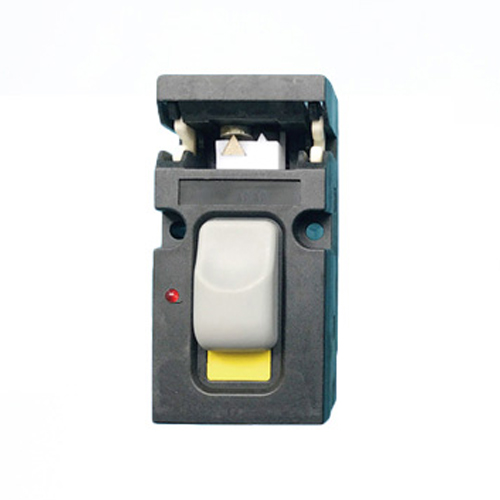
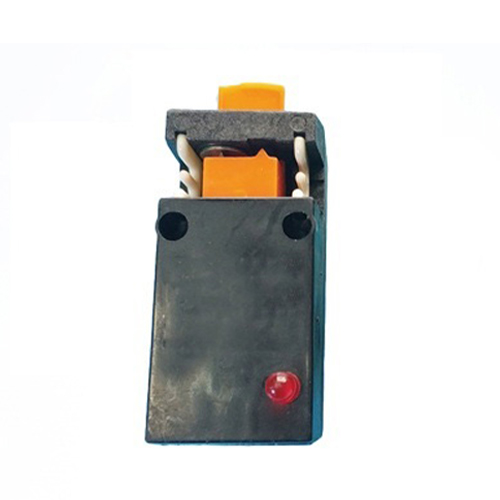
What sets the Z-15GQ-B model apart are its specific design features tailored for harsh industrial use. Constructed with a durable, often corrosion-resistant metal or high-strength polymer housing, it is built to withstand dust, moisture, vibration, and extreme temperatures commonly found in mining, quarrying, aggregate processing, and bulk shipping facilities. The switch mechanism itself is designed for high reliability with a positive break action, ensuring clear electrical contact separation when activated. Many models come with a manual reset function; after the emergency is resolved and the pull cord is reset, an operator must manually reset the switch at the device itself to restart the conveyor. This prevents accidental or unauthorized restarts, adding another layer of safety.
Installation and maintenance are straightforward but crucial for optimal performance. The Z-15GQ-B switches should be positioned at regular intervals, as per safety regulations like those from MSHA or OSHA, ensuring that a pull cord is always within easy reach of any worker along the conveyor. The cable must be kept taut and free of obstructions. Regular testing is mandatory. This involves simulating a pull-cord activation during scheduled downtime to verify that the switch cleanly breaks the circuit and initiates the conveyor stop sequence. Visual inspections for physical damage, corrosion, or cable wear are also part of essential preventative maintenance.
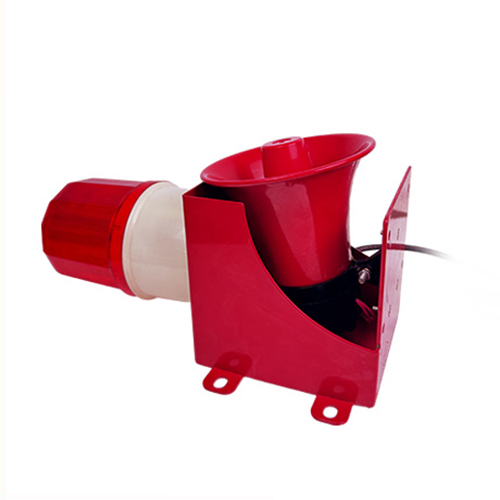
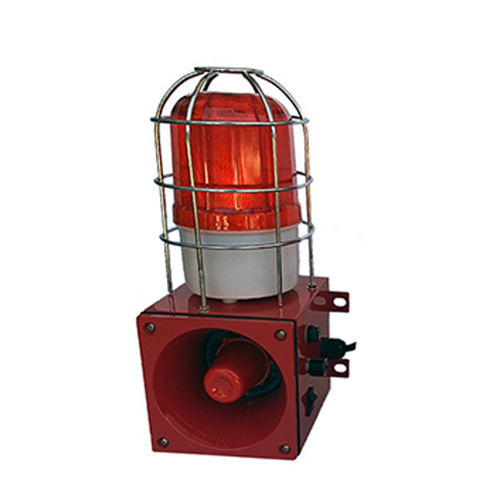
Beyond basic emergency stopping, integrating the Z-15GQ-B into a broader safety system amplifies its value. It can be connected to central control panels, PLCs (Programmable Logic Controllers), or alarm systems. Upon activation, it can not only stop the local conveyor but also trigger upstream and downstream equipment stoppage, activate audible and visual alarms, and even send alerts to maintenance teams. This integrated response minimizes risk propagation and speeds up emergency resolution.
For facility managers and engineers, selecting the right pull cord switch is a key safety decision. The Z-15GQ-B, as part of the KJTDQ family, typically signifies a specific set of specifications regarding voltage/current ratings, enclosure protection (IP rating), mechanical life, and certification standards (such as CE or ATEX for hazardous areas). Choosing a model that matches the environmental challenges and electrical requirements of the application is paramount. It is not merely a component purchase but an investment in workplace safety culture and regulatory compliance.
In conclusion, the Z-15GQ-B Pull Cord Switch is far more than a simple mechanical lever. It is a vital, last-line-of-defense safety device that empowers every worker to act decisively in an emergency. Its robust construction, reliable operation, and ease of integration make it an indispensable element in modern industrial material handling systems. By ensuring its proper selection, installation, and maintenance, companies uphold their highest duty: protecting their workforce and ensuring continuous, safe operations.