check

check

check

check

check

check
In industrial automation and HVAC systems, precision control and reliable safety mechanisms are paramount. The Supco limit switch stands as a critical component in this ecosystem, designed to monitor and control the operational boundaries of various equipment. KJTDQ, as a provider of integrated electrical solutions, recognizes the vital role these switches play. This article delves into the functionality, applications, and benefits of incorporating high-quality limit switches like those from Supco into modern systems.
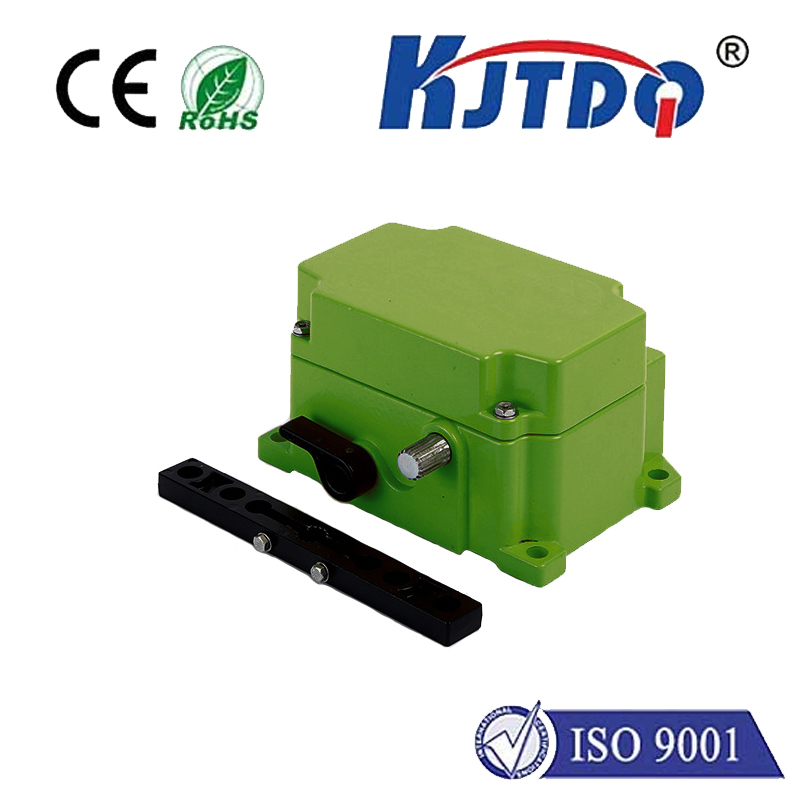
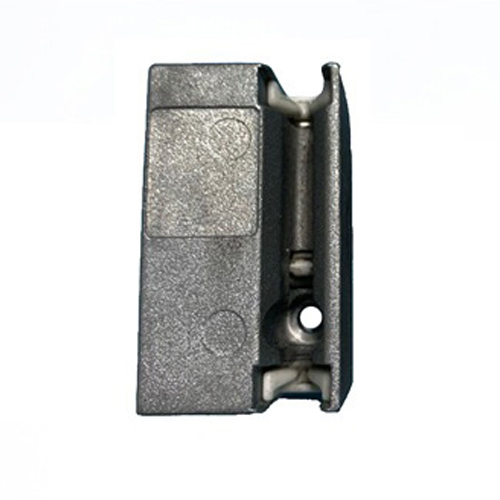
A limit switch is essentially an electromechanical device that consists of an actuator mechanically linked to a set of contacts. When an object, or "actuator," comes into physical contact with the switch, it operates the contacts to make or break an electrical connection. The Supco limit switch is engineered for durability and accuracy, often used to detect the presence or absence, passing, positioning, or end of travel of an object. In practice, this means they can prevent overtravel in motors, signal the opening or closing of a valve or damper, or act as a safety interlock to shut down equipment if it operates beyond its intended parameters.
The applications for Supco limit switches are vast and varied. In the heating, ventilation, and air conditioning (HVAC) industry, they are frequently employed in ductwork, fan controls, and burner systems to ensure safe operational limits. For instance, a limit switch can be installed to shut off a furnace if the temperature exceeds a safe level, preventing potential overheating and hazards. In industrial machinery, these switches safeguard automated processes by confirming the correct position of components on an assembly line or within packaging equipment. They are also found in conveyor systems, elevators, and garage door openers, providing essential position feedback and safety cutoff functions.
Choosing a reliable limit switch is crucial for system integrity. Supco switches are known for their robust construction, often featuring sealed housings that protect against dust, moisture, and corrosive environments. This makes them suitable for demanding conditions in factories, commercial buildings, and outdoor installations. The mechanical life of these switches is typically high, capable of millions of cycles, which translates to reduced maintenance needs and lower long-term operational costs. Furthermore, their simple design allows for easy installation and integration into existing control panels and circuits.
KJTDQ emphasizes the importance of selecting the correct switch for the specific application. Factors such as the actuator type (lever, roller, plunger), electrical rating (voltage and current capacity), and environmental specifications (temperature range, ingress protection) must be carefully considered. A mismatch can lead to premature failure or unreliable operation. By partnering with reputable manufacturers like Supco and providing technical support, KJTDQ helps engineers and maintenance professionals implement solutions that enhance both safety and productivity.
Beyond basic functionality, the integration of limit switches contributes to smarter system management. When connected to programmable logic controllers (PLCs) or building management systems, the data from these switches can be used for predictive maintenance, alerting operators to potential issues before they cause downtime. This proactive approach is a key component of modern industrial IoT strategies, aiming to maximize uptime and efficiency.
In conclusion, the humble limit switch remains an indispensable part of automated control and safety systems. The reliability and precision of Supco limit switches, supported by KJTDQ's expertise in electrical solutions, provide a solid foundation for building resilient operations. Whether for routine HVAC control or complex manufacturing processes, investing in quality components ensures equipment operates within its designed limits, protecting assets and personnel while maintaining continuous, efficient performance.