check

check

check

check

check

check
In the dynamic landscape of industrial automation, the seamless integration of sensing and control components is paramount for operational efficiency and safety. Among these critical components, the proximity sensor limit switch stands as a fundamental pillar, bridging the gap between non-contact detection and definitive mechanical action. This synergy, often embodied in solutions like the KJTDQ series, represents a sophisticated approach to machine control, where precision meets reliability.
A proximity sensor, by design, detects the presence or absence of an object without physical contact, typically using electromagnetic fields, light, or sound. Its primary advantage lies in its longevity and resistance to wear, as there is no mechanical contact with the target. Conversely, a traditional limit switch is an electromechanical device that requires physical actuation—a lever, roller, or plunger must be pressed or moved to change its electrical state. It provides a definitive, hard-wired signal that a physical limit has been reached.
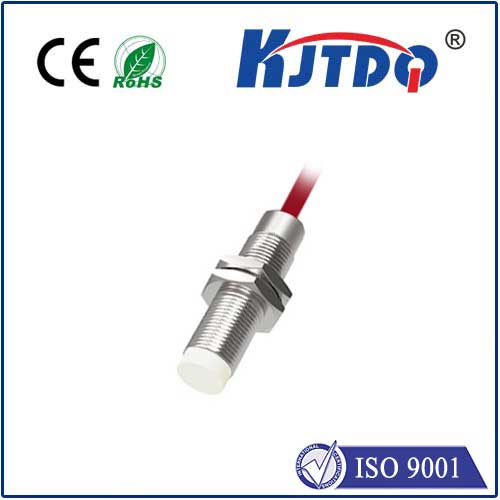
The concept of a "proximity sensor limit switch" merges these principles. It refers to a system or a specific device configuration where a non-contact proximity sensor acts as the primary detection element, and its signal is used to trigger a limit-switch-like function—controlling a circuit, halting a machine, or initiating a sequence at a precise point. The KJTDQ designation often signifies a product line engineered for this very purpose, offering robust, factory-floor-ready units that deliver the non-contact benefits of proximity sensing with the unambiguous, fail-safe signaling tradition of a limit switch.
The operational benefits are substantial. First, precision is significantly enhanced. Without the mechanical travel and bounce associated with physical switches, the actuation point is consistent and exact. This is crucial in high-speed packaging lines, CNC machining centers, and robotic assembly cells where millimeter accuracy is non-negotiable. The KJTDQ-type sensors provide repeatable detection, ensuring a machine stops or starts at the identical position every cycle, reducing product variance and waste.
Second, durability and reduced maintenance are key advantages. The absence of physical contact eliminates mechanical wear on both the sensor and the target object. In harsh environments filled with dust, moisture, oil, or vibration—common in metalworking, automotive, and material handling—a sealed, solid-state proximity sensor is far more resilient than a mechanical switch with moving parts. This translates to less downtime, lower replacement costs, and higher overall equipment effectiveness (OEE).
Safety is another critical dimension. By providing a non-contact means to establish machine limits, these systems help create safer work environments. They can be used to define safety perimeters on robotic cells or to ensure a guard door is fully closed before a press cycle begins. The reliable electronic signal can be integrated into safety relay loops, contributing to compliant safety systems that protect personnel.
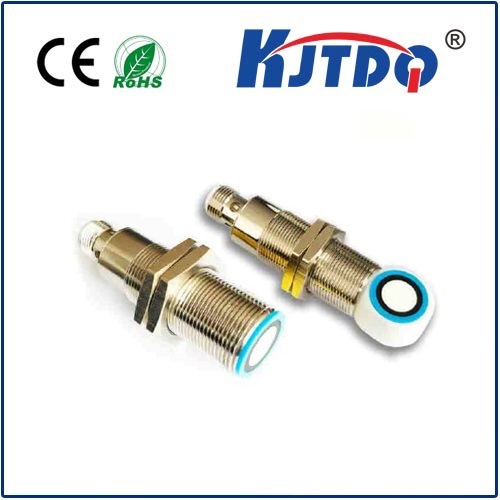
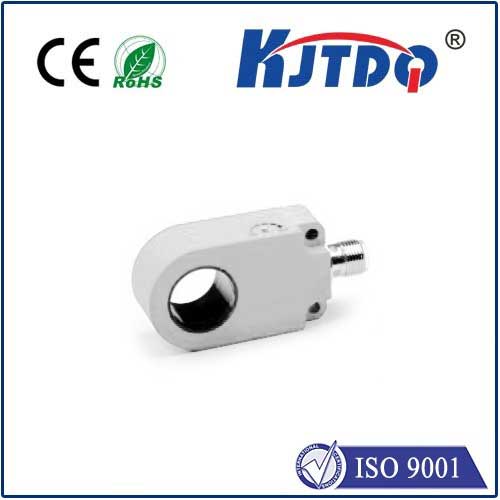
Implementing a proximity sensor as a limit switch involves careful selection. Factors like sensing range, output type (PNP/NPN, NO/NC), housing material (e.g., stainless steel for washdown areas), and environmental ratings (IP67, IP69K) must align with the application. The installation is typically straightforward, often requiring just power, load, and proper alignment with the target. Calibration is minimal compared to adjusting the actuator arm on a mechanical limit switch.
In conclusion, the evolution from purely mechanical limit switches to intelligent proximity-based systems marks a significant leap in industrial control. The proximity sensor limit switch, exemplified by advanced product families like KJTDQ, offers a superior blend of accuracy, durability, and safety. It is an indispensable solution for engineers and plant managers striving to optimize automated processes, minimize maintenance overhead, and build more resilient, productive manufacturing operations for the future.