check

check

check

check

check

check
In industrial settings where flammable gases, vapors, or combustible dusts are present, safety is not just a priority—it is an absolute necessity. Equipment failure or a simple spark can lead to catastrophic events. This is where specialized components like the intrinsically safe limit switch come into play, designed to operate reliably without ever becoming a source of ignition. The KJTDQ series of intrinsically safe limit switches represents a critical advancement in this field, offering robust performance for the most demanding applications.
The fundamental principle behind an intrinsically safe (IS) device is to limit the electrical and thermal energy within the circuit to a level below what is required to ignite a specific hazardous atmospheric mixture. Unlike explosion-proof enclosures that contain an explosion, IS prevention stops one from occurring in the first place. An intrinsically safe limit switch, such as the KJTDQ model, is engineered to this strict standard. It ensures that even under fault conditions—like a short circuit or wiring issue—the energy discharged is too low to cause ignition. This makes it an ideal choice for zones classified as hazardous, such as those in petrochemical plants, grain silos, pharmaceutical manufacturing, and paint spray booths.
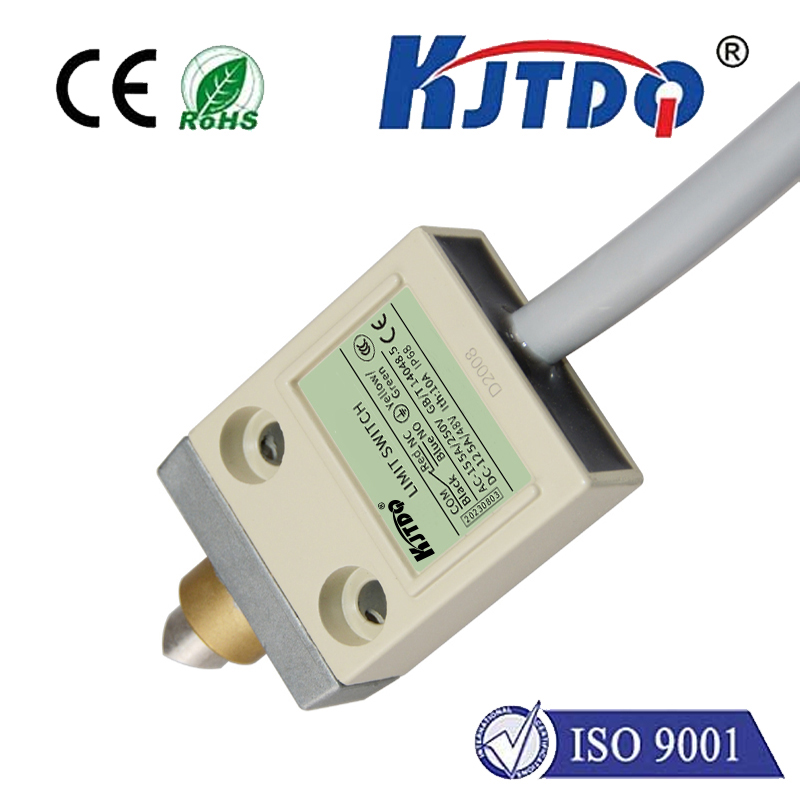
What sets the KJTDQ intrinsically safe limit switch apart is its meticulous design and construction. It typically features a rugged, corrosion-resistant housing made from materials like stainless steel or brass, capable of withstanding harsh environmental conditions including moisture, dust, and extreme temperatures. The internal switching mechanism is precisely calibrated to provide accurate position sensing or detection of an object's presence or absence. This reliability is paramount for controlling machinery, conveyor systems, valves, and doors in hazardous areas. A false signal or failure could disrupt entire processes or, worse, create a dangerous situation.
Installation and integration of the KJTDQ switch are streamlined for efficiency and safety. These switches are often certified to international standards such as ATEX, IECEx, or UL for use in specific hazardous locations (e.g., Zone 0, 1, 2 for gases; Zone 20, 21, 22 for dust). This certification provides clear guidance for engineers and safety officers, ensuring compliance with regional safety regulations. When wiring the KJTDQ switch, it must be connected to an associated apparatus, typically a safety barrier or isolator located in the non-hazardous area. This barrier limits the current and voltage supplied to the switch, maintaining the intrinsic safety loop. Proper grounding and adherence to installation guidelines are crucial to preserve the IS integrity of the entire system.
The benefits of deploying the KJTDQ intrinsically safe limit switch extend beyond mere regulatory compliance. Firstly, it significantly enhances operational safety by eliminating ignition risks at the source. This proactive approach protects personnel, infrastructure, and the environment. Secondly, because the switch itself is not housed in a bulky, heavy explosion-proof junction box, it allows for more flexible and often more cost-effective system design. Maintenance and troubleshooting can also be simpler and safer, as work on the IS circuit can sometimes be performed without requiring a hot work permit in the hazardous area, depending on the specific safety procedures and classifications.
Furthermore, the reliability of the KJTDQ switch contributes to increased productivity. Minimizing downtime caused by safety incidents or equipment failure ensures smoother, more continuous operations. Its durability means a longer service life even in challenging conditions, providing a strong return on investment. For industries navigating the complexities of hazardous area classification, choosing a certified and proven component like the KJTDQ intrinsically safe limit switch is a strategic decision that underpins both safety and efficiency.
In conclusion, managing risk in industrial environments requires intelligent engineering solutions. The intrinsically safe limit switch, exemplified by the KJTDQ series, is a cornerstone of modern industrial safety design. By integrating such certified safety components into control systems, industries can achieve their production goals while upholding the highest standards of protection for people and assets. As technology evolves, the role of intrinsically safe devices will only grow in importance, making informed choices about equipment like the KJTDQ switch essential for any operation facing potential explosive atmospheres.