check

check

check

check

check

check
In the world of industrial automation, precision and reliability are non-negotiable. The Stromag limit switch stands as a cornerstone technology in this demanding environment, engineered to deliver consistent performance where it matters most. These devices are not mere components; they are critical sentinels that monitor and control the position of machinery, ensuring operations proceed within safe and predefined parameters.
The core function of a limit switch is deceptively simple: to detect the presence or absence of an object, or to monitor its position, and then send an electrical signal to a control system. However, the engineering behind a Stromag limit switch transforms this basic principle into a paradigm of durability and accuracy. Built to withstand harsh industrial conditions—including extreme temperatures, moisture, dust, and mechanical shock—these switches are encapsulated in robust housings, often with high ingress protection (IP) ratings. Their internal mechanisms, whether mechanical, inductive, or magnetic, are calibrated for millions of cycles, offering a long service life that minimizes downtime and maintenance costs.
A key advantage of the Stromag limit switch lies in its versatility. It finds essential applications across diverse sectors. In material handling systems, such as conveyor belts and cranes, these switches prevent over-travel, ensuring loads are positioned correctly and safely. In packaging machinery, they provide precise control for filling, capping, and labeling sequences. Within the renewable energy sector, particularly in wind turbines, robust limit switches are indispensable for monitoring blade pitch and yaw position, contributing to both efficiency and safety. The automotive manufacturing industry relies on them for robotic assembly line control, where repeatable precision is paramount.
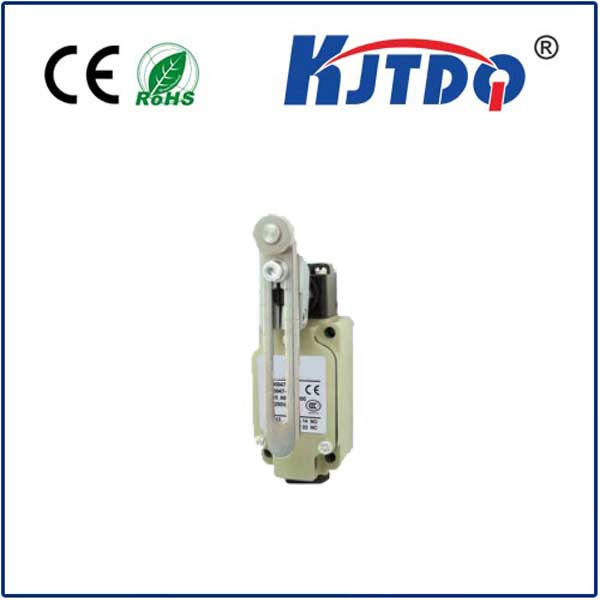
Selecting the right limit switch requires careful consideration of several operational factors. The environment is primary; one must choose a housing material and seal compatible with exposure to oils, coolants, or outdoor elements. The required switching function—slow-action, snap-action, or keep-contact—must align with the control logic. Electrical specifications, including voltage, current rating (both AC and DC), and the type of contact (normally open or normally closed), must match the control circuit. Finally, the mechanical configuration—be it a rotary lever, plunger, or roller actuator—must suit the physical motion it needs to detect.
Installation and proper integration are just as crucial as selection. Mounting must be secure and aligned to ensure the actuator is triggered reliably at the exact desired point. Wiring should follow all electrical standards and diagrams to prevent faults. Most importantly, integrating the switch signal into the broader Programmable Logic Controller (PLC) or safety relay system is vital. This integration allows the limit switch to function not just as a monitoring device but as an active component in automated sequences and critical safety interlock chains, halting machinery if a limit is breached.
Beyond basic position detection, modern Stromag limit switches contribute significantly to predictive maintenance strategies. By monitoring the consistency of actuation signals over time, maintenance teams can identify wear in the switch itself or in the machinery it monitors before a failure occurs. This proactive approach, part of the broader Industrial Internet of Things (IIoT) ecosystem, transforms the limit switch from a simple component into a data point for smarter, more efficient facility management.
In conclusion, the Stromag limit switch exemplifies how a focused component can have an outsized impact on system integrity. Its design philosophy marries ruggedness with precision, providing a reliable interface between the physical movement of machinery and the digital control system. For engineers and system integrators aiming to enhance safety, optimize processes, and reduce unplanned stoppages, specifying high-quality limit switches is a fundamental decision. It represents an investment in the seamless, secure, and continuous operation that defines modern industrial automation.