check

check

check

check

check

check
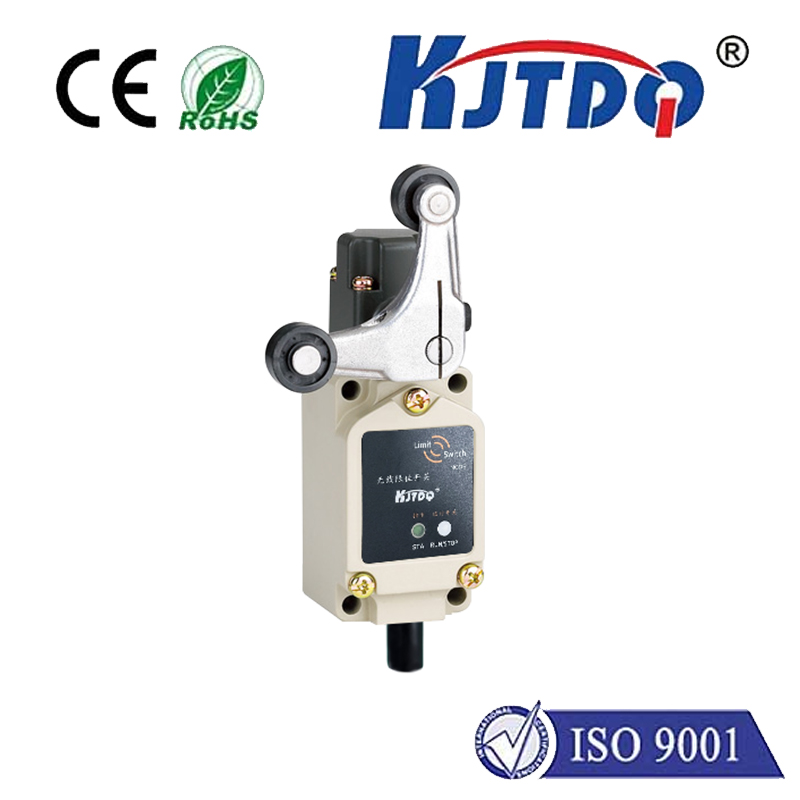
In the intricate ecosystem of modern vertical transportation, the elevator limit switch stands as a critical yet often overlooked guardian of safety and operational precision. This fundamental component acts as the system's sentinel, defining the boundaries of safe travel for the elevator car. Its primary function is to prevent the car from over-traveling beyond the designated top and bottom landings, a scenario that could lead to catastrophic mechanical failure or passenger injury. By interrupting the control circuit or power supply when the car reaches a predetermined point, the limit switch ensures a controlled and safe stop.
The operational principle of an elevator limit switch is elegantly straightforward, relying on mechanical or magnetic actuation. Typically, a cam or a target mounted on the moving elevator car interacts with the switch mechanism installed in the hoistway. As the car approaches its upper or lower terminal, the cam physically trips the switch lever, or a magnet triggers a reed switch, sending a signal to the elevator controller. This signal commands the drive system to cease power to the hoisting motor and engage the braking system. Modern installations often employ a two-stage approach: a first, or "normal," stopping limit switch initiates a controlled slowdown, while a final, or "ultimate," limit switch acts as a fail-safe, cutting power directly if the first stage is somehow bypassed. This redundancy is a cornerstone of elevator safety codes worldwide.
Beyond its primary safety role, the limit switch is integral to the elevator's leveling accuracy. Precise stopping at each floor is not merely a matter of convenience but of accessibility and safety. Micro-adjustments governed by limit switch settings ensure the car floor aligns perfectly with the landing sill, preventing trips and falls. This precision is paramount in high-traffic commercial buildings and facilities serving individuals with mobility challenges. Regular calibration and testing of these switches are therefore non-negotiable aspects of routine maintenance schedules.
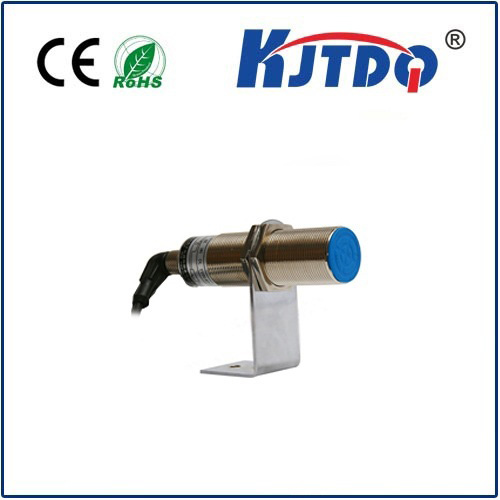
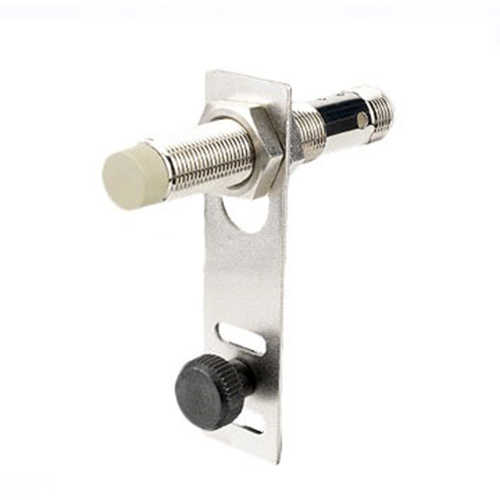
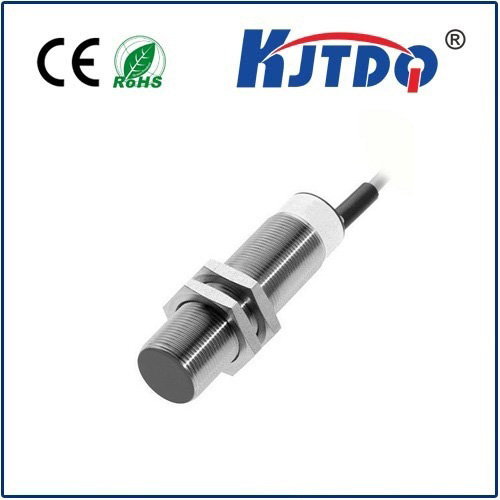
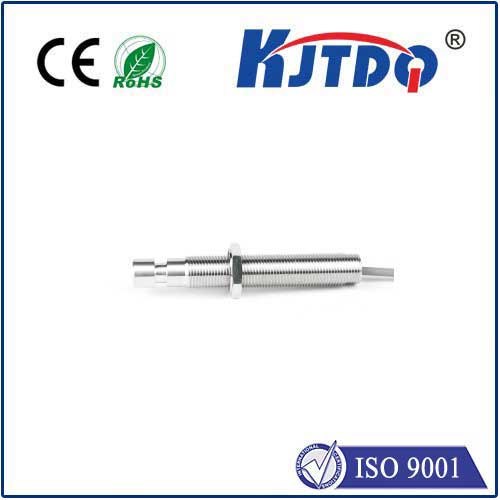
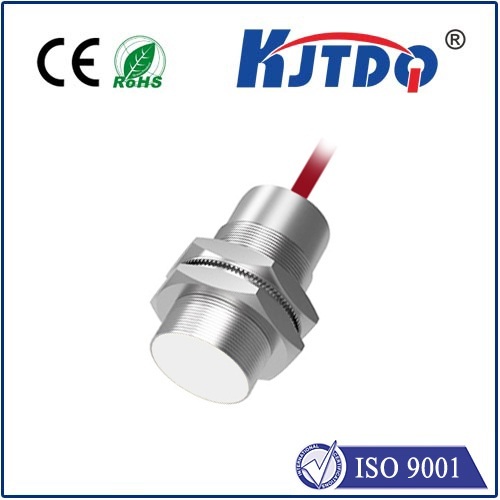
The evolution of elevator limit switch technology mirrors the broader trend toward smarter, more reliable building systems. Traditional mechanical switches, while robust, are susceptible to wear, physical damage, and environmental factors like dust and moisture. The industry has progressively adopted non-contact solutions, such as magnetic proximity sensors and photoelectric sensors. These solid-state devices offer enhanced durability, faster response times, and reduced maintenance needs because they have no moving parts to wear out. Their integration with the elevator's computerized control system allows for more sophisticated diagnostics and real-time monitoring, enabling predictive maintenance before a fault leads to downtime.
Choosing the correct type and specification of limit switch is a critical decision for elevator manufacturers, modernizers, and maintenance professionals. Factors such as the elevator's speed, travel height, environmental conditions within the hoistway, and compliance with local and international safety standards must be carefully considered. For instance, a high-speed elevator in a skyscraper demands switches with exceptional reliability and rapid response, while an elevator in a harsh industrial environment might require switches with high ingress protection (IP) ratings against dust and water.
Ultimately, the humble elevator limit switch is a testament to the layered safety philosophy inherent in vertical transportation design. It operates silently in the background, a fundamental link in the chain of components that make elevators one of the safest modes of transport. Its consistent and reliable performance is essential for maintaining public confidence, ensuring regulatory compliance, and safeguarding the seamless flow of people in buildings everywhere. From historic mechanical lifts to the latest AI-equipped smart elevators, this component remains an indispensable element, quietly upholding its duty to define the limits of safe ascent and descent.