check

check

check

check

check

check
In the world of automation and electrical control, precision and reliability are paramount. Among the many components that ensure systems operate safely and efficiently, the 12 volt limit switch stands out as a fundamental device. This compact yet crucial component plays a vital role in countless applications, from industrial machinery to automotive systems and home automation projects. But what exactly is a 12 volt limit switch, and why is it so widely adopted?
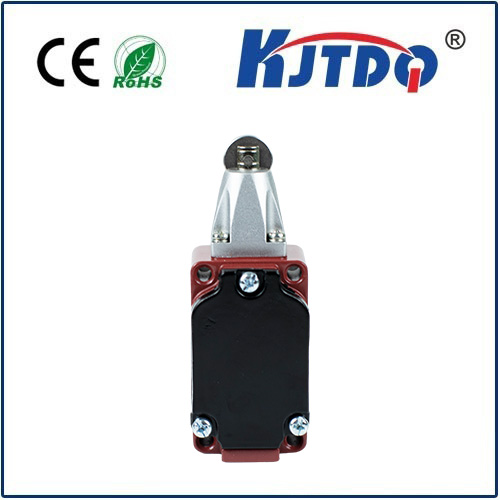
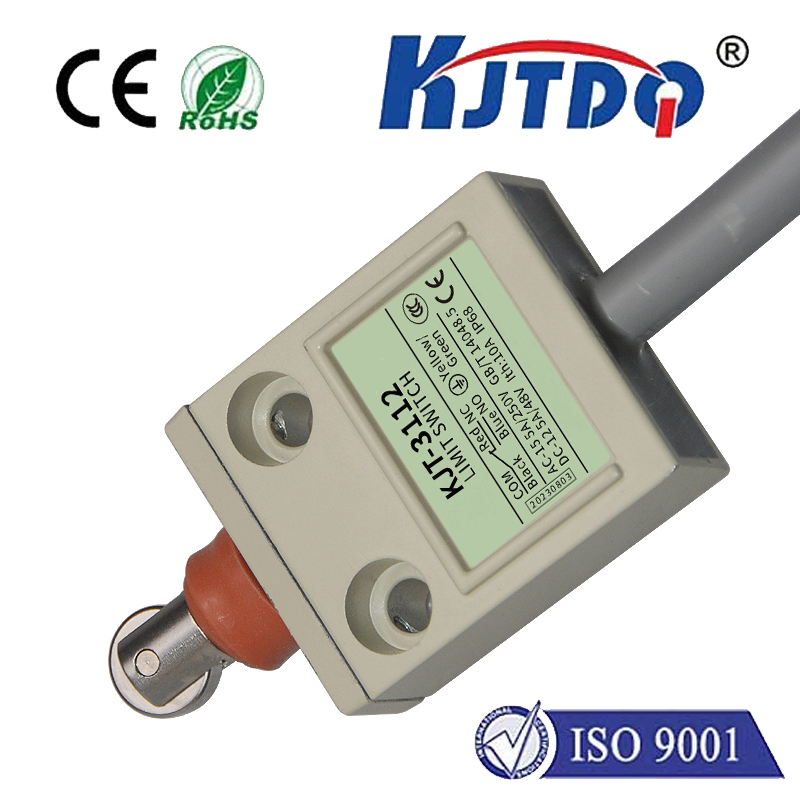
A 12 volt limit switch is an electromechanical device designed to detect the presence or absence of an object, or to monitor the position of a moving part, within a system operating on a 12-volt DC power supply. When an actuator—such as a lever, roller, or plunger—on the switch is triggered by physical contact, it changes the state of its electrical contacts. This action either completes or interrupts the 12V circuit, sending a clear signal to the control system. This signal can be used to stop a motor, change the direction of movement, activate an alarm, or sequence operations, effectively "limiting" the travel or position of a machine component. The 12V DC specification makes it particularly suitable for applications where lower voltage is preferred for safety, energy efficiency, or compatibility with battery-powered or automotive electrical systems.
The operational principle is elegantly simple, relying on physical movement to create an electrical event. This simplicity translates into high durability and dependable performance even in demanding environments. Common types include lever-arm, roller plunger, and whisker switches, each suited to different kinds of mechanical interaction. For instance, a roller lever switch is ideal for detecting the edge of a moving object, while a precision plunger switch might be used in applications requiring exact point registration.
The advantages of using a 12 volt limit switch are numerous. First and foremost is safety. By defining precise limits for mechanical motion, these switches prevent over-travel that could lead to equipment damage, product spoilage, or even personal injury. In a conveyor system, for example, limit switches can ensure a package is correctly positioned before the next stage of processing begins. Their direct physical actuation provides a level of certainty that non-contact sensors sometimes lack, as they are less susceptible to false triggers from environmental factors like dust, light, or minor debris—though they do require physical contact, which leads to mechanical wear over time.
Another significant benefit is cost-effectiveness. Compared to more sophisticated proximity sensors or encoders, a basic 12V limit switch offers a highly economical solution for position detection. Their design is straightforward, making them easy to install, wire, and troubleshoot. The standard 12-volt operation aligns perfectly with common power supplies found in vehicles, solar-powered setups, and many control panels, reducing the need for additional voltage regulation.
Typical applications are vast and varied. In the automotive industry, they might be used to detect whether a car door or trunk is fully closed, controlling interior lights or security systems. In manufacturing, they are workhorses on assembly lines, controlling the start and stop points of robotic arms or the indexing of machine tables. For hobbyists and in DIY projects, such as in model railways or automated garden systems, the 12V limit switch provides a reliable and accessible means of adding automated control.
When selecting a 12 volt limit switch for a project, several key specifications must be considered. The electrical rating, including the current capacity (amperage) for both the 12V load and the switch contacts, is critical to ensure it can handle the connected circuit without overheating. The mechanical life expectancy, often rated in millions of cycles, indicates its durability. Environmental protection, denoted by an IP (Ingress Protection) rating, is essential if the switch will be exposed to moisture, oil, or particulates. The actuator type and operating force must match the physical interaction required. Finally, the contact configuration—normally open (NO) or normally closed (NC)—determines how the signal is presented to the control logic upon actuation.
Installation and maintenance are generally straightforward. The switch must be securely mounted so that the actuator is consistently engaged by the target object at the desired point. Wiring involves connecting the 12V supply, the load, and the switch in series. Regular maintenance involves checking for loose mounting hardware, ensuring the actuator moves freely, and inspecting electrical connections for corrosion. Over time, the contacts may wear or the mechanical parts may fatigue, so periodic testing is recommended to ensure the switch still triggers reliably at the correct position.
In conclusion, the 12 volt limit switch remains an indispensable component in electrical and mechanical control. Its blend of simplicity, proven reliability, direct feedback, and cost-efficiency ensures its continued relevance in an increasingly digital world. Whether you are an engineer designing a complex industrial system or an enthusiast building a custom automation project, understanding and correctly applying this versatile device is key to creating safe, effective, and reliable control solutions. By providing a definitive physical endpoint or positional cue, this small switch performs the critical task of translating mechanical reality into electrical command, forming a fundamental link in the chain of automated control.