check

check

check

check

check

check
In the intricate world of electrical systems and air conditioning units, numerous components work silently in the background to ensure safety, efficiency, and reliable operation. Among these critical parts is the AC limit switch, a device whose importance is often understated until a malfunction occurs. This article delves into the function, types, and significance of the AC limit switch, providing essential knowledge for homeowners, technicians, and anyone interested in the mechanics of climate control and electrical safety.
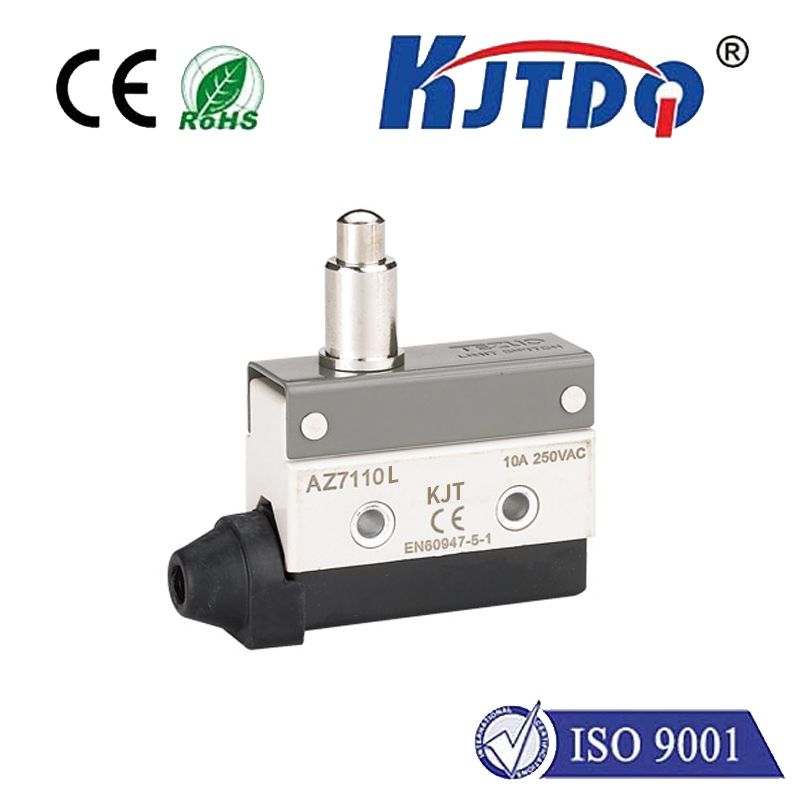
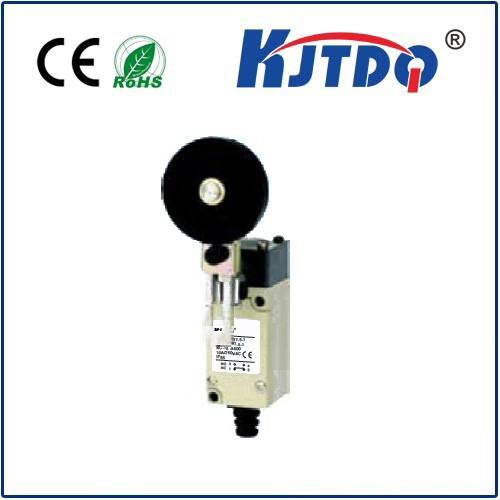
An AC limit switch, fundamentally, is a safety device designed to monitor conditions within a system—most commonly temperature or pressure—and automatically interrupt the electrical circuit when those conditions exceed a predetermined safe limit. Its primary role is to act as a guardian, preventing equipment damage, potential fire hazards, and ensuring the system operates within its designed parameters. In heating, ventilation, and air conditioning (HVAC) systems, these switches are indispensable for protecting compressors, heat exchangers, and other costly components from extreme conditions that could lead to catastrophic failure.
The operation of a typical temperature limit switch is elegantly simple yet highly effective. It contains a sensor, often a bimetallic strip or a rod-and-tube assembly, that expands or contracts with temperature changes. This sensor is connected to a set of electrical contacts. Under normal operating temperatures, these contacts remain closed, allowing current to flow and the system to function. However, if the temperature rises to an unsafe level—due to a clogged filter, failing fan motor, or refrigerant issue—the sensor triggers the mechanism to snap open the contacts. This action breaks the circuit, shutting down the relevant part of the system, usually the burner in a furnace or the compressor in an air conditioner, to allow for cooling and prevent overheating.
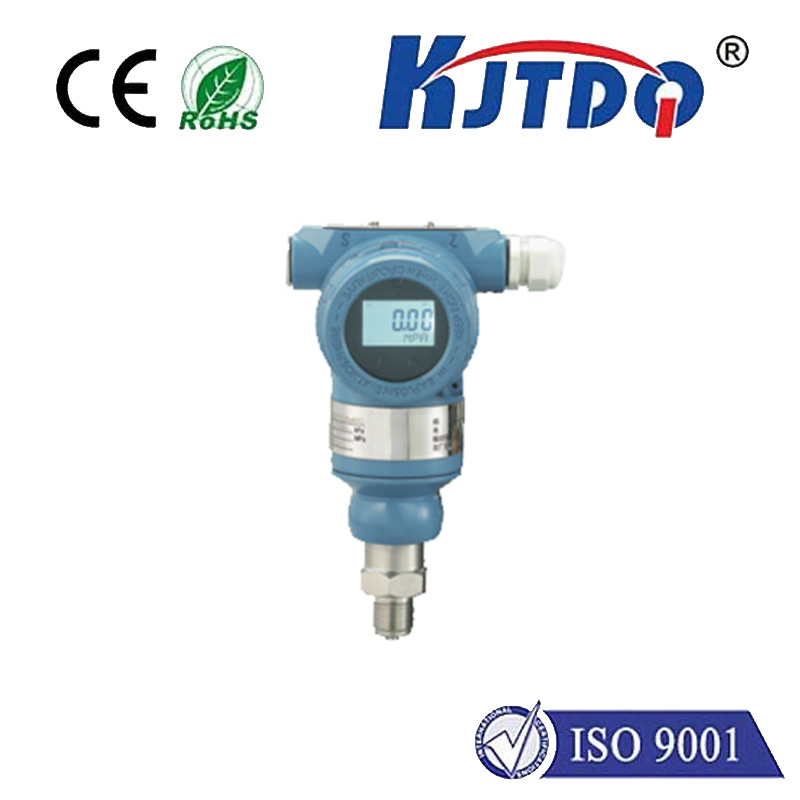
There are several common types of limit switches found in AC and HVAC systems. The high-limit switch is perhaps the most well-known, tasked with shutting off the heating element or compressor if temperatures become excessively high. The fan limit switch serves a dual purpose; it controls the blower fan, turning it on once the heat exchanger reaches a specific temperature and off when it cools down, while also containing a high-limit safety function. Pressure limit switches perform a similar role in refrigeration cycles, monitoring pressure levels in the condenser and evaporator coils to protect the compressor from damage due to abnormal pressure conditions, such as those caused by a refrigerant leak or blockage.
Recognizing the signs of a faulty AC limit switch is crucial for timely maintenance. Common symptoms include the system frequently shutting off on its own before reaching the set temperature, a failure to start at all, or the blower fan not operating in its correct cycle. For instance, if the fan continues to run long after the cooling cycle has ended or doesn't turn on during operation, it could point to a malfunctioning fan limit switch. While some experienced individuals may attempt testing with a multimeter for continuity, diagnosing and replacing a limit switch is generally a task best left to certified HVAC technicians. They can accurately determine if the switch itself has failed or if its tripping is a symptom of a larger underlying problem, such as restricted airflow or a faulty motor.
The benefits of a properly functioning AC limit switch extend far beyond mere component protection. First and foremost, it is a critical layer of fire prevention. By halting operation during overheating, it eliminates a primary ignition source. Secondly, it safeguards your investment. Compressors and heat exchangers are among the most expensive parts of an HVAC system; a limit switch helps avoid costly replacements. Furthermore, it contributes to energy efficiency. A system running with a faulty switch may short-cycle (turn on and off too frequently) or run excessively, both of which waste significant energy and drive up utility bills. Finally, it ensures consistent comfort by maintaining system operation within its ideal performance window.
Regular maintenance is the key to ensuring your AC limit switch and the entire system remain in top condition. This includes simple practices like changing air filters every one to three months to ensure proper airflow, keeping the outdoor condenser unit clean and free of debris, and scheduling annual professional tune-ups. During a maintenance visit, a technician will inspect, test, and calibrate the limit switches to confirm they activate at the correct setpoints. Proactive care not only prevents unexpected breakdowns during peak seasons but also prolongs the lifespan of the entire HVAC unit.
In conclusion, the AC limit switch is a quintessential example of a small component playing a monumental role. It operates as an automated sentinel, constantly monitoring system conditions to enforce safety protocols and operational boundaries. Understanding its function underscores the sophistication built into modern HVAC systems and highlights the importance of regular professional maintenance. Ensuring this device is in optimal working order is not just a technical detail; it is a fundamental practice for ensuring a safe, efficient, and comfortable indoor environment. When your system operates smoothly and safely, you have a humble limit switch to thank for its vigilant service.