check

check

check

check

check

check
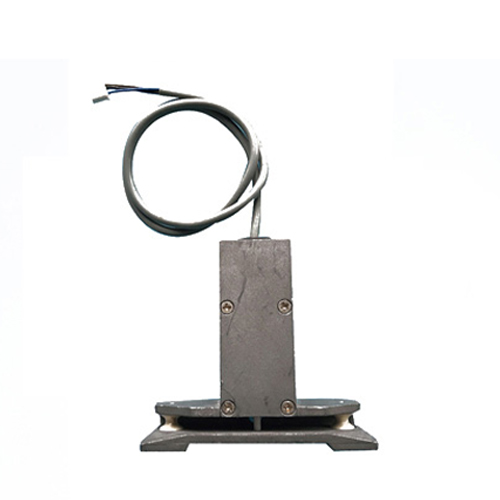
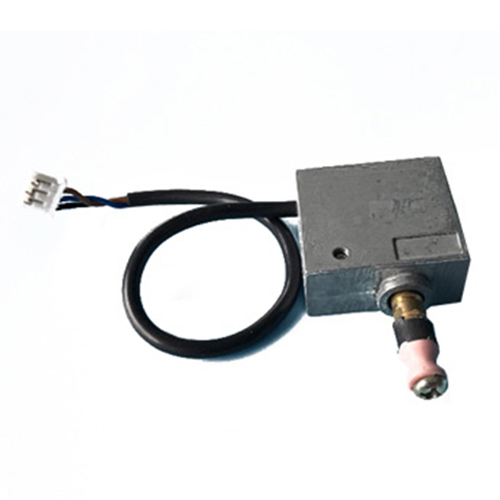
Modern HVAC systems rely on precise control mechanisms to ensure efficient and reliable operation. Among these critical components, the end switch plays a pivotal yet often overlooked role. An HVAC end switch is a safety and control device typically installed within dampers, valves, or other movable components. Its primary function is to provide a definitive electrical signal to the system's controller, confirming whether a damper is fully open or fully closed. This binary feedback is essential for proper system sequencing, preventing issues like simultaneous heating and cooling, and ensuring that airflow is correctly directed.
In commercial and industrial applications, the importance of a properly functioning end switch cannot be overstated. Consider a building's ventilation system with economizer dampers. The end switches on these dampers send signals to the building automation system (BAS). If a damper fails to reach its commanded position, the end switch will not activate, alerting the system to a potential fault. This prevents the HVAC unit from operating under incorrect conditions, which could lead to energy waste, coil freeze-ups, or inadequate indoor air quality. For instance, if a fresh air damper's end switch fails to indicate a "fully closed" position during extreme winter conditions, cold air could continuously enter the system, overworking the heating coil and potentially causing damage.
The integration of end switches extends beyond simple dampers. They are integral to fan shutoff dampers in smoke control systems, where confirming a damper's position is a matter of life safety. In variable air volume (VAV) systems, end switches on terminal unit dampers help verify minimum airflow settings. The reliability of these switches directly impacts system performance, occupant comfort, and energy consumption. A faulty end switch can lead to misdiagnosis of problems, with technicians potentially replacing expensive actuators or controllers when the issue is simply a misaligned or failed switch.
Selecting the right end switch involves considering factors such as the type of actuator (spring-return or non-spring-return), voltage requirements, and the physical mounting configuration. Modern switches offer options like adjustable levers and dual-stage signaling for intermediate positions. Proper installation is equally crucial; the switch must be meticulously aligned so that it trips precisely when the damper or valve reaches its end-of-travel point. Regular maintenance should include checking the switch's mechanical operation and electrical continuity as part of a preventative HVAC schedule.
Troubleshooting end switch failures is a common task for HVAC technicians. Symptoms of a failing switch may include inconsistent system operation, error codes related to damper positioning, or the system failing to initiate a heating or cooling cycle. Testing typically involves using a multimeter to check for a change in electrical continuity as the damper is manually moved through its full range. Corrosion, physical damage, or loose connections are frequent culprits. Upgrading to sealed or environmentally hardened switches can be a wise investment in areas with high humidity or dust.
Ultimately, the humble end switch is a cornerstone of HVAC control integrity. It provides the definitive "yes" or "no" that complex automation systems depend on to make decisions. Ensuring these components are correctly specified, installed, and maintained is a fundamental step toward achieving a resilient, efficient, and smart building environment. As HVAC systems become more interconnected and data-driven, the accurate positional feedback from end switches will remain a critical input for optimizing performance and preventing costly operational failures.