check

check

check

check

check

check
In the realm of industrial automation and precision machinery, the Z limit switch stands as a critical yet often overlooked component. This device plays a fundamental role in ensuring operational safety, accuracy, and repeatability in various applications, from 3D printers and CNC machines to complex robotic arms and elevator systems. Unlike its more generalized counterparts, the "Z" designation typically refers to its function along a specific axis—commonly the vertical axis in a three-dimensional coordinate system—though its application can be context-dependent.
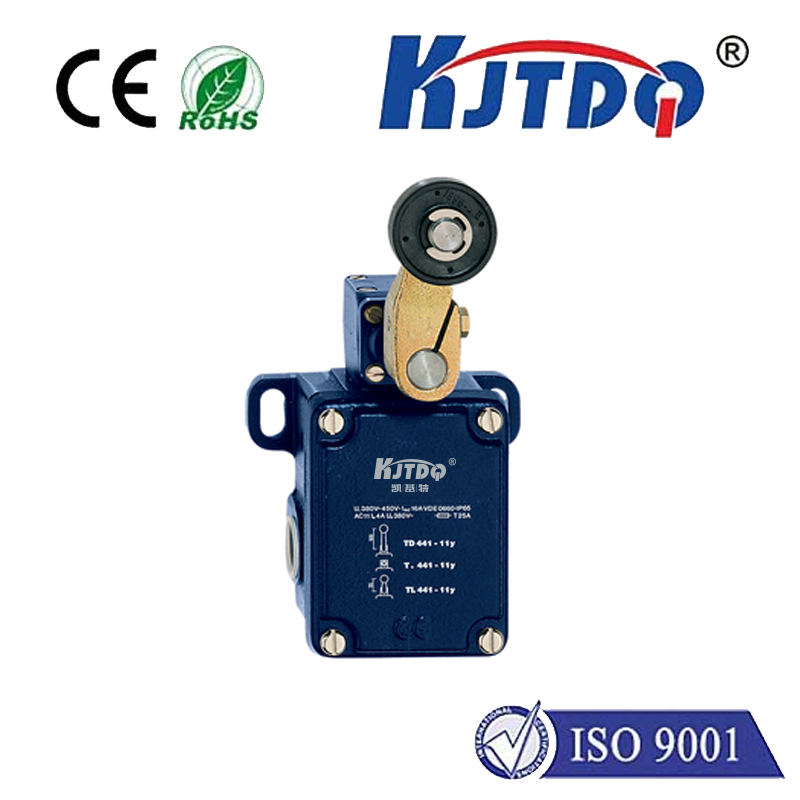
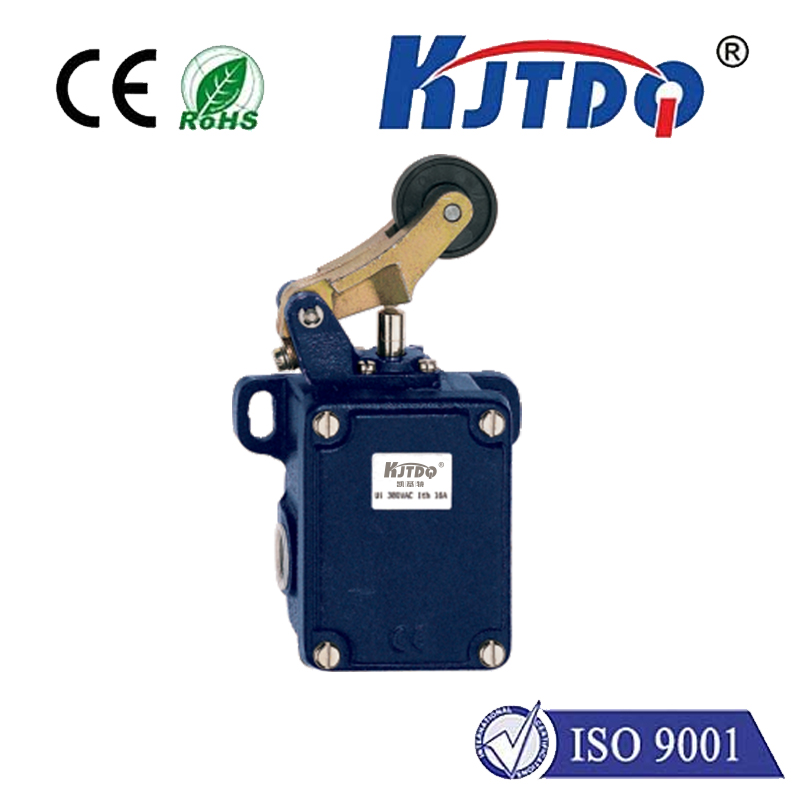
At its core, a Z limit switch is a type of electromechanical sensor. Its primary function is to detect the presence or absence of an object, or to define the extreme boundaries of mechanical movement along a designated path. When a machine's moving part, such as a gantry or a spindle, reaches a predetermined point, it physically actuates the switch's lever, roller, or plunger. This action triggers an internal mechanism that opens or closes an electrical circuit. This signal is instantly relayed to the machine's controller, which can then execute a pre-programmed command: halting movement, reversing direction, initiating a new sequence, or triggering a safety alarm.
The operational principle might seem straightforward, but the implications for system integrity are profound. Consider a CNC milling machine. Before beginning a machining job, the machine must establish a "home" or reference position for all its axes (X, Y, and Z). The Z limit switch is crucial here. As the spindle rapidly descends to find its home on the Z-axis, the switch provides a precise and consistent physical point of contact. This ensures that every operation starts from an identical zero point, guaranteeing that the depth of every cut is accurate and repeatable across thousands of production cycles. Without this reliable homing function, even microscopic variances could lead to catastrophic tool crashes or out-of-specification parts.
In additive manufacturing, or 3D printing, the Z limit switch performs a similarly vital role. It precisely defines the build plate's starting height. During the auto-bed leveling process, the switch helps the printer's firmware map the plate's surface, compensating for any minor warping. This direct physical feedback is essential for achieving the perfect first-layer adhesion, which is the foundation for a successful print. A malfunctioning switch here can lead to a nozzle digging into the build plate or filament failing to stick, resulting in print failures and wasted material.
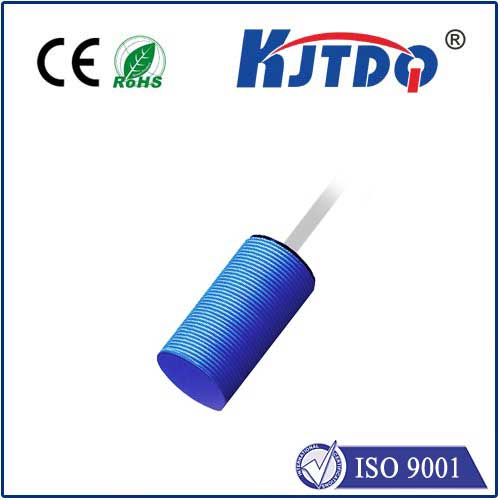
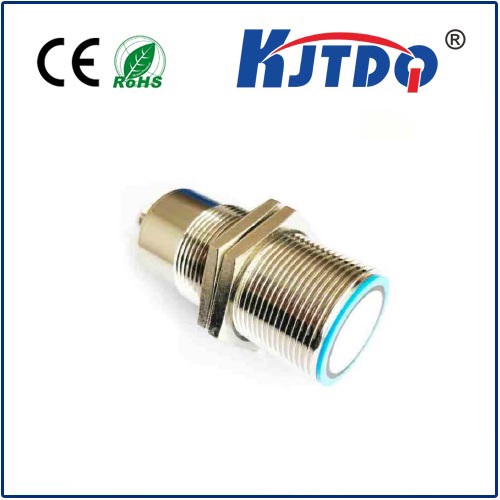
The selection of a Z limit switch depends heavily on the application's demands. Key specifications include mechanical life (number of actuations), electrical rating (current and voltage it can handle), actuation force, and environmental protection (such as IP ratings for dust and moisture). For high-speed, high-precision environments, manufacturers often opt for non-contact alternatives like inductive or optical proximity sensors for the homing function, as they offer faster response and no physical wear. However, the classic mechanical limit switch remains prized for its simplicity, robustness, direct feedback, and cost-effectiveness in many scenarios, especially where a definitive physical stop is desired.
Installation and maintenance are straightforward but require attention to detail. The switch must be mounted securely to prevent vibration from altering its position. The actuator must be aligned correctly with the machine part that will trigger it. Regular checks are necessary to ensure the actuator moves freely and the electrical connections remain tight. Over time, mechanical switches may experience wear on the actuator or contacts, potentially leading to signal bounce or failure. Recognizing symptoms like inconsistent homing, axis over-travel errors, or failed initialization sequences can point directly to a limit switch issue.
Ultimately, the Z limit switch embodies a key principle in automation: establishing a known, reliable reference point. It is a bridge between the physical motion of a machine and the digital logic of its control system. By providing this fundamental boundary detection, it enables complex, automated systems to operate with the confidence, precision, and safety required in modern manufacturing, prototyping, and beyond. Its unassuming presence on a machine frame is a testament to the importance of reliable foundational components in enabling advanced technological processes.