check

check

check

check

check

check
In the realm of precision automation and CNC machinery, ensuring accurate and safe movement is paramount. One critical component that safeguards this operation, particularly in the vertical or depth dimension, is the Z axis limit switch. This device acts as a sentinel, defining the boundaries of motion for the Z-axis—the axis typically responsible for up-and-down movement in a three-dimensional coordinate system.
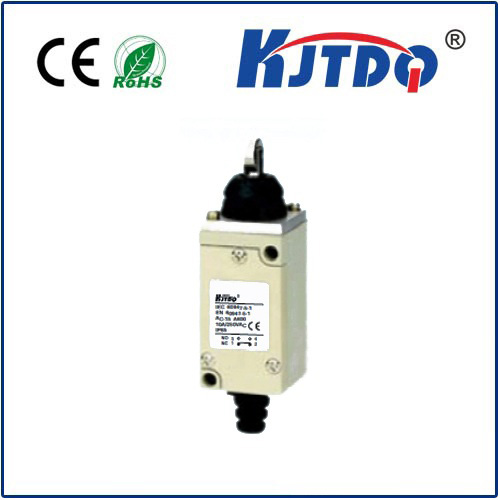
A Z axis limit switch is an electromechanical sensor strategically positioned at the desired travel limits of the Z-axis. Its primary function is to detect the presence or absence of a moving part, such as a spindle head or a gantry, and send a corresponding signal to the machine's control system. When the moving component contacts the switch's actuator at a predefined point, the switch triggers. This signal instructs the controller to halt or reverse the axis movement, preventing the machine from traveling beyond its mechanical or operational limits. This simple yet vital action prevents catastrophic collisions, protects expensive tooling and workpieces from damage, and ensures the repeatability of machining operations.
The importance of these switches cannot be overstated. In applications like 3D printing, a Z axis limit switch, often called an endstop, establishes the "home" position for the print head. This precise calibration is essential for the first layer adhesion and overall print quality. In industrial CNC milling or drilling machines, these switches prevent the spindle from crashing into the worktable or from retracting too far and potentially damaging internal components. They are fundamental to establishing machine zero points and ensuring that every operation starts from a known, consistent position.
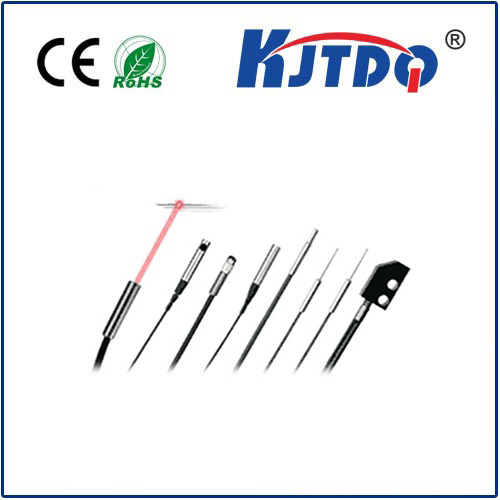
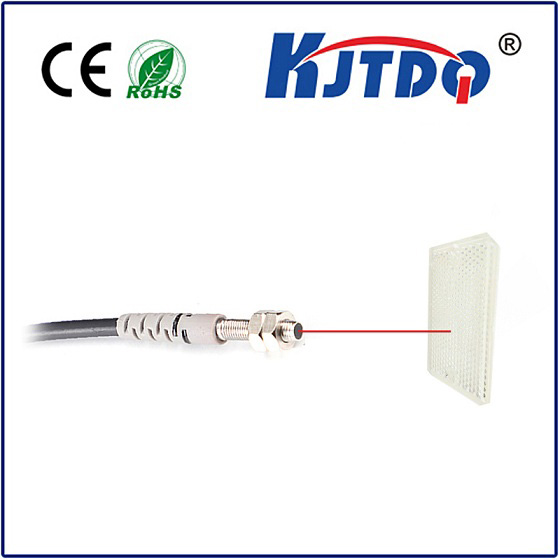
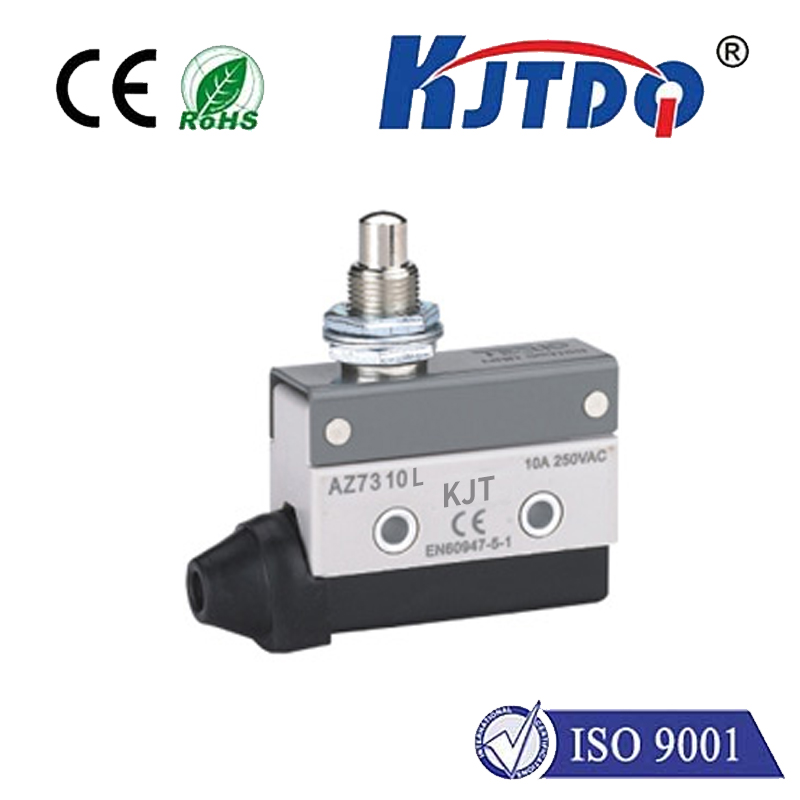
Several types of limit switches are employed for Z-axis duties. Mechanical lever-arm switches are common and cost-effective, using physical contact to activate. Proximity sensors, including inductive or capacitive types, offer non-contact detection, which is ideal for environments with high dust or coolant where physical contact might be unreliable. Optical switches use a beam of light and are valued for their high speed and precision. The choice depends on factors like required accuracy, environmental conditions, switching speed, and budget.
Integrating a Z axis limit switch effectively requires careful planning. Mounting must be rigid and precise to ensure consistent triggering. The actuator must be aligned correctly with the moving part it is meant to detect. Wiring should be shielded to prevent electrical noise from causing false triggers. Furthermore, many modern systems implement a dual-switch strategy: one switch at the upper travel limit and another at the lower limit, creating a defined operational envelope. Regular maintenance, such as checking for physical wear, cleaning optical sensors, and verifying electrical continuity, is crucial for long-term reliability.
Beyond basic limit detection, advanced systems use these switches as part of a homing sequence. Upon startup, the machine may slowly drive the Z-axis towards the limit switch until it triggers. This event establishes a reliable reference point from which all other positional coordinates are calculated. This process eliminates cumulative positioning errors and is a cornerstone of automated manufacturing.
In conclusion, the Z axis limit switch is a deceptively simple component that plays an indispensable role in motion control systems. It is the guardian of vertical travel, ensuring operational safety, protecting capital investment, and guaranteeing the precision that modern manufacturing and prototyping demand. From hobbyist 3D printers to massive industrial machining centers, the reliable "click" or silent signal of this switch is what allows for confident, automated, and repeatable movement along the critical depth axis.