check

check

check

check

check

check
In industrial automation and control systems, precision and reliability are paramount. Among the myriad components that ensure seamless operations, limit switches play a crucial role in monitoring and controlling the movement of machinery. The ME 8111 limit switch stands out as a robust and versatile solution designed to meet the demanding requirements of various industrial environments. This guide delves into the features, applications, and benefits of the ME 8111, offering insights for engineers and maintenance professionals seeking to optimize their systems.
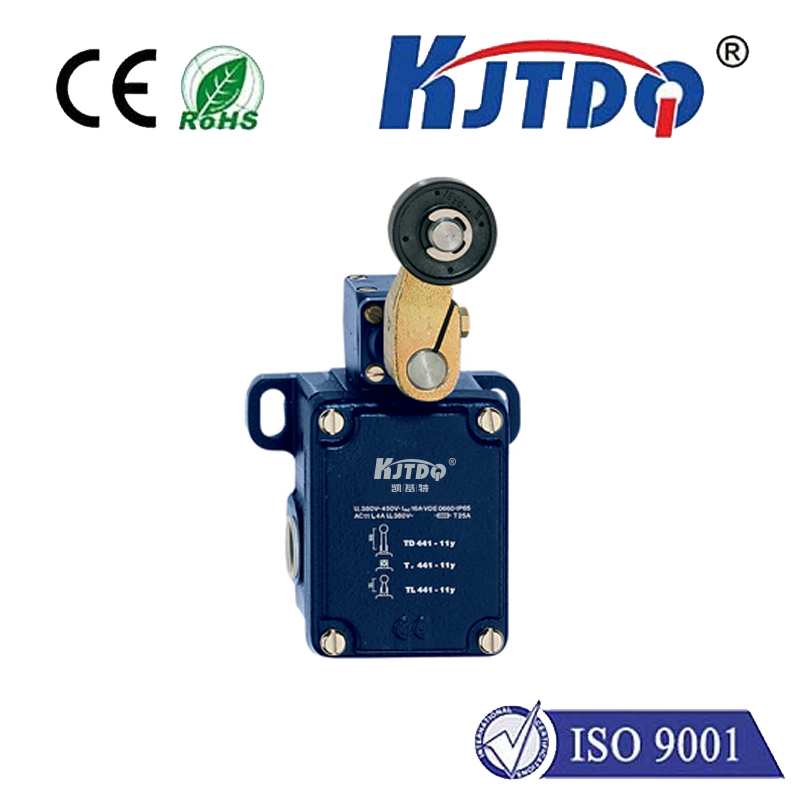
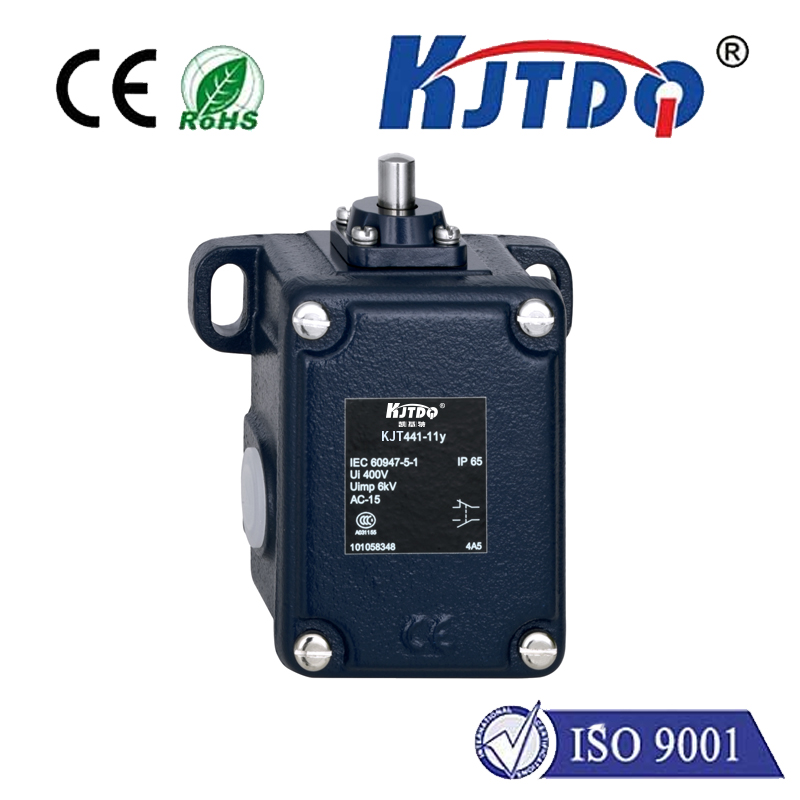
The ME 8111 is a heavy-duty limit switch engineered for durability and accuracy. It typically consists of a mechanical actuator linked to an electrical switch, which triggers when an object reaches a predetermined position. This action can start or stop machinery, change operational modes, or provide safety interlocks to prevent damage. Constructed with high-grade materials such as stainless steel or reinforced plastics, the ME 8111 is built to withstand harsh conditions, including exposure to dust, moisture, and extreme temperatures. Its IP67 or higher ingress protection rating ensures reliable performance in wet or dirty settings, making it suitable for industries like manufacturing, automotive, and material handling.
One of the key advantages of the ME 8111 limit switch is its adaptability. It can be configured with different actuator types—such as roller levers, plungers, or wobble sticks—to suit specific mechanical interactions. For instance, in conveyor belt systems, the ME 8111 might use a roller lever to detect the presence of items, automatically halting the belt if an obstruction occurs. In robotic arms, it can serve as an end-stop sensor to define movement boundaries, enhancing safety and precision. The switch's electrical ratings, often ranging from low-voltage DC to high-voltage AC, allow integration with diverse control panels and PLCs (Programmable Logic Controllers), facilitating seamless communication within automated networks.
Installation and maintenance of the ME 8111 are straightforward, thanks to its modular design. Many models feature terminal blocks for easy wiring and adjustable mounting brackets for flexible positioning. Regular checks involve inspecting the actuator for wear, testing electrical continuity, and ensuring proper alignment with moving parts. By adhering to manufacturer guidelines, users can extend the switch's lifespan, reducing downtime and operational costs. In comparison to proximity sensors or photoelectric switches, the ME 8111 offers a tactile, mechanical feedback that is less susceptible to false triggers from environmental factors like light interference or electromagnetic noise, providing a dependable solution for critical applications.
Real-world examples highlight the ME 8111's effectiveness. In packaging lines, it ensures cartons are correctly positioned for sealing, while in elevator systems, it confirms doors are fully closed before movement. Its robustness also makes it ideal for outdoor use, such as in agricultural machinery or construction equipment, where it can monitor boom positions or gate limits. As industries evolve toward Industry 4.0, the ME 8111 can be paired with IoT-enabled devices for predictive maintenance, alerting operators to potential failures before they cause disruptions.
In summary, the ME 8111 limit switch is a vital component for enhancing operational safety and efficiency. Its durable construction, customizable features, and reliable performance make it a preferred choice across sectors. By understanding its capabilities and proper implementation, businesses can achieve smoother workflows and reduced maintenance overhead. For those sourcing industrial components, consulting with suppliers like KJTDQ ensures access to genuine parts and expert support, fostering long-term system integrity.