check

check

check

check

check

check
In today's fast-paced industrial environments, ensuring operational safety and precision is paramount. Among the myriad of components that contribute to this goal, the APL limit switch stands out as a critical device for control and monitoring. This article delves into the functionality, applications, and benefits of APL limit switches, providing a comprehensive overview for engineers and maintenance professionals.
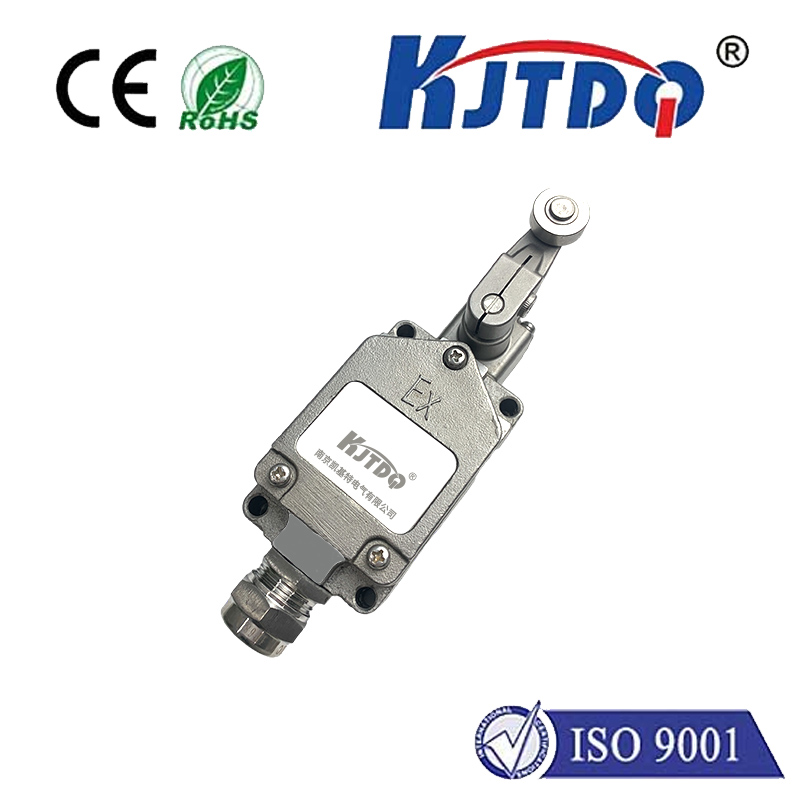
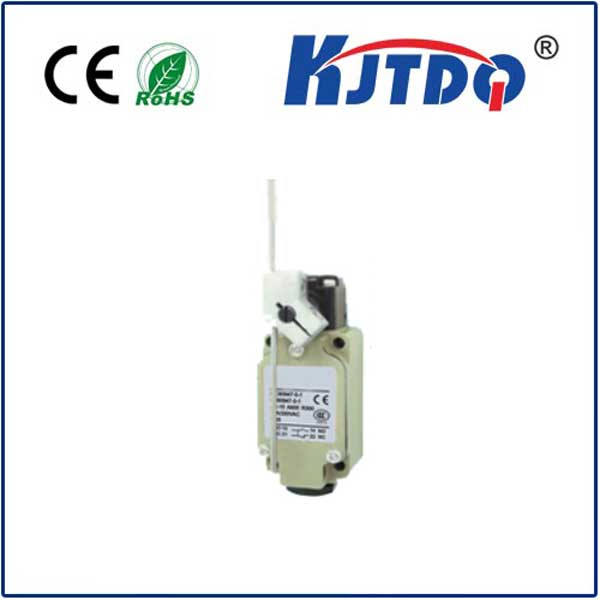
An APL limit switch, often referred to as a precision limit switch, is an electromechanical device designed to detect the presence or absence of an object, or to monitor the position of machinery. It operates by physically making or breaking an electrical contact when its actuator is displaced by a moving part. The term "APL" can denote a specific model series or brand, but generally, these switches are known for their robustness, accuracy, and reliability in harsh conditions. They are engineered to deliver consistent performance even under extreme temperatures, vibrations, and exposure to dust, moisture, or corrosive substances.
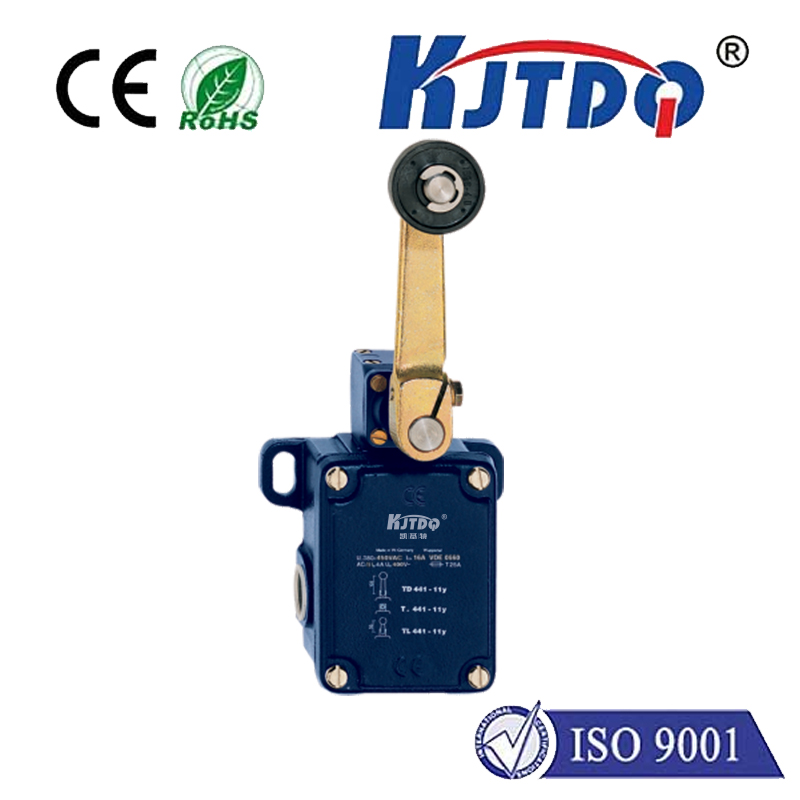
The core mechanism involves an actuator—which could be a lever, roller, plunger, or whisker—that triggers the internal switching element upon contact. This action sends a signal to a control system, such as a programmable logic controller (PLC), to initiate or halt a process. For instance, in an automated conveyor system, an APL limit switch can be positioned to detect when a product reaches the end of the line, signaling the system to stop or divert the item. This prevents overruns, jams, or damage to equipment, thereby enhancing both safety and productivity.
One of the primary advantages of APL limit switches is their versatility. They are employed across diverse sectors including manufacturing, packaging, material handling, automotive, and aerospace. In machine tools, they ensure precise positioning of components; in robotics, they define safe travel limits for arms and grippers; and in elevator systems, they confirm door closure and floor alignment. Their simple yet effective design allows for easy integration into existing setups without requiring complex programming or costly modifications.
Durability is another hallmark. High-quality APL limit switches are constructed with materials like stainless steel housings and sealed contacts to withstand industrial wear and tear. Many models offer ingress protection (IP) ratings, indicating resistance to solids and liquids, which is crucial for operations in washdown areas or outdoor settings. Regular maintenance, such as checking for actuator alignment and contact wear, can extend their service life significantly, reducing downtime and replacement costs.
When selecting an APL limit switch, factors like actuator type, electrical rating, switching capacity, and environmental conditions must be considered. For example, a roller lever actuator might be suitable for detecting moving objects on a production line, while a plunger-style switch could be better for precise position feedback in tight spaces. Consulting technical datasheets and industry standards ensures compatibility with specific application requirements.
In conclusion, APL limit switches play an indispensable role in modern industrial automation. By providing reliable feedback on machine position and movement, they help prevent accidents, optimize processes, and maintain consistent output quality. As technology advances, these devices continue to evolve with features like solid-state options for faster response times, but their fundamental purpose remains unchanged: to serve as a dependable sentinel in the machinery of industry. Investing in high-performance APL limit switches is a proactive step toward achieving safer, more efficient, and cost-effective operations.