check

check

check

check

check

check
In the world of industrial automation, precision and reliability are non-negotiable. The Metso limit switch stands as a cornerstone in this demanding environment, ensuring seamless operations across various sectors, from mining and pulp processing to power generation and beyond. This comprehensive guide delves into the core functionalities, key benefits, and critical applications of the Metso limit switch, explaining why it remains a preferred choice for engineers and maintenance professionals globally.
A limit switch is a fundamental electromechanical device used to detect the presence or absence of an object, or to monitor the position of machinery. It acts as a sentinel, sending a control signal to stop, start, or alter a machine's function once a predetermined limit is reached. The Metso limit switch distinguishes itself through robust construction, exceptional durability, and adaptability to harsh conditions. Engineered to withstand extreme temperatures, high moisture, corrosive substances, and significant mechanical stress, these switches are built for longevity where other components might fail.
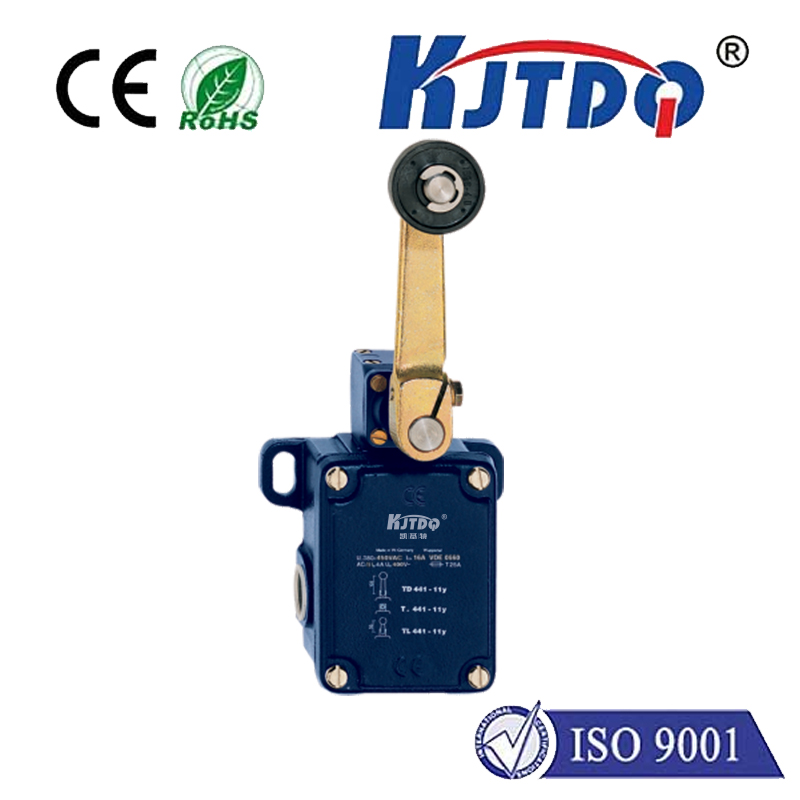
The operational principle is elegantly simple yet highly effective. Typically, a physical actuator—such as a lever, roller, or plunger—is triggered by the movement of a machine part or the presence of an object. This physical movement internally changes the state of electrical contacts within the sealed switch body, either opening or closing a circuit. This signal is then transmitted to the control system, initiating the required action. Metso's design emphasizes a positive break action, ensuring a reliable and definitive change in contact state, which is crucial for safety and operational consistency.
Key advantages of integrating Metso limit switches into an automation system are numerous. First and foremost is their proven reliability. In continuous process industries, unplanned downtime can result in massive financial losses. Metso switches are renowned for their millions of trouble-free operation cycles, providing peace of mind and reducing maintenance overhead. Their robust, often stainless steel or high-grade polymer housings offer superior protection against ingress (commonly rated IP67 or higher), dust, and mechanical impact. Furthermore, many models feature modular designs, allowing for easy customization of actuator heads, bodies, and contact blocks to fit specific spatial and functional requirements without needing a completely different unit. This modularity simplifies inventory management and reduces replacement time.
Application scenarios for the Metso limit switch are vast and varied. In mineral processing plants, they are indispensable for monitoring the position of conveyor belts, crushers, and feeder chutes, preventing overfilling and jams. Within the pulp and paper industry, they control the travel of rollers, cutters, and drying cylinders, ensuring precise product dimensions and process flow. On valve actuators in water treatment or oil and gas pipelines, they provide critical feedback on whether a valve is fully open or closed, a vital parameter for system control and safety interlocks. They also play a pivotal role in packaging machinery, material handling systems, and heavy-duty crane travel limits.
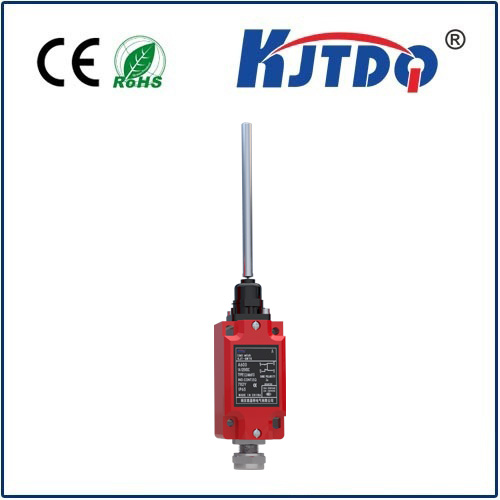
Selecting the right Metso limit switch involves careful consideration of several parameters. The operating environment dictates the required ingress protection (IP) rating and material composition—stainless steel for corrosive settings, robust plastics for general duty. The electrical specifications, including voltage, current rating (both AC and DC), and contact configuration (normally open, normally closed, or changeover), must match the control circuit. The type of actuator—lever, roller lever, fork lever, or plunger—is chosen based on the direction and nature of the mechanical movement to be detected. Finally, factors like operating temperature range, mechanical life expectancy, and required safety certifications (e.g., ATEX for hazardous areas) must align with the application's demands.
Proper installation and routine maintenance are the final steps to guaranteeing optimal performance. Installation should follow manufacturer guidelines precisely, ensuring correct alignment, secure mounting, and protection of the electrical conduit. While these switches are designed for minimal maintenance, periodic visual inspections for physical damage, checks for loose connections, and verification of proper actuation can prevent unexpected failures. Keeping actuator mechanisms clean and free from debris buildup is also essential for sensitive operation.
In conclusion, the Metso limit switch represents more than just a component; it is a critical investment in operational integrity and safety. Its blend of rugged reliability, environmental resilience, and flexible design makes it an unsung hero in the automation landscape. For system designers and plant managers aiming to optimize efficiency and minimize downtime, specifying a Metso limit switch is a decision rooted in proven performance and long-term value.