check

check

check

check

check

check
In the world of industrial automation, precision and reliability are non-negotiable. The limit switch, a fundamental component in control systems, serves as the critical sentinel, dictating the start, stop, or reversal of machinery motion. Among the trusted names in this field, Soldo has carved out a reputation for durability and performance. This guide delves into the essential role of the limit switch, explores the specific advantages of the Soldo brand, and outlines why selecting the right component is paramount for operational efficiency and safety.
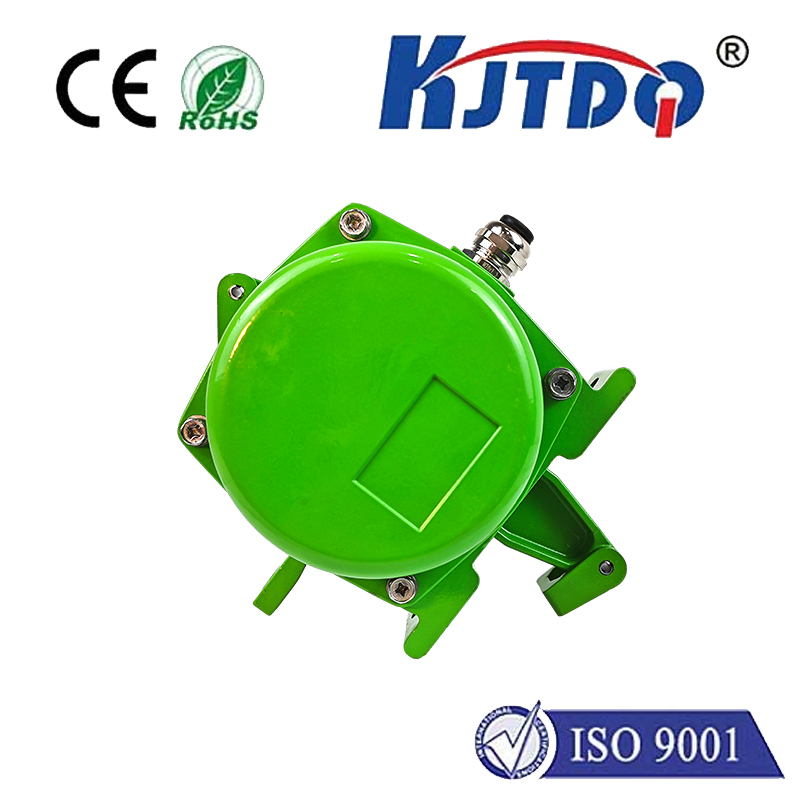
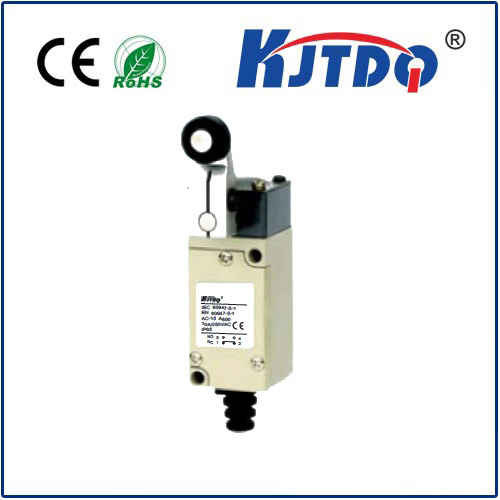
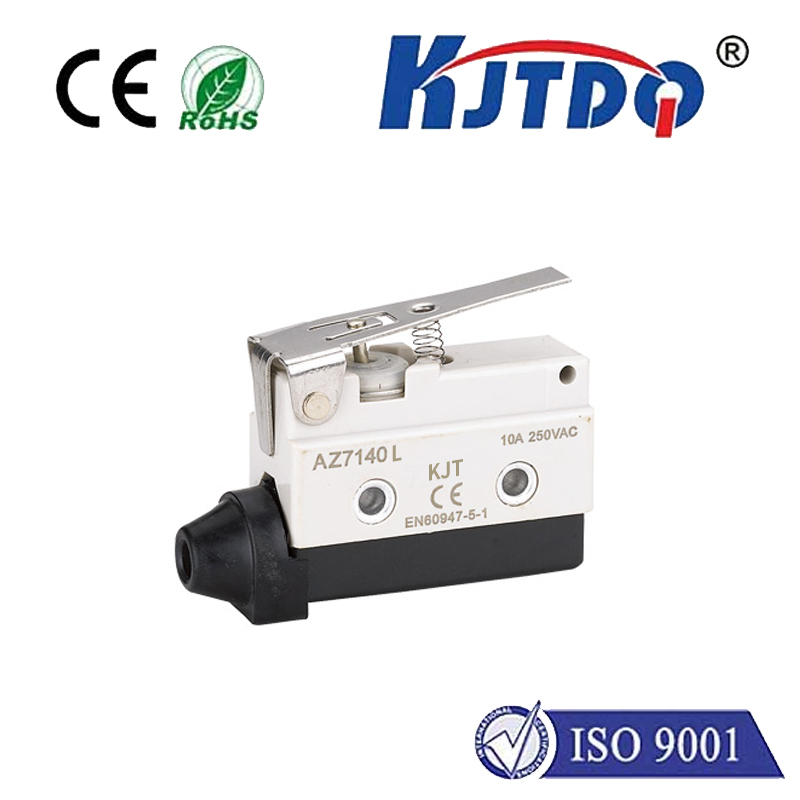
A limit switch is an electromechanical device that requires physical contact with an object to operate. It acts as a sensor, detecting the presence or absence, passing, positioning, or end of travel of an object. When the actuator of the switch is moved by the target object, it changes the state of its electrical contacts—opening or closing a circuit. This simple action sends a vital signal to the machine's control system, such as a PLC (Programmable Logic Controller), to initiate a predefined sequence. Common applications are ubiquitous: from ensuring a garage door stops at the correct height, to confirming a robotic arm has reached its precise pick-up location, to halting a conveyor belt when a package is in position for processing. The core function is to provide a hard-wired, positive-action safety and control signal.
This is where the quality of the component becomes critical. A poorly constructed limit switch can lead to false signals, premature failure, or even catastrophic machine malfunction. Soldo limit switches are engineered to meet these high-stakes demands. They are typically characterized by robust housing materials designed to withstand harsh industrial environments, including exposure to dust, moisture, oils, and mechanical impacts. The internal switching mechanism is built for longevity, offering millions of reliable cycles. Many Soldo models feature a clearly visible actuator status indicator, simplifying maintenance and troubleshooting. Furthermore, they often come with various actuator types (roller lever, plunger, wobble stick) and electrical specifications to fit a wide array of applications, from light-duty packaging equipment to heavy-duty metal stamping presses.
The decision to specify a Soldo limit switch is an investment in system uptime. Consider a bottling plant where a line must run 24/7. A single faulty switch that fails to detect a bottle can cause jams, spills, and hours of costly downtime. The rugged construction and consistent performance of a Soldo switch mitigate this risk. Their design often simplifies installation and adjustment, saving valuable time during setup or changeovers. For maintenance teams, the reliability of these components translates to fewer emergency call-outs and a more predictable spare parts inventory. In essence, they contribute to a smoother, more predictable production flow.
When integrating a limit switch like those from Soldo, proper selection and installation are key. Engineers must consider the operating environment (IP rating for ingress protection), the required electrical load (current and voltage), the type of motion and force from the target object, and the necessary switching configuration (normally open or closed). Correct mounting and alignment are crucial to ensure the actuator is engaged properly without being over-stressed. Regular inspection as part of a preventive maintenance schedule can identify wear on the actuator or housing before it leads to failure.
Beyond the basic function, the evolution of automation continues. While advanced non-contact sensors like proximity or photoelectric switches are prevalent, the limit switch remains irreplaceable in applications requiring direct physical confirmation. Its signal is unambiguous and, when sourced from a reputable manufacturer like Soldo, exceptionally dependable. It forms the foundational layer of machine safety interlocking and positional control.
In conclusion, the humble limit switch is a cornerstone of automated control, and the choice of brand directly impacts system performance. Soldo represents a tier of quality where reliability is built into the design. For system integrators, plant managers, and maintenance engineers, specifying Soldo limit switches is a strategic move towards achieving higher levels of operational efficiency, reducing unplanned downtime, and ensuring a safer working environment. By understanding their function and value, professionals can make informed decisions that bolster the resilience and productivity of their automation infrastructure.