check

check

check

check

check

check
In the intricate world of vertical transportation, safety is the paramount concern that governs every component's design and function. Among these critical safety devices, the lift limit switch stands as a fundamental guardian, ensuring the secure operation of elevators and hoists. This device, often unseen by passengers, plays a pivotal role in preventing over-travel, a scenario where an elevator car moves beyond its designated top or bottom landing. The consequences of such an event can range from minor mechanical damage to severe safety hazards, making the reliability of the limit switch non-negotiable.
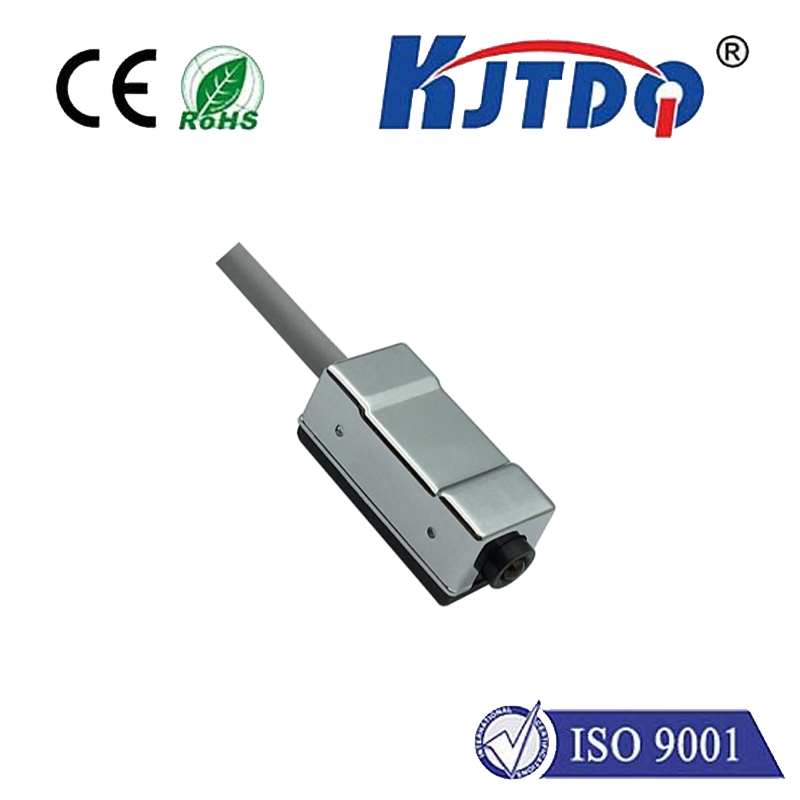
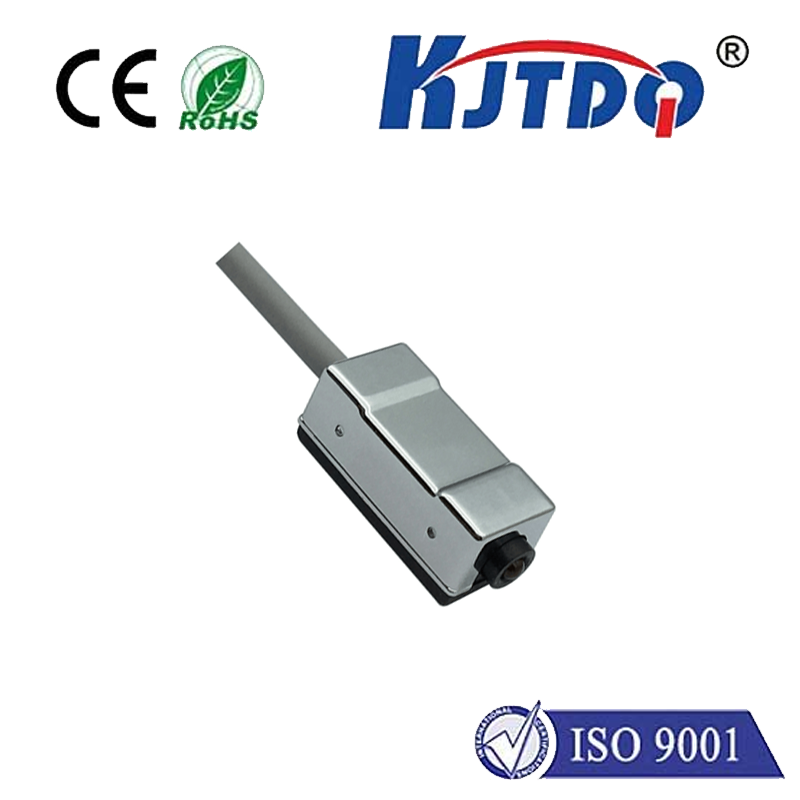
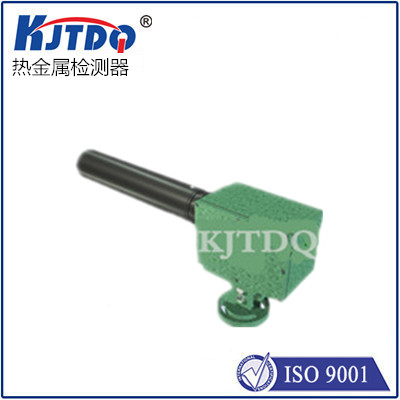
A lift limit switch is essentially an electromechanical sensor strategically installed at the extremes of the elevator hoistway. Its primary function is to cut off power to the drive motor and apply the brake when the elevator car approaches its maximum allowable travel limits. This action brings the car to a controlled stop before it can collide with the overhead structure or the pit floor. Modern systems typically employ a two-tiered approach: a final limit switch that initiates a normal stop sequence slightly before the absolute limit, and an ultimate limit switch that acts as a last-resort safety backup, directly removing power if the first switch fails or the car continues its travel.
The operational principle hinges on precision and reliability. As the elevator car ascends or descends, a cam or actuator attached to the car or counterweight physically engages with the switch lever. This mechanical interaction triggers the switch to change its electrical state, sending a signal to the elevator's control system. The design must account for factors like inertia, wear and tear, and environmental conditions to ensure consistent activation. Regular maintenance and testing are mandatory, as per international safety codes like ASME A17.1/CSA B44, to verify that the switch activates at the correct position and that its contacts are clean and functional.
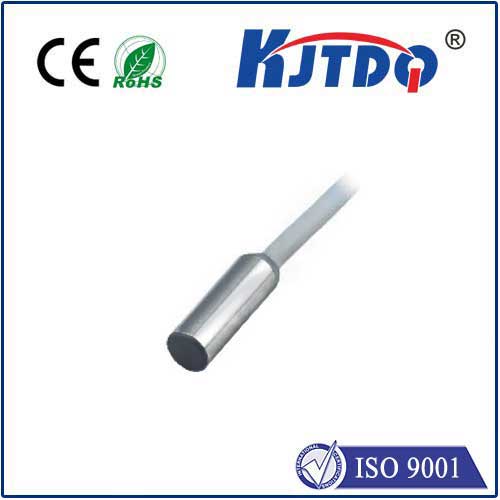
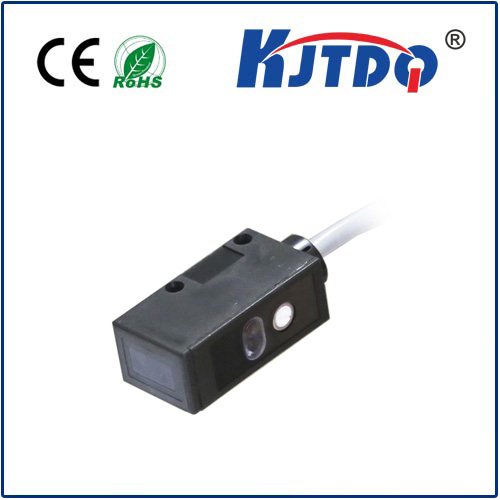
Technological advancements have introduced more sophisticated variants, such as magnetic proximity sensors or rotary encoder-based systems, which offer non-contact operation and higher precision. However, the traditional mechanical limit switch remains widely valued for its simplicity, fail-safe nature, and direct physical actuation, which does not rely on external power to initiate the safety function. Its robustness in various environmental conditions—from the dust of a construction hoist to the humidity of a building shaft—makes it a enduring choice.
The integration of the lift limit switch into the overall safety chain is critical. It is part of a series of interconnected safety devices, including door interlocks, speed governors, and buffers. A failure in one component should not compromise the entire system. Therefore, the limit switch is often wired in a normally closed circuit; a break in this circuit, caused by the switch activating or a wire fault, will immediately halt the elevator. This fail-safe design philosophy ensures that any malfunction leads to a safe state.
For building owners, facility managers, and maintenance technicians, understanding the lift limit switch is crucial for operational integrity. Ignoring its maintenance can lead to costly downtime, regulatory non-compliance, and, most importantly, increased risk. Symptoms of a failing switch can include the elevator occasionally "topping out" or "bottoming out," unexplained stop sequences, or error codes related to travel limits in the control system. Proactive inspection, including checking for proper alignment, mechanical wear on actuators, and electrical continuity, is a small investment that safeguards against major incidents.
In conclusion, the lift limit switch {KJTDQ} is far more than a simple mechanical stop. It is a meticulously engineered safety sentinel, a legally mandated protector, and a cornerstone of trustworthy elevator operation. Its unwavering function provides the essential assurance that every ride between floors begins and ends within a defined, safe zone. As elevator technology evolves with smarter controls and predictive maintenance, the fundamental role of this reliable device in the physical safety chain remains absolutely indispensable, quietly ensuring that vertical travel remains one of the safest modes of transportation daily.